Healthy Aging: From Data to Action
January 15, 2026

How Smart Assessment Drives Healthy Aging ROI
The challenge: In Part 1, we established that healthy aging programs deliver 3:1 ROI. Consumer-driven wellness programs that include digital platforms, coaching, and activity tracking showed 3x returns. Great! Now for the hard part: actually getting people to participate.
You Can't Manage What You Don't Measure
Before you can help people, you need to know what they need. That's where health risk assessment comes in. Modern Health Risk Assessments are smart, adaptive assessments that ask relevant questions based on who's answering.
Here's why this matters: a 57-year-old with prediabetes needs different questions than a 72-year-old recovering from a fall. One needs chronic disease prevention. The other needs functional health and fall risk assessment. Modern platforms use branching logic to serve up the right questions without overwhelming people.
What to Ask the 55-64 Crowd
This group is all about prevention. Focus your questions on chronic disease screening for conditions like diabetes, prediabetes, hypertension, and cardiovascular risk. Dig into lifestyle behaviors including nutrition, exercise, stress, and sleep patterns. Ask about preventive care—when did they last get screened for cancer, checked their cholesterol, had a flu shot? And don't forget medications: what they're taking and whether they're actually taking it. With 40% of this age group having prediabetes or diabetes, catching them early before full-blown disease is where prevention pays off.
What to Ask the 65-Plus Population
Now you're adding functional health to the mix. Ask about daily activities—can they bathe, dress, prepare meals, manage money? Assess fall risk through questions about balance problems, prior falls, and home safety. Understand medication complexity since many are taking five, ten, or even fifteen different meds. Look at social determinants like transportation to appointments, food security, and social isolation. These functional measures predict who's headed for expensive care and who needs help maintaining independence.
Make It Easy to Complete
Different people have different preferences, so offer multiple ways in. Online assessments work great for the 55-64 tech-comfortable crowd. Phone options appeal to many 65-plus members who prefer talking to a real person. Paper versions with large print, simple language, and prepaid envelopes still matter. And wherever possible, use biometric data feeds to auto-populate information from labs and screenings.
Now Get Them Moving
Assessment data stored in a database is of no help. The magic happens when you turn insights into action through programs people actually want to join.
Prevention Programs (55-64): Stop Problems Before They Start
Diabetes prevention programs targeting 5-7% weight loss are evidence-based and proven to delay or prevent Type 2 diabetes. Weight management should focus on sustainable approaches rather than crash diets that fail, including nutrition education, portion control, and realistic goals. Activity challenges with step tracking and device integration should offer beginner, intermediate, and advanced tiers so everyone can play. Stress management through mindfulness, meditation, and relaxation techniques addresses a key driver of chronic disease.
Management Programs (65+): Maintain Independence
Fall prevention delivers that impressive 9.6x ROI from Part 1 through balance exercises, home safety assessments, and medication reviews. Falls are the leading cause of injury in older adults, making this intervention critical. Medication management tools help organize pills, understand side effects, and remember to take them—simple interventions that save lives. Chronic disease support provides skills training for managing diabetes, heart disease, and arthritis day-to-day.
Social connection through group activities, peer support, and community events addresses one of the most overlooked yet dangerous health risks facing older adults: isolation. Loneliness doesn't just affect mental health. It's linked to higher rates of heart disease, stroke, dementia, and immune system decline. When older adults participate in group exercise classes, attend community gatherings, or join peer support groups, they're not just staying busy. They're literally extending their lives. These programs create regular touchpoints that combat the isolation many experience after retirement, losing a spouse, or becoming less mobile.
Make It Worth Their While
Incentives work, and $50-100 for assessment completion significantly boosts participation. Effective approaches include completion rewards with cash value for finishing the assessment and hitting milestones. Activity points let people earn rewards for tracking steps and attending events. Health improvements can be recognized when participants move the needle on A1C or blood pressure. Premium reductions deliver direct financial benefits that matter to this age group. Gift cards offer flexibility that appeals to different motivations.
Platform Features That Make This Work
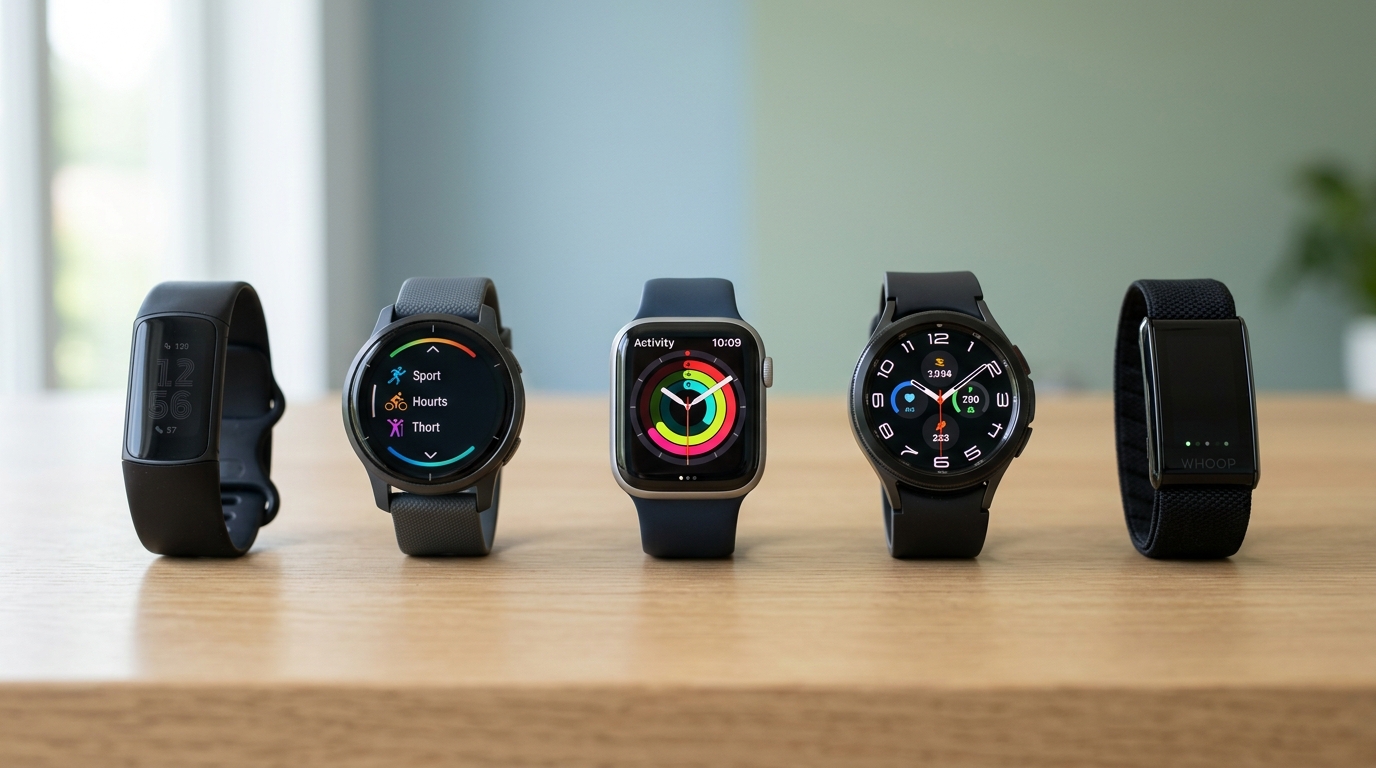
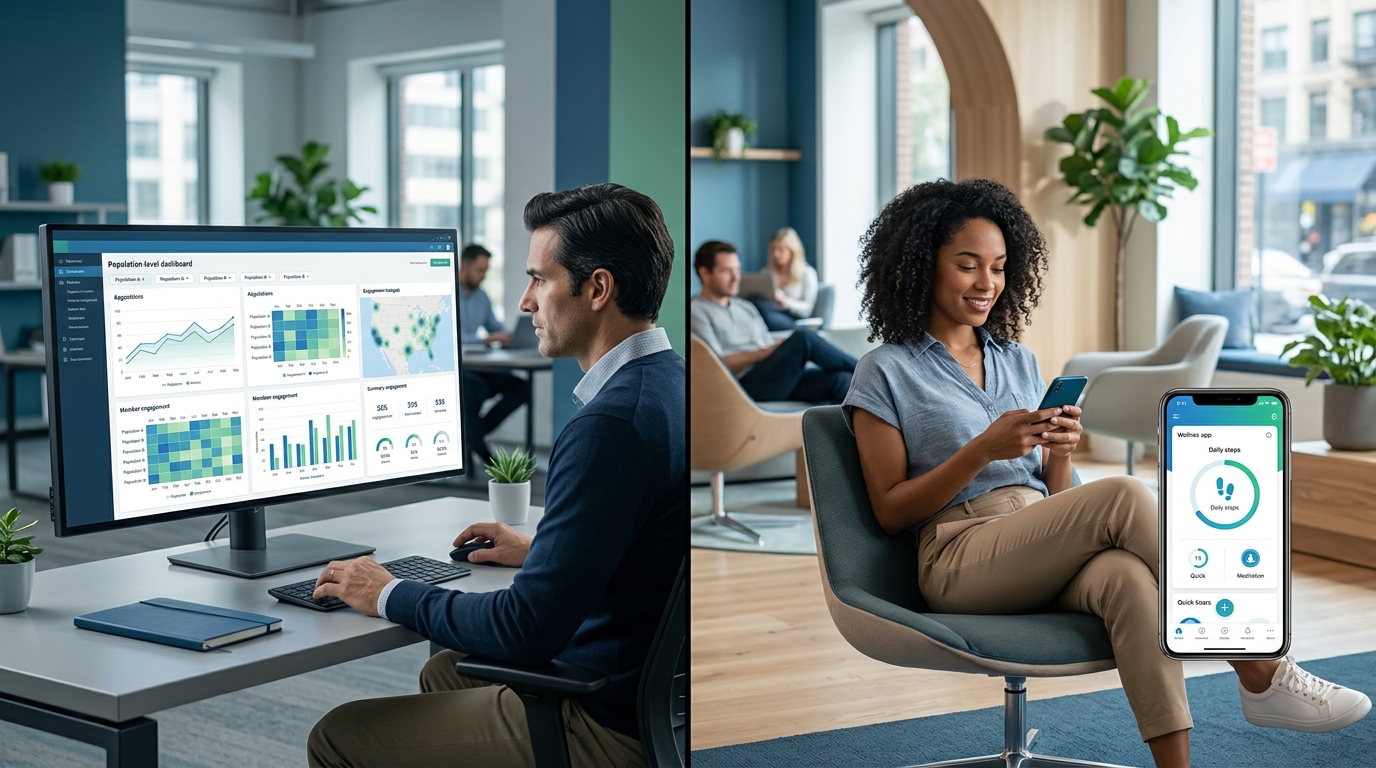
You can't run these programs with spreadsheets and email. You need platform capabilities that automate, personalize, and scale. NCQA-certified assessments provide validated tools that support quality measures and Stars ratings. White-labeled customization ensures your brand reaches your members with personalized experiences. Biometric integration pulls in lab results and screening data automatically. Device connectivity syncs with Fitbit, Apple Watch, Garmin—whatever they're already using. Flexible challenges let you configure team-based, individual, and seasonal programs without developer help. Multi-channel communication reaches people through email, SMS, direct mail, and portal messages—meeting them where they are. Self-service reporting with 55+ reports lets you track what's working without begging IT for help.
Organizations with these capabilities achieve higher assessment completion rates and higher program enrollment. That's not luck—that's infrastructure working.
The Bottom Line
Assessment tells you who needs help. Engagement gets them into programs that work. This isn't rocket science, but it does require the right tools to execute at scale.
Next up in Part 3: How care coordination closes preventive care gaps, addresses social determinants (remember that 3.7x ROI?), and how analytics prove you're getting that 3:1 return over time.