Wellness Platform Trends: What to Expect in 2026
December 4, 2025

The wellness technology landscape is evolving at breakneck speed, and 2026 is shaping up to be a watershed moment. We're watching wellness and healthcare merge into something entirely new—a unified experience that's smarter, more personalized, and infinitely more useful.
This matters for everyone in the equation. Employers get to ditch the old, siloed wellness programs for something that actually drives engagement. Health plan sponsors can intervene early and meaningfully, closing gaps before they become chasms. And employees? They finally get health support that feels less like homework and more like having a knowledgeable friend in their corner.
1. Hyper-Personalized Wellness Journeys
Remember when wellness programs treated everyone the same? Yeah, those days are done.
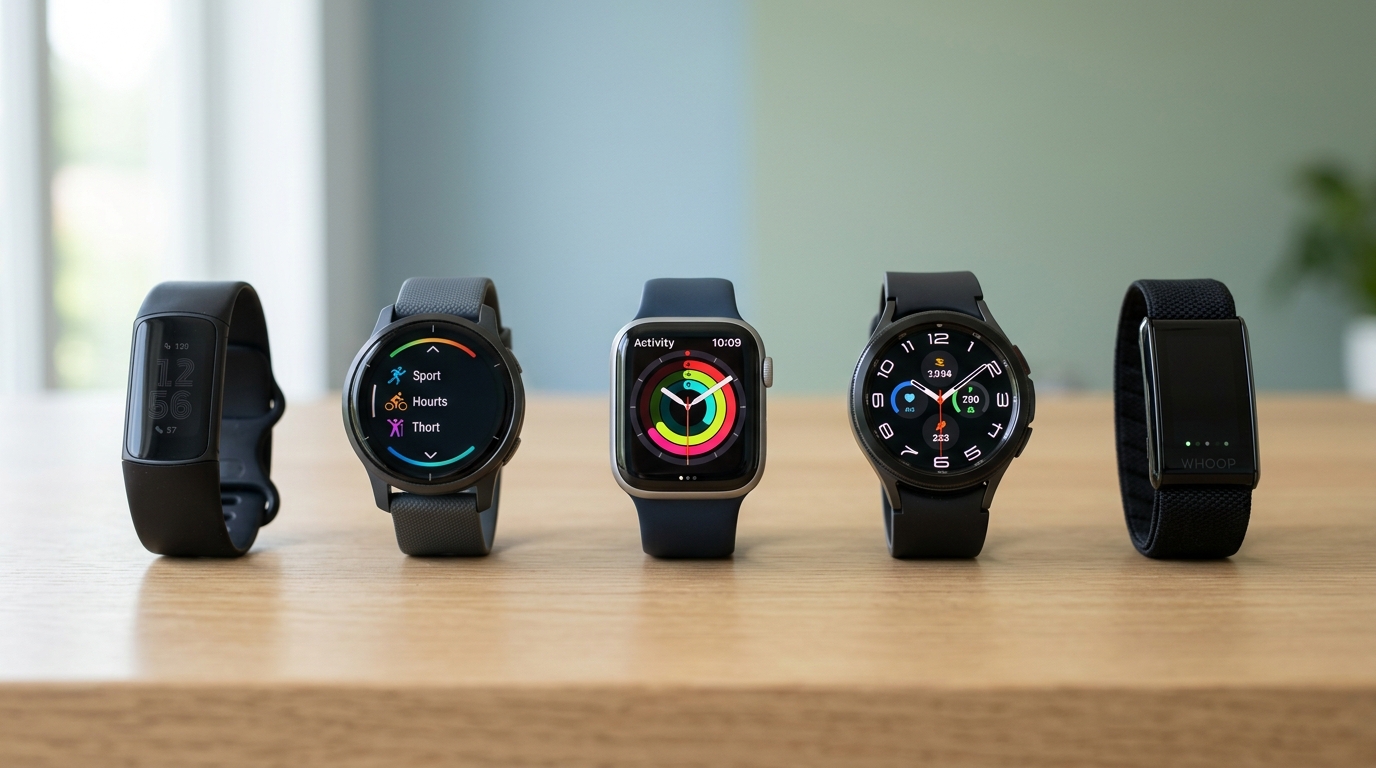
Wearables and digital tracking have blown the doors wide open. Today's employees expect their wellness experience to be as tailored, and the technology is finally catching up to that expectation.
AI and predictive analytics are the secret sauce here, turning raw data into actionable insights. Dynamic care plans now adjust in real time based on your claims data, what your smartwatch is telling you, and where you might have gaps in care. It's like having a wellness strategy that learns and grows with you.
We're moving from the old "get your annual checkup and hope for the best" model to continuous health optimization. That means catching issues early, preventing problems before they start, and managing chronic conditions with precision. Your wellness platform becomes an active partner, not just a passive resource sitting there waiting for you to remember to use it.
2. Wellness Platforms as the New "Front Door" to Healthcare
Here's a fundamental shift: wellness platforms aren't side projects anymore—they're becoming the main entrance to your entire health experience.
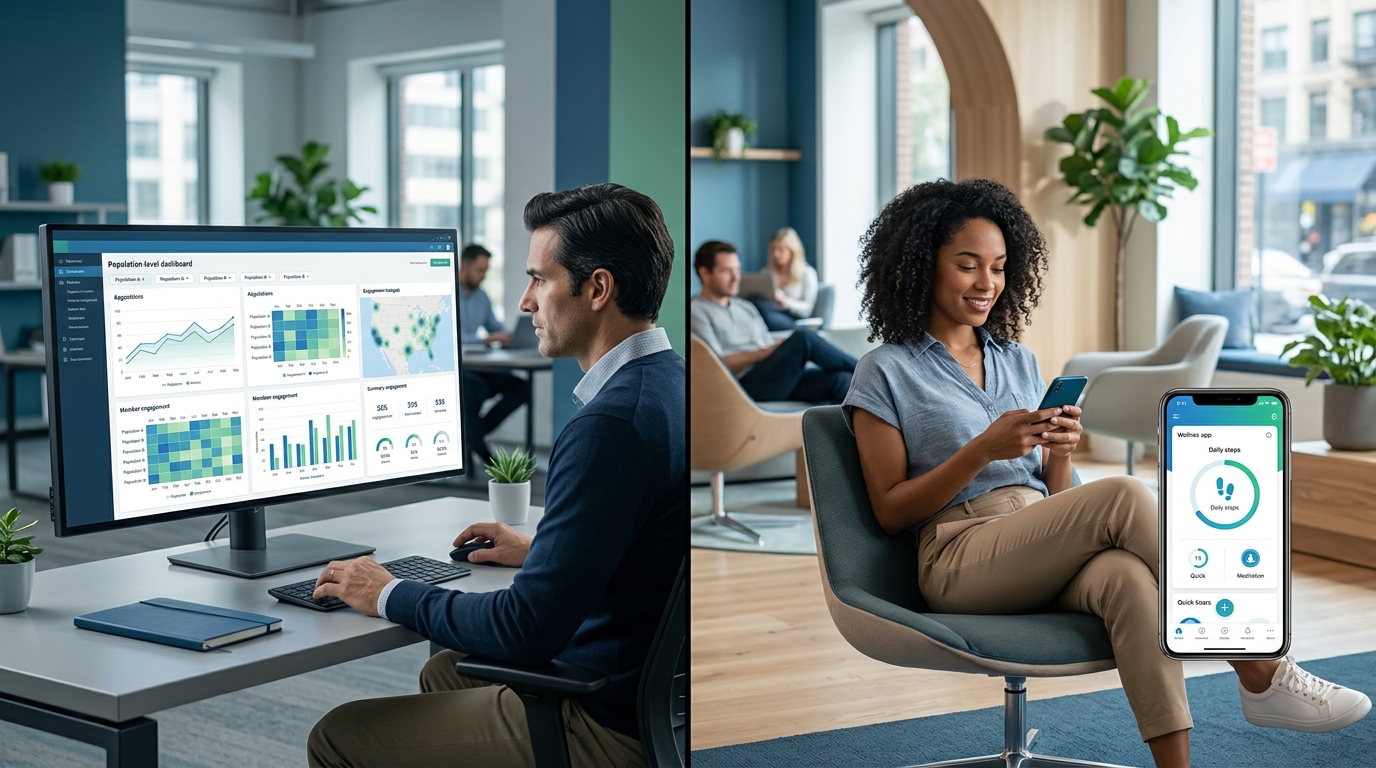
Modern platforms now seamlessly blend population health management and care navigation into one place. Instead of bouncing between five different portals trying to find what you need, there's one gateway for everything: preventive programs, care coordination, health education, the works.
The reward? Employees actually use it because it's simple. Employers see engagement rates rise. Health plans get the data insights they've been looking for. When wellness becomes the front door, people don't just look in—they actually step inside.
3. Building Trust: The Foundation of Engagement
As wellness platforms take on this bigger role, trust becomes everything. Organizations are navigating a maze of HIPAA requirements, GDPR regulations, and a constantly evolving privacy landscape. But beyond just checking compliance boxes, the best platforms maintain fortress-level security while being completely transparent about what they're doing with your data.
Clinical validation is what separates the real deal from the snake oil. Look for platforms with evidence-based programs, measurement tools that actually measure what they claim to, and outcomes reporting that doesn't hide behind vague promises.
Bottom line: when your platform is someone's first health touchpoint, they need to trust it completely.
4. Interoperability & Integration with Population Health and Care Management
The days of wellness platforms living on their own island are over. The winners in 2026 will be the ones that play well with others.
Seamless integration with care management systems and EMRs unlocks capabilities that used to be pipe dreams. Real-time care coordination actually happens. Population health analytics get smarter. HEDIS reporting becomes less painful. Gaps in care are closed systematically rather than randomly.
This also means fewer administrative headaches and a complete picture of member health instead of disconnected puzzle pieces.
Integration isn't just a nice-to-have anymore. It's rapidly becoming the thing that separates platforms that deliver from platforms that talk a good game.
5. Regulatory Compliance and Accessibility
Compliance isn't just about data privacy—it's about making sure everyone can use what you've built.
ADA and WCAG standards aren't bureaucratic red tape; they're your roadmap to reaching every single person in your population. The best platforms bake inclusivity into their DNA: screen readers work flawlessly, keyboard navigation is smooth, color contrast contrasts, and images have proper alt text.
They're also staying ahead of evolving regulations around data privacy, reporting requirements, and health equity. The key is building this into your foundation from the start.
6. Longevity and Healthy Aging
Here's a demographic reality: the 50+ crowd is growing fast, both in the workforce and on health plans. And they deserve more than generic "eat your vegetables" advice.
Biomarker tracking lets us catch age-related issues before they become problems. Targeted programs address the real concerns: maintaining mobility and strength so you can keep doing what you love, protecting cognitive health, and preventing chronic diseases that don't have to be inevitable.
This isn't just feel-good stuff—it's strategic. Healthy aging means better quality of life, lower healthcare costs, and keeping experienced, valuable people engaged and productive. Everyone wins.
7. Weight Health 2.0: Beyond the GLP-1 Hype
Yes, GLP-1 medications are making headlines. Yes, they work for some people. But sustainable weight health? That requires the full toolkit.
The most effective approaches weave together behavioral health support, nutrition counseling, and lifestyle medicine. They tackle the whole picture: metabolic health, cardiovascular risk, mental health and body image, sleep quality, and overall well-being.
Platforms that offer truly integrated weight health programs—clinical support, behavioral coaching, nutrition guidance, plus community—are the ones getting real, lasting results. Not just dramatic before-and-after photos, but sustainable lifestyle changes that stick.
8. Mental Health and Holistic Wellbeing
Mental health has finally taken its rightful place at the center of wellness conversations. About time, right?
Bereavement and grief support fills a gap that's been ignored for too long. Life throws curveballs—loss, major transitions, upheaval—and having support during those times isn't just nice, it's necessary.
Mindfulness and stress management programs have evolved way beyond "just meditate for 10 minutes." Today's programs offer evidence-based interventions designed to address the stress of modern work life, helping people build real resilience.
Tackling loneliness through technology-enabled community building creates genuine connection, even when teams are scattered across time zones. Virtual groups, peer support networks, and social challenges tools combat isolation in meaningful ways.
Digital detox and sleep hygiene programs push back against the tyranny of the always-on work culture. They acknowledge a simple truth: recovery isn't optional. Rest and disconnection are essential fuel for sustained performance and health.
9. Functional Nutrition and Personalized Nutrition Journeys
Generic food pyramids and one-size-fits-all meal plans are going the way of the dinosaur. Individualized nutrition plans now consider your unique metabolic profile, specific health conditions, and what you actually like to eat and what fits your lifestyle.
Continuous glucose monitors provide real-time feedback on how your body responds to different foods. "Food as medicine" approaches recognize that what you eat can be as powerful as what you take.
When nutrition advice aligns with your individual biology and real life, people follow it. Compliance improves. Outcomes improve.
10. Women's Health and Hormonal Balance
Employers and health plans are finally recognizing the business benefits of investing in women's health. Comprehensive lifecycle support covers menstrual health, fertility and family planning, pregnancy and postpartum care, and perimenopause and menopause. These aren't niche concerns—they affect half the population and have massive impacts on productivity and retention.
When women don't have adequate support for hormonal health issues, fertility challenges, or menopausal symptoms, they're more likely to reduce hours, leave the workforce, or disengage. The flip side? Proper support keeps talented employees engaged and prevents serious health conditions down the road.
It's good for people, good for business, and good for long-term health outcomes.
The Integrated Future
These trends aren't happening in isolation—they're weaving together into holistic wellness ecosystems that completely reimagine health engagement.
When you're evaluating wellness platforms, here's what matters: genuine personalization, front-door functionality that works, clinical rigor you can trust, integration that goes beyond marketing promises, real commitment to compliance and accessibility, and comprehensive wellbeing support that covers the full spectrum.
The future isn't about feature wars and bullet-point comparisons. It's about creating integrated experiences that meet people where they are, adapt as they change, and support them throughout the entire journey.
At PDHI, we're not just watching these trends unfold—we're actively building them into our platform. We're committed to delivering the comprehensive, personalized, clinically rigorous wellness experience that today's employees and plan members deserve.
Let's Talk About Your Wellness Strategy
These trends represent real opportunities to transform how your organization approaches health and wellbeing.
Ready to explore what's possible? Let's talk about how PDHI can support your wellness and population health objectives in 2026 and beyond.