Why is health education important? All you need to know

Why is health education important? Many organizations are asking this.
Health education is much more than just an extra benefit or something to check off in a wellness program.
It is one of the best ways to lower healthcare costs, help people do better in school and at work, and address ongoing gaps in clinical care.
When people understand their own health, including the risks they face, the steps they can take, and why those steps matter, they make better choices, get care sooner, and use available resources more optimally.
What is health education?
Health education means giving people and communities clear, useful health information that helps them make well-informed decisions and build lasting healthy habits.
However, it’s more than just sharing facts.
Good health education meets people at their level, relates information to their own lives, and supplies practical steps they can take.
In clinics or wellness programs, health education can look different depending on the need.
It might include personalized lessons based on health assessments, reminders for preventive care, guides for handling chronic conditions, financial wellness tips, or advice on nutrition and sleep.
The goal is not to lecture, but to give people the tools they need.
Health education matters for everyone, from individuals to organizations and whole healthcare systems.
To see how this fits into bigger prevention efforts, PDHI's article on how wellness programs support the 3 stages of prevention is a helpful resource.
Why is health education important?
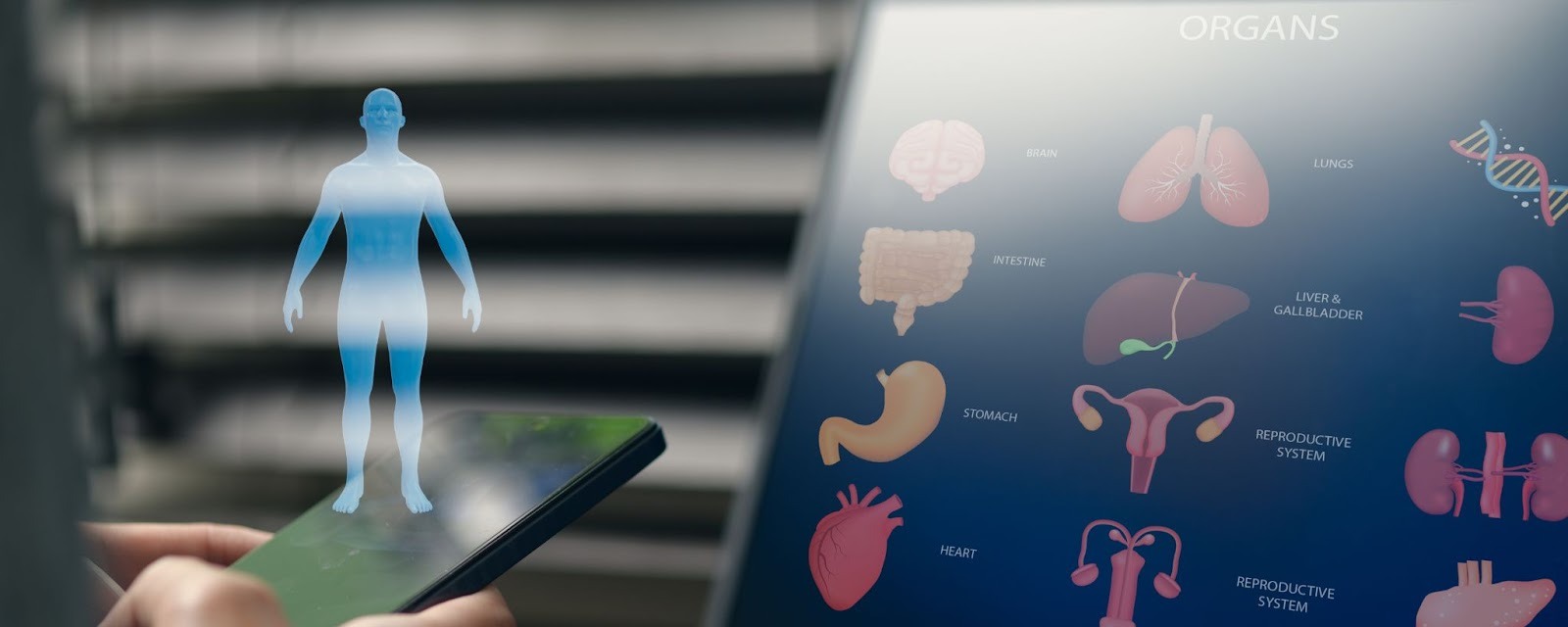
Health education is important because it reaches a broad audience.
It’s designed to educate end users or members, helping individuals understand risks like high blood pressure and make better health decisions, rather than serving system-wide or employee education purposes.
Research about health education shows that informed individuals make healthier choices, use healthcare resources more optimally, and achieve better long-term outcomes.
Health education is especially important in the workplace and in population health.
Benefits of health education
Health education offers important benefits to everyone involved in healthcare.
For individuals, health education helps them understand their health information, notice warning signs, take steps to prevent illness, and feel more confident using the healthcare system.
For example, PDHI's comprehensive guide, 8 dimensions of well-being, is a helpful resource for seeing how education affects all parts of health, including physical, emotional, financial, and work-related areas.
For employers, companies that include health education in their wellness programs often see lower healthcare costs, fewer absences, and more engaged employees.
For health plans, health education helps close care gaps, improve guideline compliance, meet NCQA and CMS quality standards, and increase member satisfaction.
Sharing educational content based on health assessment results and getting it to the right member at the right time is one of the most effective ways to improve outcomes for large groups.
Role of health education in public health
Health and education are fundamental parts of every public system worldwide, as the purpose of health education is to have a healthy population.
So, public health systems depend on people who understand topics like vaccination, preventive screening, chronic disease management, and the community factors that affect health.
This is especially important in underserved communities, where people often have less health knowledge, and the effects of poor decisions can be more serious.
One great example of health education is biometric screenings.
Test results, combined with personal guidance, help people understand their health and the next steps.
Strategies for implementing health education
Health education requires planning, a clear strategy, and effective ways to reach people.
Here’s how it can be done.
1. Personalization works better than generic content.
The best health education uses each person’s health data.
When someone finishes a health risk assessment and gets information that matches their results, like tips for their own risk factors or advice on next steps, they are much more likely to pay attention and take action.
2. Use many ways to deliver information.
Health education should reach people where they already spend time.
This could be through web portals, mobile apps, email, text messages, or even print and phone calls for those who are less connected online.
4. Connect health education to the rest of your wellness program.
It works best when it fits with things like incentive programs, health coaching, and action plans. This creates a smooth experience that helps people learn and stay motivated.
Our guide on building a sustainable wellness program explains how to make health education a regular part of your program, not just a one-time thing.
5. Focus on results and keep improving.
Organizations need to track how people use educational content and see what behaviors change.
Use this information to make your materials better. If no one reads or uses your health education, it is just background noise.
Challenges to health education
Health education is valuable, but organizations still face ongoing challenges when putting it into practice:
1. Health literacy gaps are a major issue.
Many people have trouble understanding basic health information, following medical advice, or finding their way through the healthcare system.
If content is too technical, complicated, or hard to read, it will miss those who need it most.
To be effective, health education should use simple language, helpful visuals, and clear steps for action.
2. Engagement barriers are another challenge.
Even with good content, it can be hard to get people to pay attention.
People are busy, may not trust health organizations, or feel overwhelmed by too much information.
Using incentives, reminders, and personal messages can help get their attention and promote action.
3. Access and equity are also important.
Some groups do not have the same access to digital health tools, reliable internet, or enough time to use health education resources. If programs ignore these differences, they will miss helping the people who need support the most.
4. Administrative burden is a real problem.
When organizations try to manage health education for many people, it is almost impossible to track who needs what, when to send it, and how to follow up.
Without automation, these efforts can quickly become disorganized and hard to keep going.
How to start closing the gaps after health education
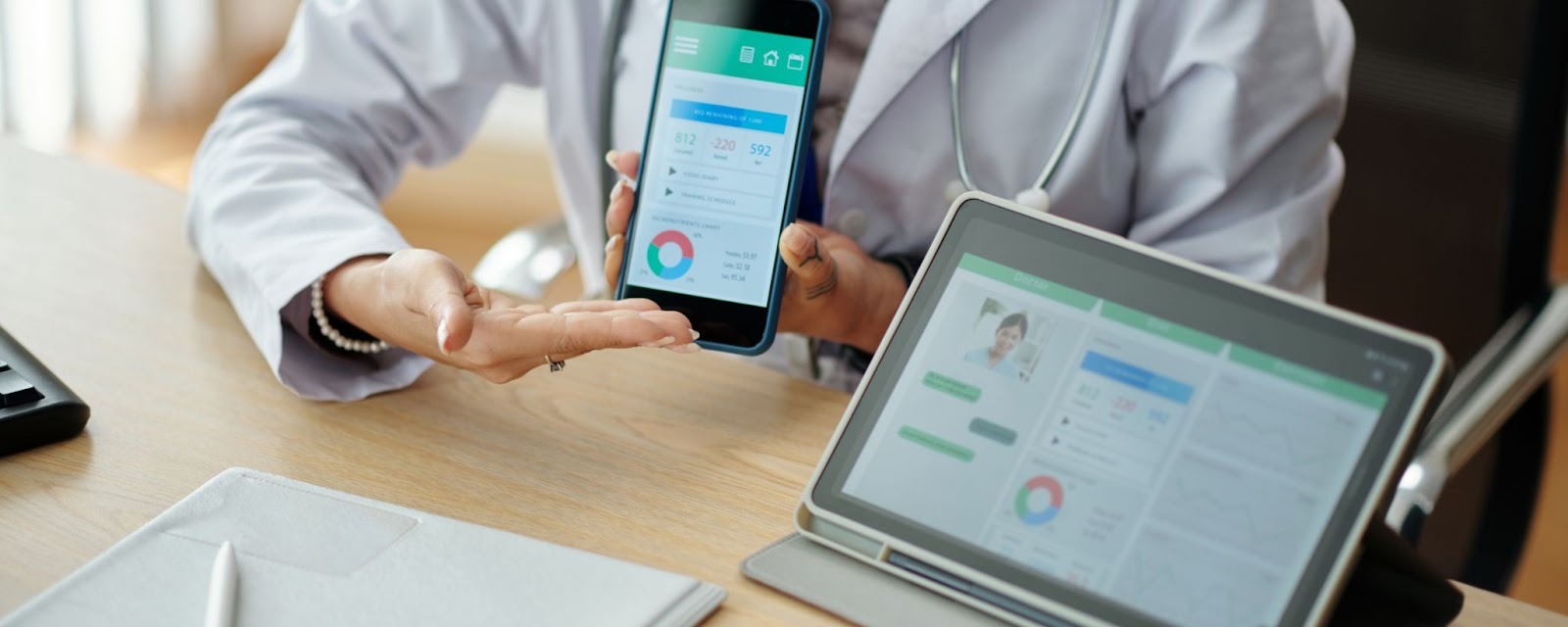
Health education helps people become more aware, but awareness by itself does not close care gaps or lead to better results.
Here are some ways organizations can close that gap.
1. Use digital health assessments to find missing screenings and share timely, relevant information.
A health risk assessment gives a full view of a person’s health, risk factors, and care history.
When this data is used to quickly find missing screenings and send personalized educational content, people get the right information at the right time, not weeks later when it is less useful.
PDHI's Managed Health Assessments solution is designed for this purpose.
It makes it easier to collect, analyze, and use health assessment data so organizations can act quickly and close care gaps for different groups of people.
2. Use integrated education to help health plans make sure their members get the care they need.
For health plans, health education is a tool to improve quality.
When educational content is built into a member’s benefits portal, triggered by clinical data, and meets NCQA and CMS requirements, it turns passive information into an active way to close care gaps.
3. Link a person’s health data to personalized educational modules so they have a clear plan for their wellness.
When health education is connected to a person’s real health data, like their test results, assessment answers, condition history, and wellness goals, it becomes a personal roadmap instead of just generic information.
PDHI's Action Plans module offers clinically based, NCQA-certified self-management modules with step-by-step guidance.
These are automatically recommended based on a participant’s health assessment answers.
When used with the Personal Health Record, which brings together self-reported, clinical, and third-party health data into one portable record, people have everything they need to understand their health and take action.
In Summary
So, why is health education important?
Health education means giving people clear and useful information about health, so they can make good decisions and build healthy habits that last.
The relevance of health education is that when people are well-informed, they tend to make better choices, use healthcare wisely, and enjoy better health over time.
For this goal, PDHI can help.
PDHI is an online white-label health platform that helps employers and wellness providers create, manage, and grow workplace wellness programs using centralized data and automated processes.