Data-driven healthcare insights: Full Guide

Organizations that want to stay competitive in population health now need to use data-driven healthcare insights.
Health plans, wellness vendors, and employers who collect the right member information and know how to use it can shift from reactive to proactive.
This helps them spot risks sooner, tailor interventions, and achieve real improvements for the people they serve.
Tools like PDHI's Managed Health Assessments show that when organizations use reliable, structured data collection methods and evidence-based question sets, their assessments become much more effective.
They are no longer just for compliance, but help drive real decisions.
What are data-driven healthcare insights?
Data-driven healthcare insights are conclusions and decisions based on carefully collected, analyzed, and interpreted health data, not on assumptions, stories, or gut feelings.
In health plans or wellness programs, this involves using member-level information such as health risk assessments, biometric results, claims data, and engagement patterns to understand what people need, predict risks, and create targeted solutions.
However, moving to data-driven models is a big change.
In the past, healthcare programs usually collected data once a year, made a report, and then looked at it again the next year. With data-driven insights, this process becomes ongoing.
Health data becomes a resource that program managers and clinical leaders can use every day to make decisions.
The importance of data collection in healthcare
Before you can gain insights, you need to collect quality data.
Collecting data is very important in healthcare because it supports every decision. If the data is not reliable, complete, and accurate, even the best analysis tools can produce wrong results.
Reliable data collection matters because it:
- Reveals early warning signs before conditions escalate into costly interventions
- Surfaces demographic and geographic disparities within a population
- Supports regulatory compliance requirements such as HEDIS, NCQA, and CMS reporting
- Provides the evidence base for program investment decisions and ROI calculations
- Enables longitudinal tracking so that changes in population health can be monitored over time
When organizations do not put enough effort into good data collection, they make every decision that comes after less reliable.

How to use data collection in healthcare
To collect healthcare data effectively, organizations should avoid using a single digital strategy for everyone, as this can leave out people with limited access to technology.
Using several different methods helps include more people and improves clinical accuracy.
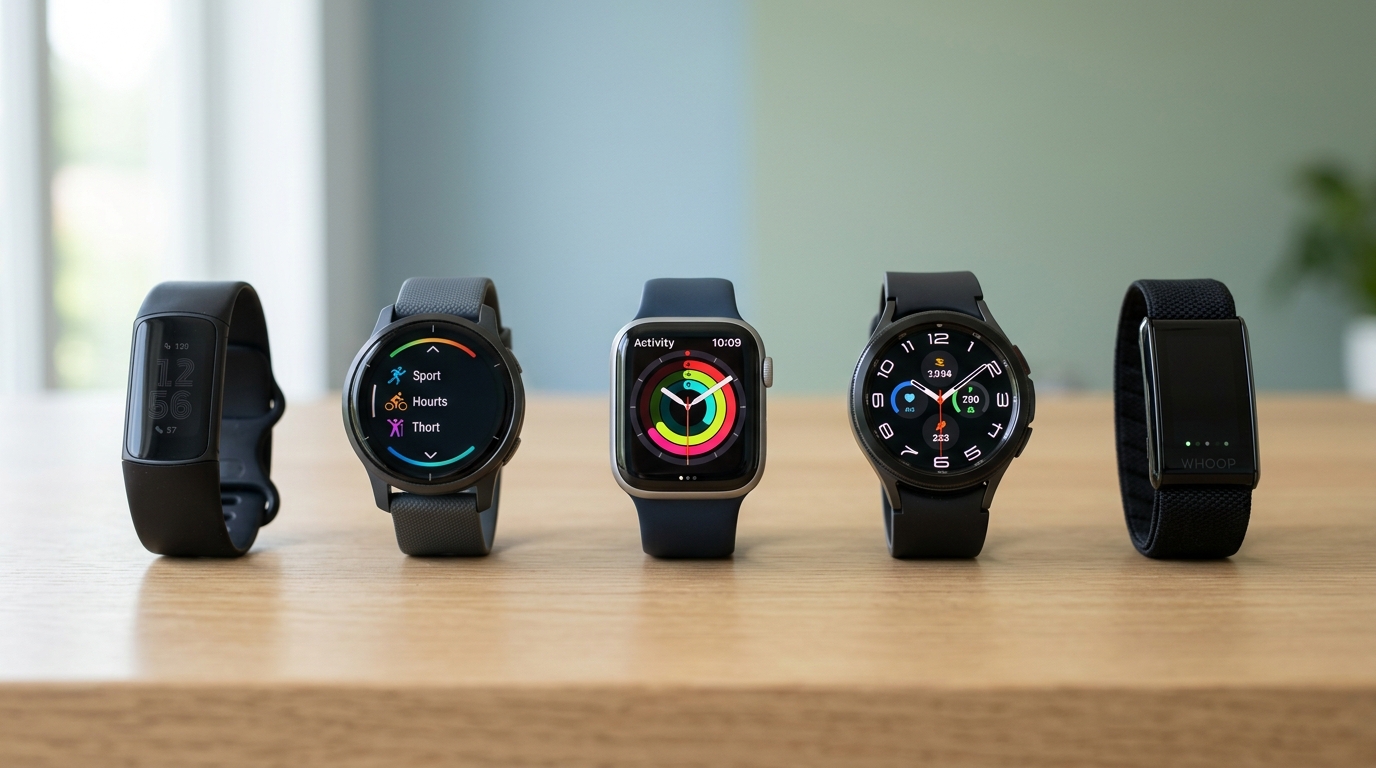
- Self-service and wearables use digital assessments and device syncing, which work well for people who are comfortable with technology or lead active lives.
- High-touch outreach includes phone interviews and paper forms to help people on Medicare, those who are dual eligible, and others with limited internet access.
- In population health programs, data usually comes from different places like Health Risk Assessments (HRAs), health checkups and insurance claims.
How to take data-driven decisions in healthcare
Collecting data is just the first step. Turning that information into useful decisions in healthcare takes the right tools and a practical approach, so:
1. Define the question: What are you trying to improve? The answer will guide which data matters most.
2. Gather structured data: Use validated tools such as standardized health assessments, certified question sets, and interoperable platforms.
3. Analyze at the population level: Look for patterns, such as which demographic groups have the highest risk scores, where engagement rates are lowest, or which business lines have the biggest care gaps.
4. Segment and stratify: Not every member needs the same support. Risk stratification helps you find high-need groups and match them with the right programs, such as care management, health coaching, targeted outreach, or incentive campaigns.
5. Act and personalize: Offer tailored support based on each member’s profile. Predictive analytics is especially helpful here, as it can forecast who might need help before a health event happens.
6. Monitor and adjust: Data-driven decisions are ongoing. Real-time dashboards and reports help you see if your interventions are working and make quick changes when needed.
How certified collection improves trust in the data
An important but often ignored part of data-driven healthcare is how dependable and trustworthy the tool used to collect data is.
Health assessment tools can vary widely in quality.
Certified question sets, checked using strict evidence-based rules, provide data that is more reliable, trustworthy, and helpful for both medical and planning decisions.
PDHI's Managed Health Assessments use question sets approved by NCQA.
This means the assessment content meets the National Committee for Quality Assurance's standards for wellness and health promotion.
NCQA-approved tools are based on proven clinical research, so the data they produce can be trusted to guide care decisions.
Which channel collection helps create more complete healthcare insights
The way you collect data directly affects the quality of your insights.
When programs reach more people and have high completion rates, the data reflects the whole population, not just those who use a digital portal.
PDHI reaches people for health assessments in different ways, such as digital, phone, and paper. This approach helps gather more complete data.
This is especially important for Medicare and Dual Eligible groups, since digital-only methods often miss older adults, people less comfortable with technology, or those living in areas with poor internet access.
Turning healthcare risk assessment insights into action
Gathering health assessment data is just the first step.
The real value comes from how organizations use that data once they have it.
PDHI’s Health Assessment Insights dashboard is a good example of this change.
The platform provides program administrators, wellness managers, and leaders with a single, real-time view of health assessment participation and results.
They can easily see who has completed, started, or not yet begun their assessment.
PDHI’s platform can also launch action plans and self-management resources that are tailored to each member’s specific needs.
Members who are identified as high-need through their assessment data can be automatically flagged for health coaching outreach.
Incentive programs can also be set up so members earn rewards not only for completing their assessment, but for taking specific follow-up actions based on their results.
This helps connect data collection to real behavior change.
Final thoughts
PDHI’s research shows that leading health plans use predictive, data-driven insights to create personalized member experiences.
When organizations invest in careful data collection using certified tools, multi-channel strategies, and interoperable platforms, they create rich, reliable information that helps them make better decisions at every level, from clinical strategy to member engagement.
PDHI's modular platform is designed for this purpose and offers ready-to-use solutions.
To get started, you can request a demo.