Health and Wellness Incentives for Employees: Full Guide (2026)
.jpg)
Health and wellness incentives for employees have become one of the most reliable levers organizations can pull to boost engagement, close care gaps, and reduce long-term healthcare costs.
By 2026, offering these incentives is not just a nice extra. It is a key strategy for employers and health plans that want to stay competitive, manage risk, and support a healthy workforce.
What Are Health and Wellness Incentives for Employees?
Health and wellness incentives are rewards, benefits, or recognition programs that encourage employees to take specific health actions, like completing a health risk assessment (HRA), attending a biometric screening, reaching a step goal, or working with a health coach.
These incentives can be part of a larger wellness platform or run as separate programs. The most effective ones are closely connected to the tools employees already use every day.
PDHI's Incentives Management module is built specifically for this: it automates the entire reward lifecycle, from tracking qualifying activities to issuing real-time rewards, without the manual overhead that typically derails in-house programs.
Why Employee Wellness Incentives Work
Research in population health shows that good incentives help people move from just being aware to actually taking part. However, the long-term benefits go beyond just engagement numbers.
Unmanaged chronic conditions —type 2 diabetes, hypertension, elevated cholesterol— are among the leading drivers of employer healthcare spending.
These conditions develop slowly over years, often without obvious signs, and eventually lead to expensive claims, hospital stays, and long absences.
Wellness incentives help by giving employees regular opportunities to catch these risks early through screenings, assessments, and coaching.
Types of Health and Wellness Incentives for Employees

Not all incentives are created the same way or serve the same purpose.
Knowing the main types of incentives helps program administrators create plans that fit their workforce, budget, and compliance needs.
Participation-Based Incentives
These incentives reward employees just for completing a specific activity, such as finishing an HRA, attending a biometric screening, joining a wellness challenge, or booking a coaching session.
PDHI's Challenges and Events module supports this type of incentive with flexible activity libraries and real-time tracking. It also includes team-based challenges that bring healthy competition and social support into the program.
Outcome-Based Incentives
Outcome-based incentives connect rewards to measurable health results, such as reaching a target BMI range, meeting a blood pressure goal, or achieving a specific cholesterol level.
These programs can lead to real health improvements if designed well, but they are much more complex to manage under HIPAA and the ADA.
Activity-Based Incentives
Activity-based incentives reward employees for keeping up healthy habits, not just for one-time completions or reaching specific goals.
Steps logged, workouts completed, health education modules finished, or consistent use of a self-management tool all qualify.
PDHI's Activity Tracking with device integration, daily logging, and clear views of individual progress. This helps employees feel a sense of momentum and stay engaged between major program milestones.
Financial Incentives
HSA and Health Reimbursement Account (HRA), premium discounts, gift cards, merchandise, and cash rewards are the most popular types of incentives across industries.
Non-Financial Incentives
Paid time off, recognition programs, flexible schedules, and wellness days are becoming more important, especially for younger employees who value work-life balance and company culture.
Sustaining Long-Term Incentive Engagement
A common mistake in wellness program design is treating the incentive structure as something you set up once and never change.
Programs that start with a fixed set of activities and rewards in the first year often see participation drop sharply in the second year.
In the first year, focus on key activities like HRA completion, biometric screening, and preventive care visits, and make sure the rewards are meaningful.
Each year, review and update the list of activities and reward levels based on what is working best.
12 Proven Employee Wellness Incentive Ideas for 2026
These types of incentives work well for both employers and health plans. You can set up each one in your wellness platform to match your team, goals, and budget.
1. Preventive Care Milestone Rewards
Offer rewards for annual wellness visits, cancer screenings, and immunizations. These activities help meet HEDIS quality measures and lower the chances of late-stage disease diagnoses.
2. HRA Completion Incentives
A health risk assessment is the key data-gathering step for any wellness program. Offering a reward for completing it boosts participation and gives you insights to better target your efforts.
PDHI's Health Assessments module supports flexible HRA setups for commercial, Medicare, and Medicaid groups.
3. Biometric Screening Rewards
When employees complete an annual biometric screening, such as blood pressure, cholesterol, glucose, or BMI, they get a real-time view of their health.
Program administrators also receive clinical data to spot high-risk individuals for early support. PDHI's Biometrics Manager makes the screening process easier, from checking eligibility to delivering results.

4. Points-Based Wellness Dashboards
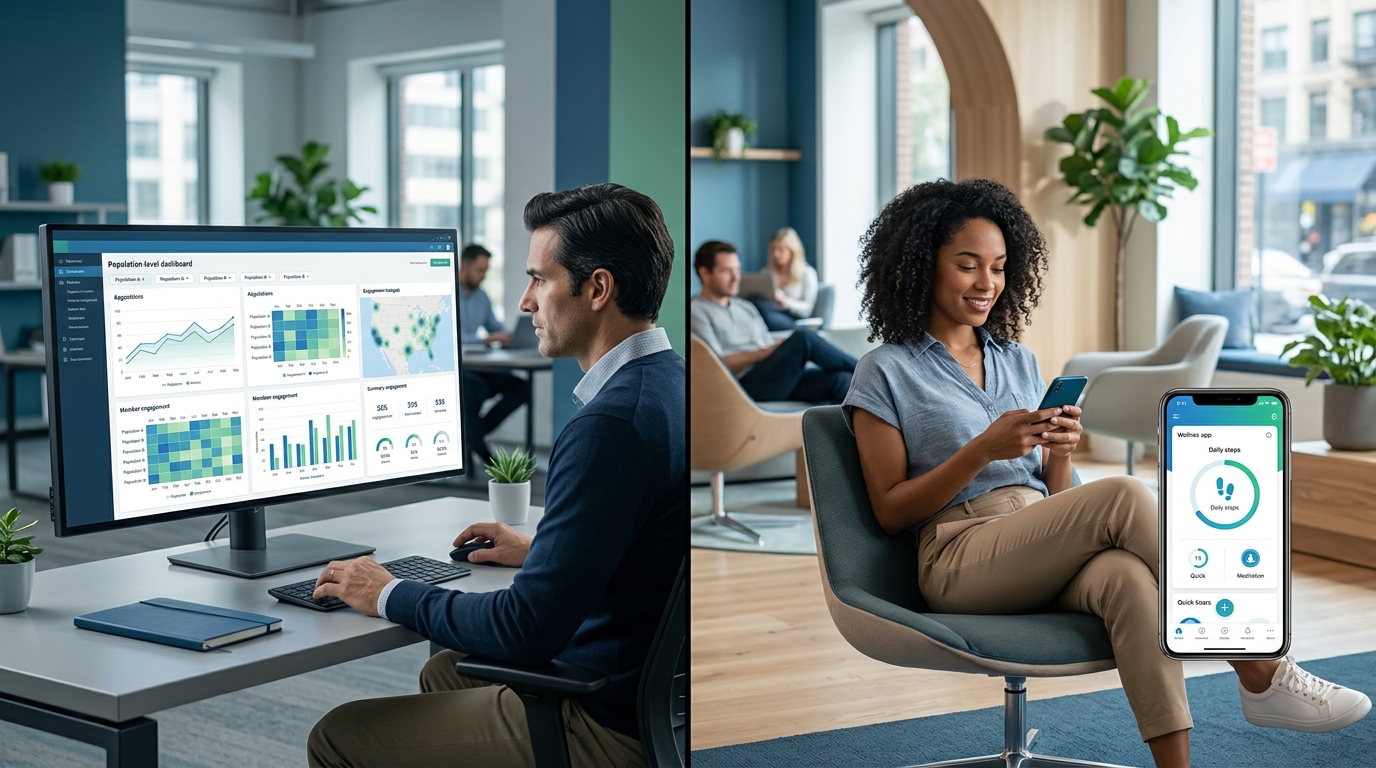
Points systems let employees track their wellness activities and see how they earn rewards. PDHI's Wellness Dashboard shows points, progress, and available activities in one place, so employees always know where they stand in the program.
5. Health Coaching Completion Rewards
Health coaching is a powerful way to prevent chronic disease and support behavior change. Offering rewards for completing coaching sessions helps employees stay engaged with their coach, not just after the first meeting.
PDHI's Health Coaching software lets coaches see member progress and support action plans over time.
6. Step and Activity Challenges
Daily step goals and activity challenges are easy ways to get started because they only require regular movement, not clinical measurements. These are great entry points for employees who haven't joined other parts of the program yet.
7. Team-Based Wellness Competitions
Team challenges make health goals more social. Competing as a group encourages peer support and friendly competition, which often leads to higher participation than individual rewards alone.
8. Mental Health Program Participation Rewards
Encouraging employees to use mental health resources like EAP sessions, stress management modules, or resilience programs shows your organization cares about overall wellness. It also helps reduce the stigma that may stop employees from seeking support.
9. Nutrition and Lifestyle Goal Tracking
Offering rewards for progress on nutrition goals, weight management, or healthy eating habits supports employees who want to lower their risk for metabolic conditions, which are among the most expensive health issues for employers.
10. Device Integration and Wearable Activity Rewards
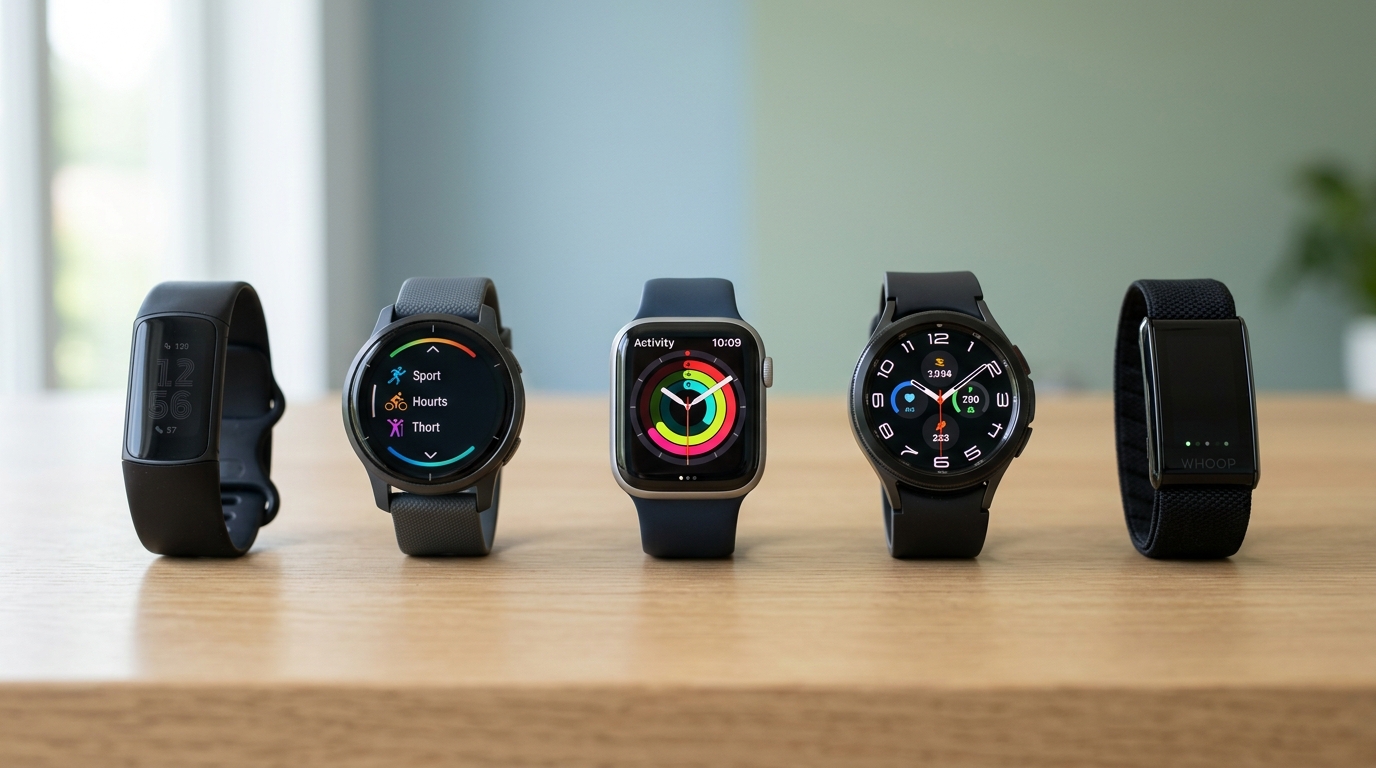
Linking wearables and fitness apps to your wellness platform makes it easy to track activities and offer ongoing rewards. PDHI's Device Integrations module works with popular devices and fitness platforms, so submitting data is simple.
11. Health Education Module Completion: Rewarding employees for finishing
Digital health education modules on topics like nutrition, sleep, diabetes prevention, or heart health help employees learn and make healthy changes between live sessions.
PDHI's Health Education module provides targeted content based on each person's risk profile.
12. Action Plan Milestone Rewards
Action plans turn HRA results into a personalized guide for healthy habits. Rewarding progress on these plans connects assessment data to real behavior change, making it one of the most effective incentive structures.
PDHI's Action Plans module helps manage these personalized paths for many employees at once.
How to Design a Wellness Incentive Program That Actually Works
Here's what you need to know.
Start With a Health Assessment
A strong wellness incentive program begins with data.
Employers need to understand their employees' health before choosing which activities to reward or which risks to address.
The health risk assessment provides a starting point when it collects information on physical health, lifestyle habits, mental health, and social factors that affect well-being.
Integrate Incentives With Your Broader Wellness Ecosystem
Incentives are most effective when they are part of a bigger wellness system.
The best programs link assessments, screenings, coaching, education, and activity tracking into one smooth experience.
To make this work, you need a platform that tracks activity across all areas, applies rewards automatically, and gives administrators real-time insight into what is working and what needs improvement.
PDHI's Wellness Platform is built for this.
It brings HRAs, biometric data, coaching tools, incentive management, and reporting into one central system. This setup removes the complexity of using multiple vendors, which can weaken wellness programs.
In Summary
Health and wellness incentives are a great way to boost participation, gather health data, and lower long-term costs from chronic conditions. With the right mix of activities, rewards, and tracking, these programs help employees take regular healthy actions, not just stay aware.
PDHI's Incentives Management module gives employers, health plans, and vendors the tools to run incentive programs that are compliant, scalable, and effective.
It also takes away much of the administrative work that can limit program quality and reach.
Frequently Asked Questions
1. What are health and wellness incentives for employees?
Health and wellness incentives for employees are rewards or benefits given for taking certain health actions or reaching specific results. These can be cash rewards, gift cards, HSA contributions, premium discounts, or perks like extra paid time off. The main idea is to encourage employees to take steps like getting screenings, working with coaches, or tracking daily activity. This helps lower health risks and long-term costs for everyone.
2. How does PDHI help employers and health plans manage wellness incentive programs?
PDHI, a wellness platform that automates the entire incentive process. Administrators can set up earning rules, activity goals, and reward options using a flexible system. When an employee finishes a qualifying activity, the platform immediately recognizes it and gives the reward, whether that's points, an HSA contribution, or a digital gift card.
3. What types of employee wellness incentives are most effective?
Financial incentives, such as HSA and HRA contributions or premium discounts, are the most effective because they directly link health actions to financial rewards. Participation-based incentives, which reward employees for completing activities rather than reaching health goals, are easier to manage and have fewer compliance concerns. The most successful programs mix financial and participation rewards with team challenges and personalized plans, so more employees can take part.
4. Are wellness incentives for employees tax-deductible?
In many cases, employer contributions to wellness incentive programs, including HSA and HRA contributions linked to wellness activities, may be deductible as regular business expenses. The tax treatment of specific incentives like cash rewards, gift cards, or premium changes can vary based on how they are set up and given. Since tax rules here can be complex, organizations should check with a qualified tax advisor or employment attorney to make sure their incentive programs follow current IRS guidelines.
5. What happens if an employee can't meet a health outcome goal due to a personal circumstance or medical barrier?
HIPAA requires that any outcome-based incentive program, which is tied to reaching a specific biometric result like blood pressure or BMI, must offer a reasonable alternative for employees who cannot meet the goal because of a medical condition or other barrier. Alternatives can include working with a health coach, following a doctor's plan, or completing a related health education program. PDHI's platform lets administrators set up these alternative options directly in the incentive system, so they do not have to handle exceptions manually.
6. How can employers evaluate whether their wellness incentive program is working?
To evaluate a program effectively, track four main areas over time: participation rates (the percentage who complete key activities like HRAs and screenings), reward use (the percentage who redeem their incentives), health trends (how risk scores and costly conditions like hypertension and diabetes change each year), and cost impact. PDHI's reporting tools show all these metrics in real-time dashboards for both the whole group and smaller groups.