Best Wellness Products for Remote Employees (2026)
October 25, 2026

Remote employees deal with health risks that office workers often avoid.
These include long periods of sitting, digital eye strain, poor ergonomics, noise stress, and difficulty separating work from rest, which can make recovery harder.
The right wellness products can help with these challenges.
Below is a comparison of the six most popular wellness products for remote employees in 2026, looking at their health benefits, cost-effectiveness, and how well they fit into a structured wellness program.
Why Remote Employee Wellness Requires a Different Product Strategy
Office wellness programs often use shared resources like on-site gyms, standing desk stations, ergonomic assessments, and in-person wellness events.
Remote employees do not have access to these by default.
Instead, companies need to bring physical wellness benefits to them, such as by offering company-gifted products, wellness stipends, or reimbursement programs that let employees choose what works best for their home setup.
Best Wellness Products for Remote Employees in 2026
The best remote wellness product strategies go beyond sending a gift box once a year.
They link product use to a larger wellness program by tracking activity, rewarding healthy habits, and measuring results across the whole group.
1. Blue Light Glasses
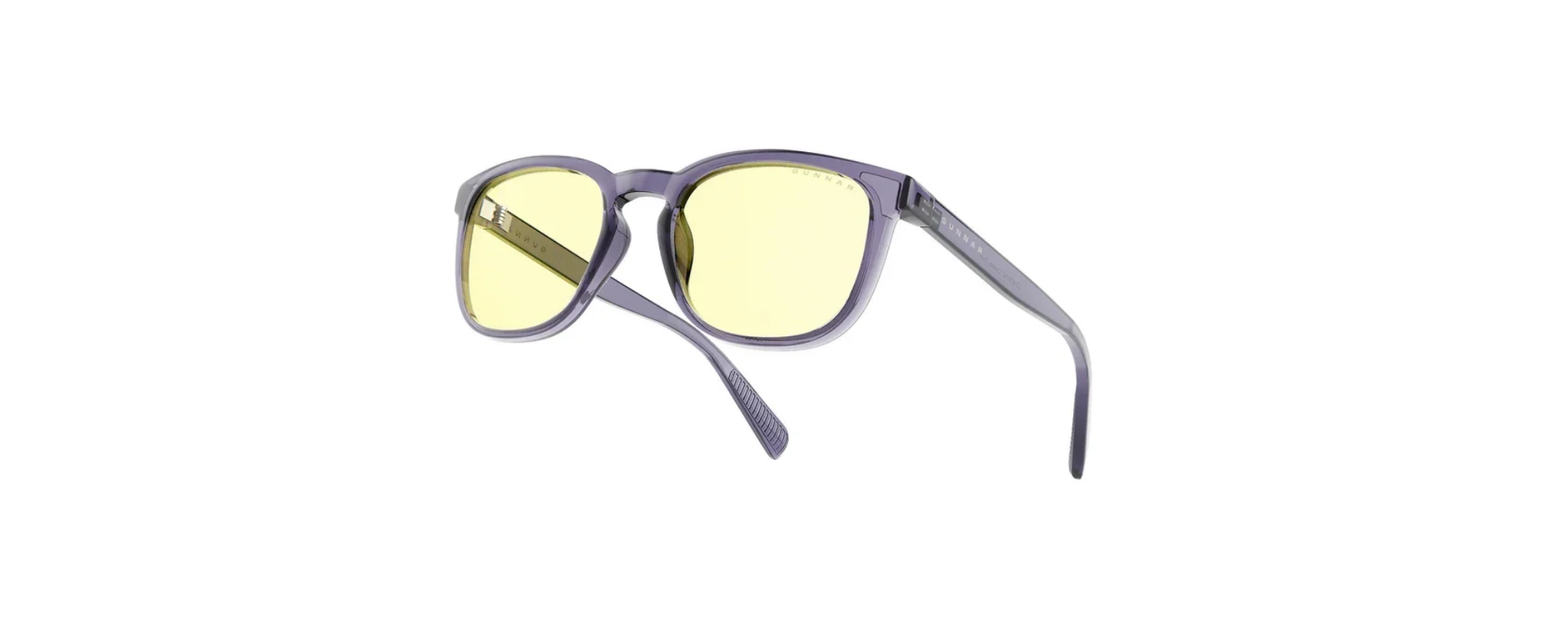
Blue light glasses are a popular choice for remote wellness gifts, but they are often misunderstood.
To be clear, current research, including advice from the Mayo Clinic, does not strongly support claims that these glasses improve sleep or vision.
What they do offer is a helpful reminder; employees who wear them tend to be more aware of their screen time and are more likely to take breaks.
For wellness programs, their main value is in encouraging healthy habits rather than providing a medical benefit.
They cost between $15 and $80 and work well as part of an ergonomic starter kit or onboarding package.
2. Noise-Canceling Headphones
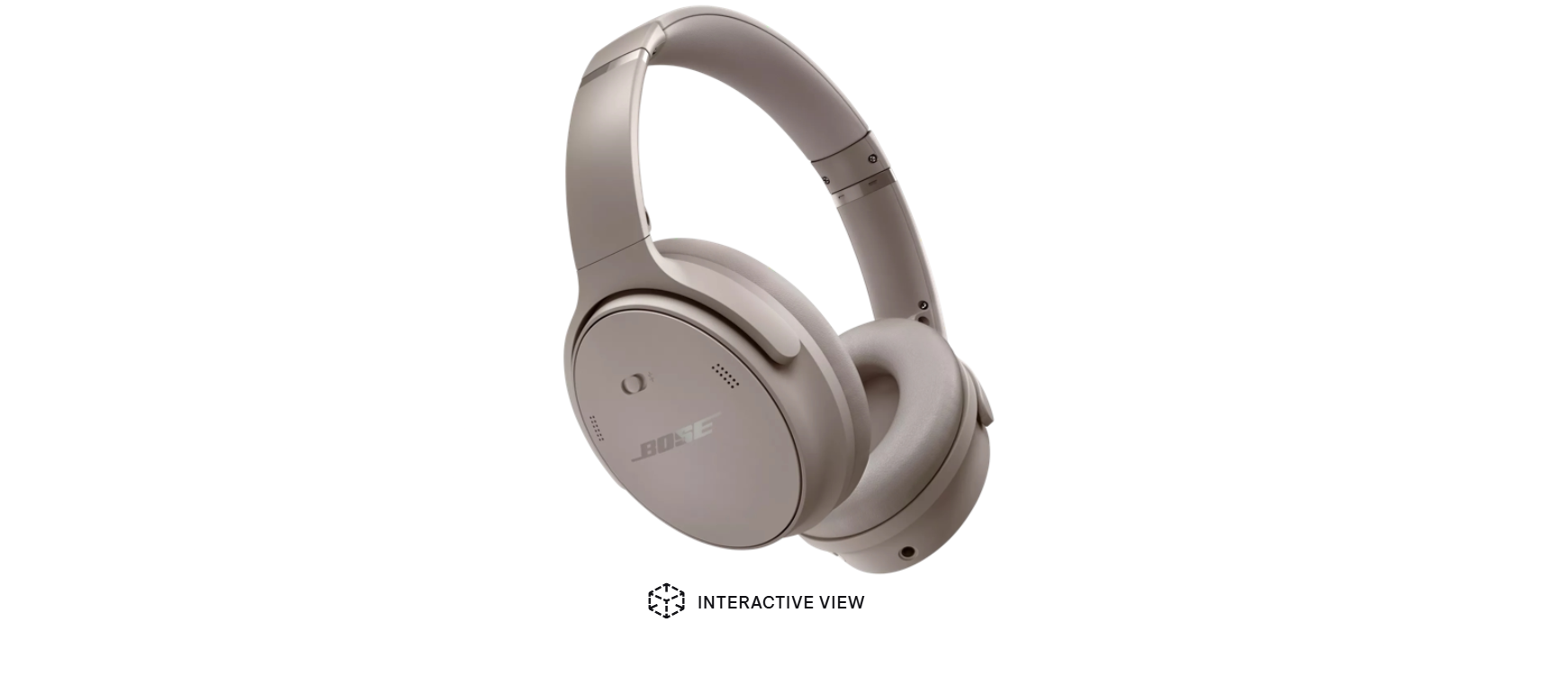
Noise-canceling headphones are often rated as one of the best wellness gifts for remote employees, and they offer even more health benefits than blue light glasses.
Chronic noise is a known stressor that can raise cortisol levels, lower cognitive performance, and lead to burnout over time.
For people working from home in shared spaces, noisy neighborhoods, or open-plan areas, good noise-canceling headphones can help reduce one of the most common sources of stress.
Quality models usually cost between $150 and $350. Because preferences vary, it is better to reimburse employees for these through a wellness stipend instead of giving them out in bulk.
3. Under-Desk Bikes
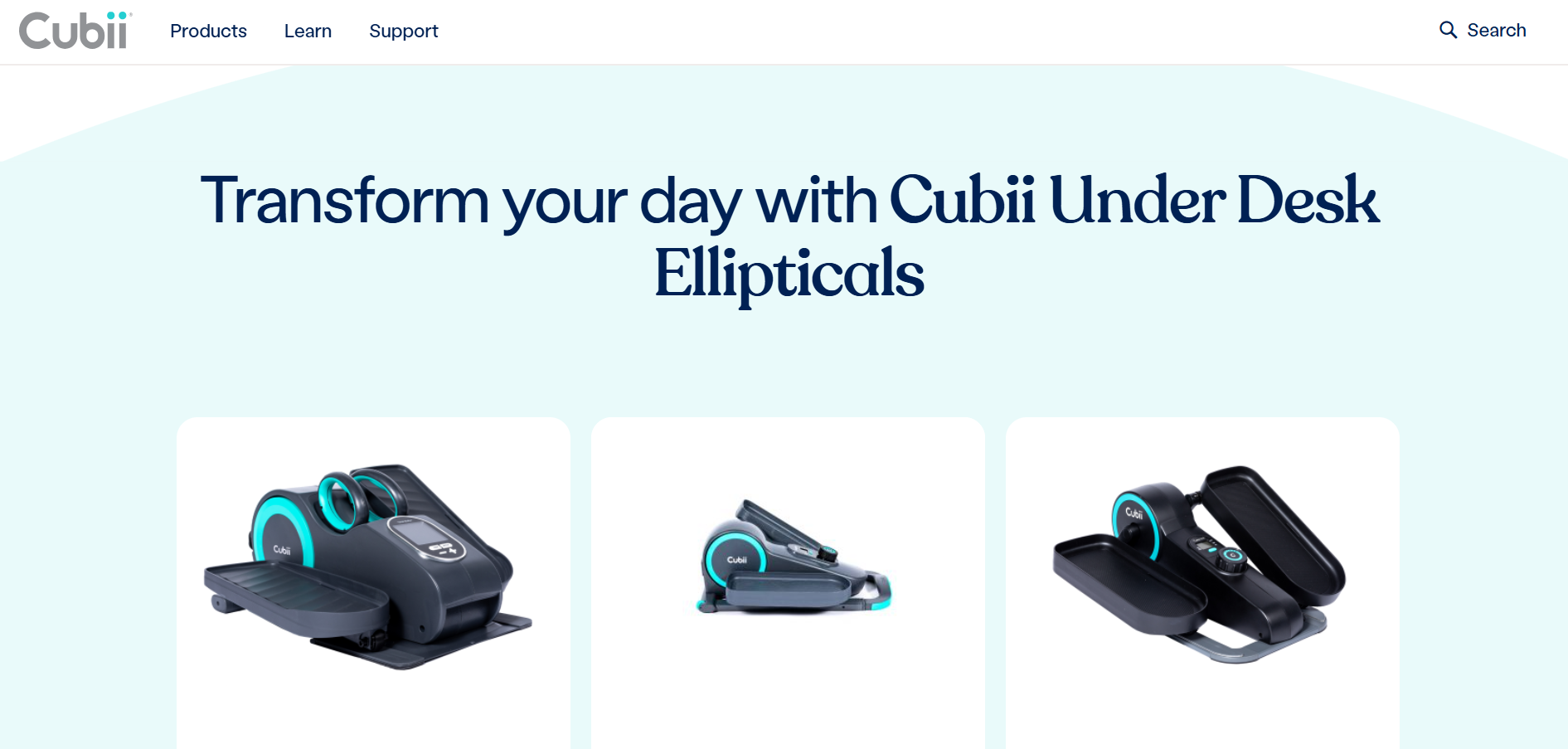
Sitting for long periods is a major health risk for remote workers, but under-desk bikes offer a practical solution for employees who need to stay at their desks.
Models such as the Cubii and FitDesk help people keep moving at a low intensity during calls or focused work, without breaking their concentration.
For wellness programs that track activity, these bikes can connect to activity tracking platforms so employees’ movement counts toward step goals and wellness challenges.
Costs range from $150 to $300. These bikes work best for reimbursement programs that require activity verification.
4. Standing Mats
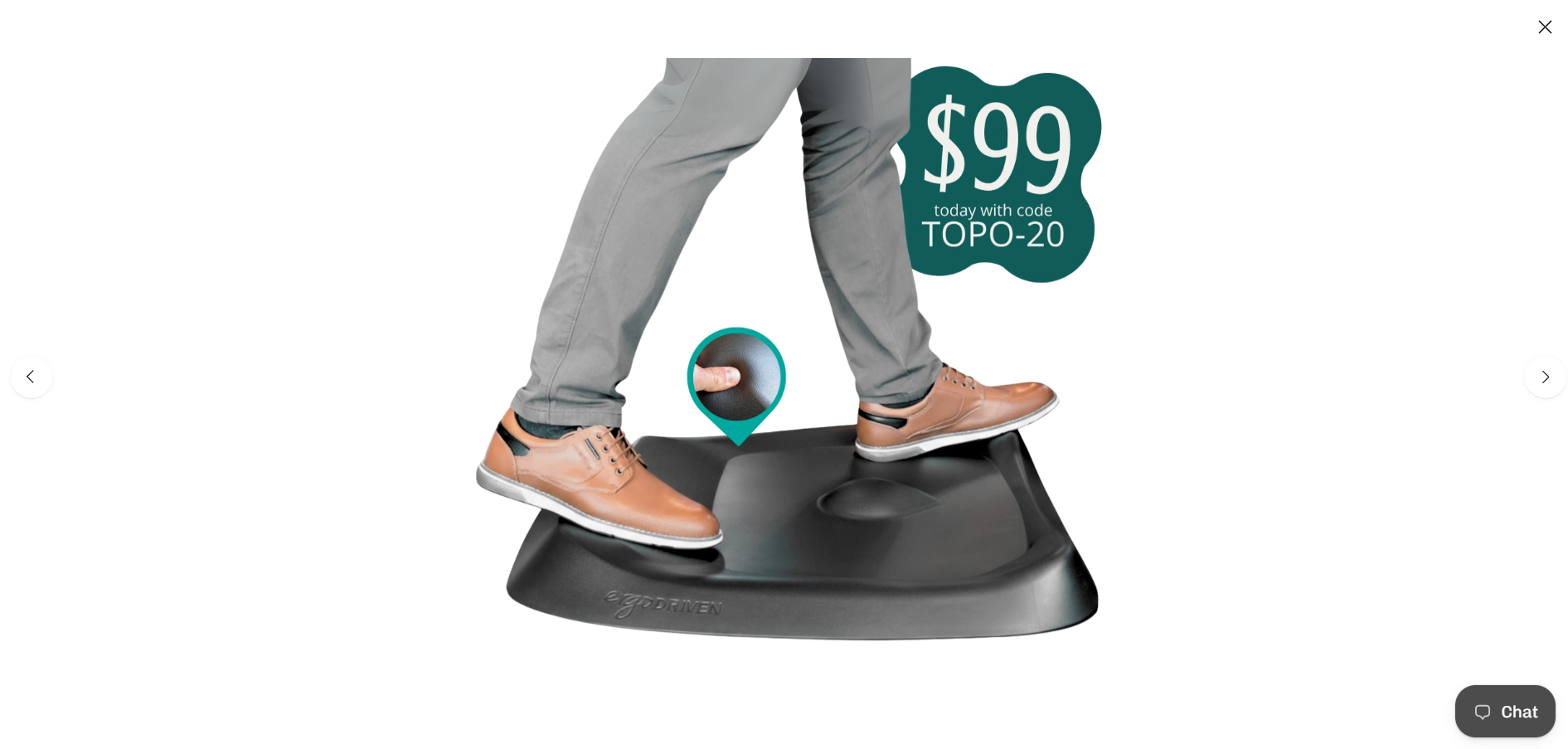
Anti-fatigue standing mats offer great value at a low cost for remote employees, especially if you already use a standing desk or desk converter.
Without a mat, standing can quickly make your feet, knees, and lower back tired, which takes away from the health benefits of standing while working.
Good mats, like those from Topo and ComfiLife, have contoured surfaces that help you move and shift your weight, so you feel less fatigue.
They usually cost between $50 and $130. These mats also make excellent gifts because they fit everyone and don’t require choosing a specific size or style.
5. Home Office Ergonomic Kits
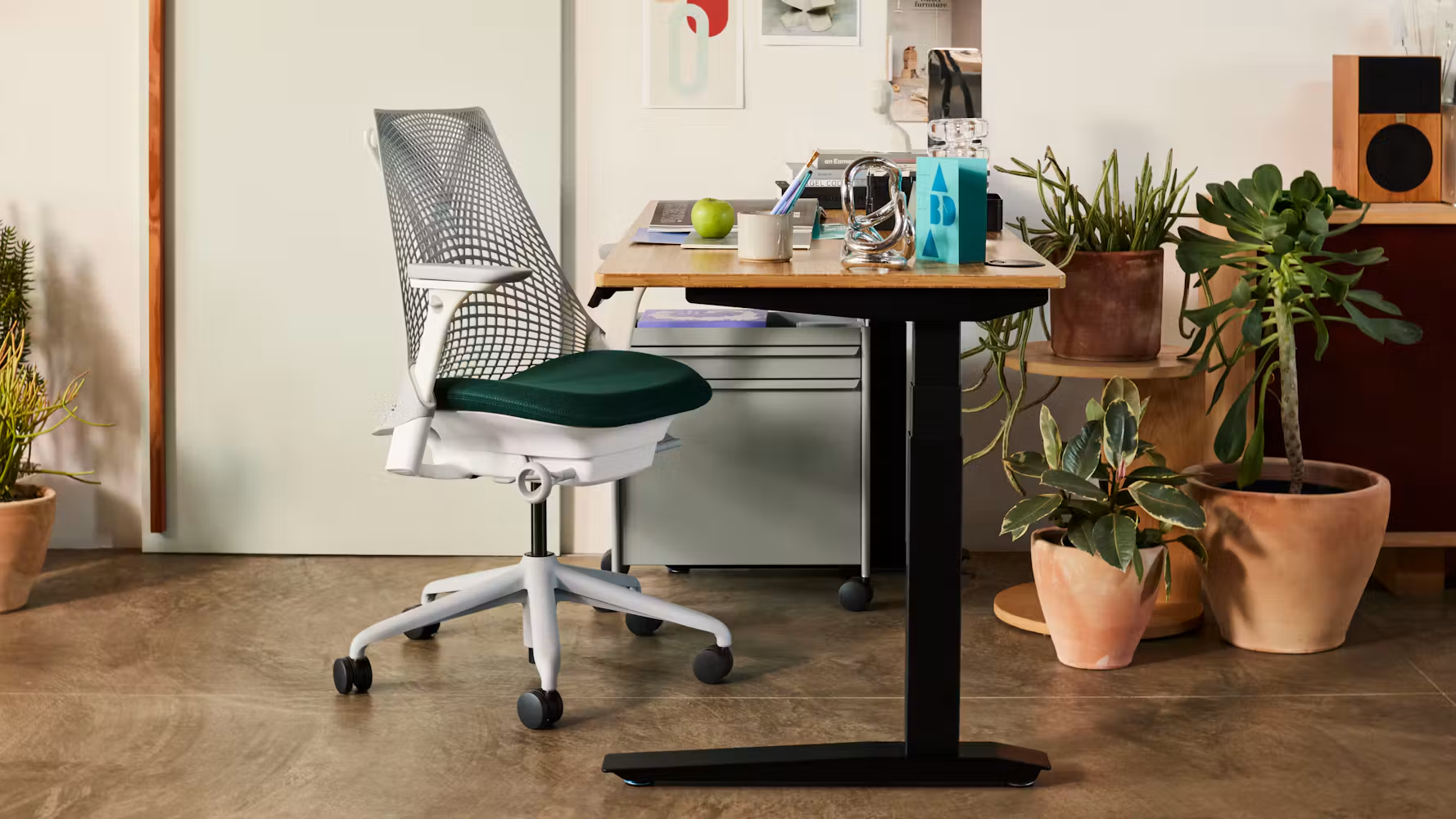
Home office ergonomic kits usually include a lumbar support cushion, monitor riser, wrist rest, and ergonomic mouse pad.
These kits help with the most common physical health problems for remote employees, such as back pain, neck strain, and wrist discomfort.
Musculoskeletal issues are the top health concern reported by remote workers, and ergonomic kits offer a cost-effective way to address them for many people at once.
They also make great gifts because they fit most people, do not depend on personal preferences, and can be used right away with any home desk setup.
A complete kit usually costs between $75 and $200. They work best as part of a remote employee onboarding wellness package.
6. Desk Organizers
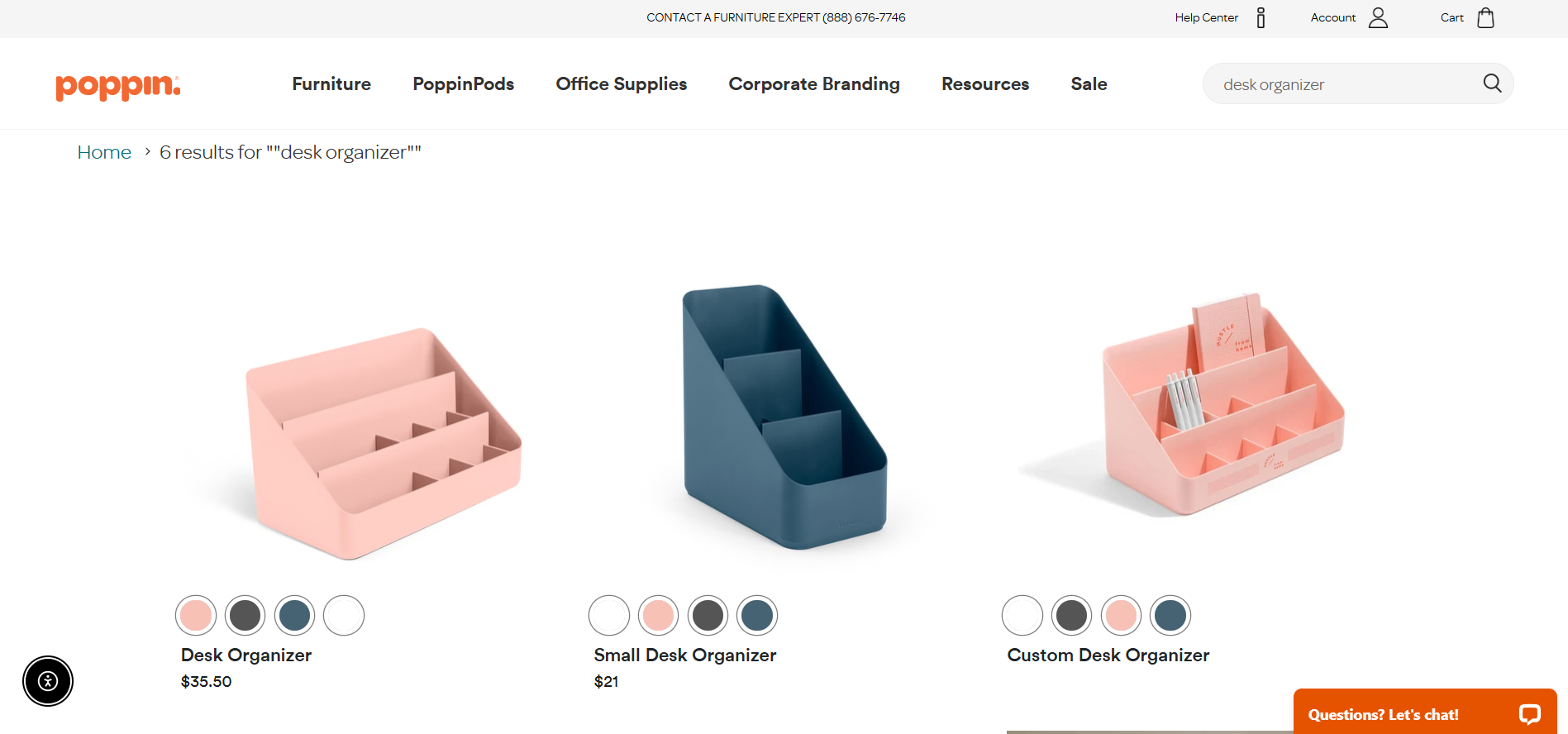
Desk organizers might seem like just productivity tools, not wellness products.
However, research shows that clutter in a workspace is linked to higher stress and mental strain. A messy desk can make it harder to focus, increase stress, and make switching between tasks more difficult.
For remote employees who work and live in the same area, it is already tough to separate "work mode" from "rest mode."
Having an organized, intentional workspace can help set that boundary. Costs range from $20 to $60.
These are best included in a welcome kit or as a low-cost option in a wellness stipend program.
How to Build a Remote Wellness Product Program that Actually Works
The most effective remote employee wellness product programs have three things in common: they link products to results, track participation, and reward healthy habits instead of just handing out items.
PDHI's Incentives Management module lets employers and health plans set up reimbursement programs that reward employees for buying wellness products, such as ergonomic kits or under-desk bikes.
Earning rules can be customized for different groups or business lines. When used with PDHI's Activity Tracking module, employees' use of movement-based products is tracked and counted toward wellness challenge progress and population health reports.
Final Thoughts
The best wellness products for remote employees are not always the most expensive. The most effective options are those that consistently address real health risks.
Noise-canceling headphones and ergonomic kits offer the greatest health benefits. Under-desk bikes are especially helpful for employees who spend a lot of time sitting.
Standing mats are a valuable, low-cost addition to any home office. Blue light glasses work best as a reminder to take breaks, rather than as a medical solution.
However, products by themselves do not make a complete wellness program.
The companies getting the best results from remote employee wellness are those that link product use to tracked habits, reward participation, and monitor health trends over time.
To learn more, request a demo to see how PDHI can help support remote employee wellness programs on a larger scale.
Frequently Asked Questions
Here are the most common questions employers and HR teams ask when building a wellness product program for remote employees.
1. What are the best wellness products to gift remote employees?
For remote employees, the most valuable wellness products include ergonomic home office kits to support musculoskeletal health, noise-canceling headphones to help with focus and mental wellness, and anti-fatigue standing mats for better posture.
Under-desk bikes are a great way to reduce sedentary habits. Desk organizers are an affordable and easy addition to any remote wellness program.
2. What is a wellness stipend for remote employees?
A wellness stipend is a set amount of money that employers give to remote employees to help cover approved wellness-related purchases.
These can include things like ergonomic equipment, fitness tools, mental wellness apps, and health products for the home office.
The most effective stipend programs define approved wellness stipend products clearly and include reimbursement verification to confirm purchases align with program goals.
Most stipends range from $200 to $600 per year, though some companies offer them monthly.
3. Do blue light glasses actually work for remote employees?
There is limited clinical evidence that blue light glasses improve sleep or vision. The Mayo Clinic does not currently support strong claims about how effective they are.
In a wellness program, their main benefit is behavioral. Employees who wear them often become more aware of their screen time and are more likely to take regular breaks.
These glasses work best as a tool to encourage healthy habits, not as a medical solution.
4. How does PDHI support remote employee wellness programs?
With PDHI's Incentives Management module, employers can set up reimbursement programs for wellness product purchases and customize earning rules for different groups or business lines.
When used with Activity Tracking and multi-channel outreach, PDHI links remote employee wellness product use to tracked behaviors, incentive rewards, and population health reporting.
This approach turns a product gifting program into a measurable wellness strategy.