Best Mental Wellness Apps Employers Can Recommend (2026)
October 26, 2026

Mental health benefits are now a key part of what companies offer employees, and the platforms employers use to provide these benefits are more important than ever.
In 2026, the four most commonly recommended mental wellness apps for employers are BetterHelp for Teams, Modern Health, Lyra Health, and Talkspace for Business.
Here, they are evaluated based on therapy access, EAP integration, clinical quality, privacy standards, and employer reporting features.
How These Top Mental Wellness Apps Compare
Best Mental Wellness Apps Employers Can Recommend in 2026
We evaluated each platform based on how well it fits employer mental health programs, not for individual consumer use.
Platforms designed for employers must meet additional requirements for clinical accountability, population-level reporting, and data privacy that consumer apps do not.
1. BetterHelp for Teams
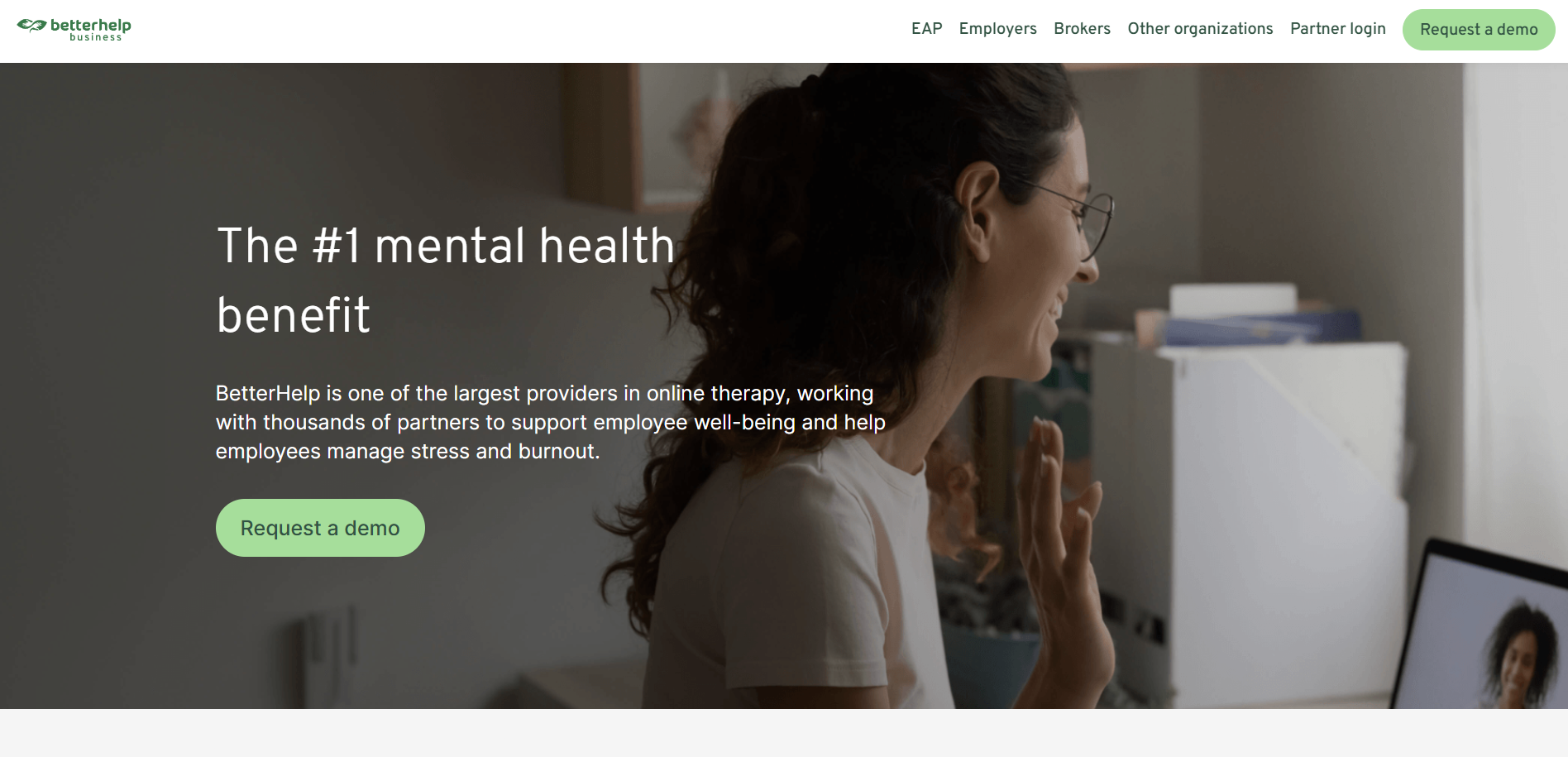
BetterHelp offers the largest network of licensed therapists on this list, giving employees access to thousands of credentialed providers across specialties, communication styles, and availability.
Its HIPAA-compliant infrastructure and 24/7 chat, audio, and video access make it highly accessible.
Still, its employer reporting is basic, EAP integration is limited, and therapist-matching quality can vary.
BetterHelp suits employers who prioritize broad access over clinical accountability and outcome measurement.
2. Modern Health
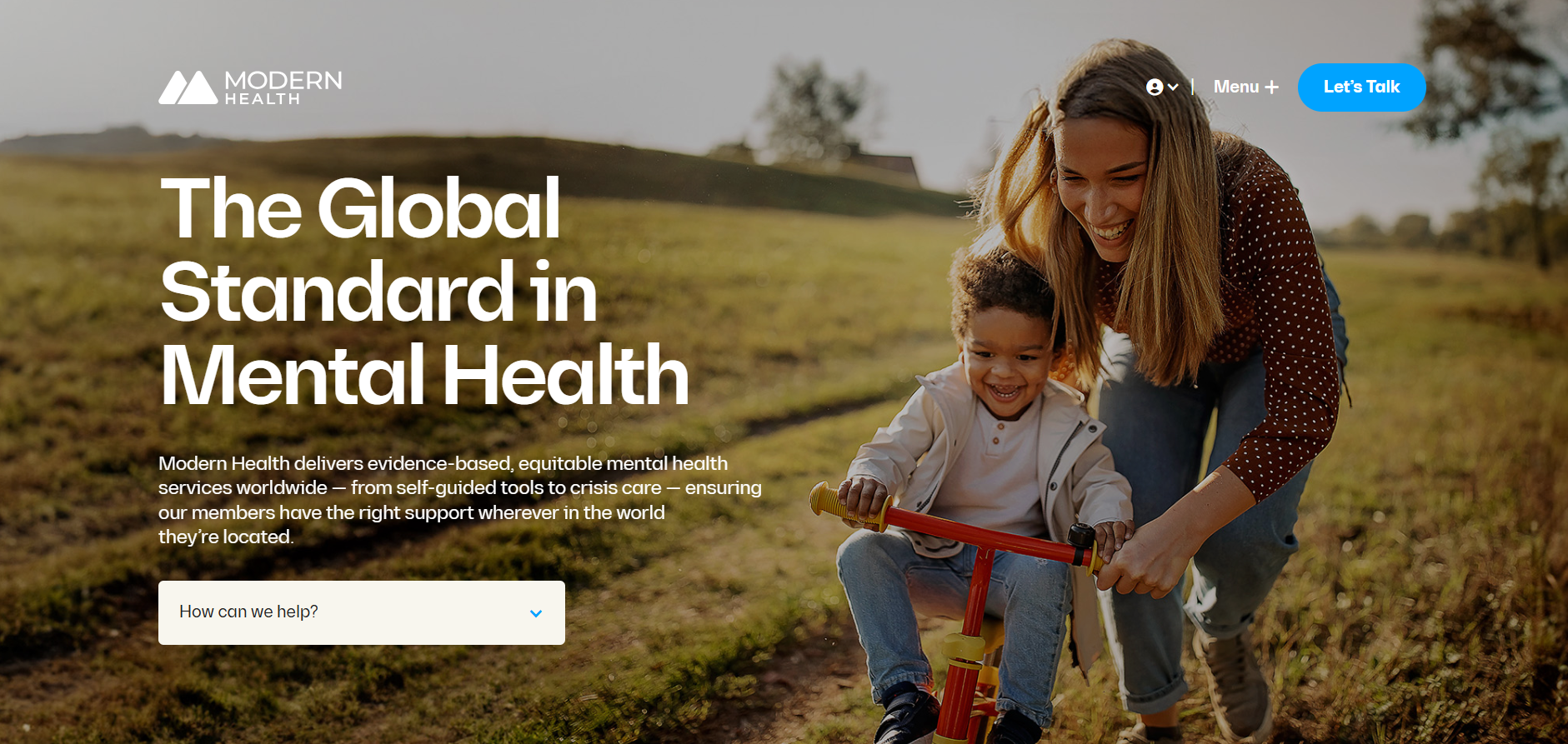
Modern Health is the most comprehensive mental wellness platform on this list for employers seeking to address mental health proactively.
Its blended care model integrates self-guided digital programs, evidence-based coaching, and clinical therapy within a single platform, supporting needs from everyday stress management to clinical intervention without requiring employees to use multiple tools.
The employer reporting dashboard offers population-level insights into utilization and wellbeing trends, and its EAP integration capabilities are among the strongest available.
Modern Health is best suited for mid-to-large employers developing a strategic mental wellness program rather than offering only therapy access.
3. Lyra Health
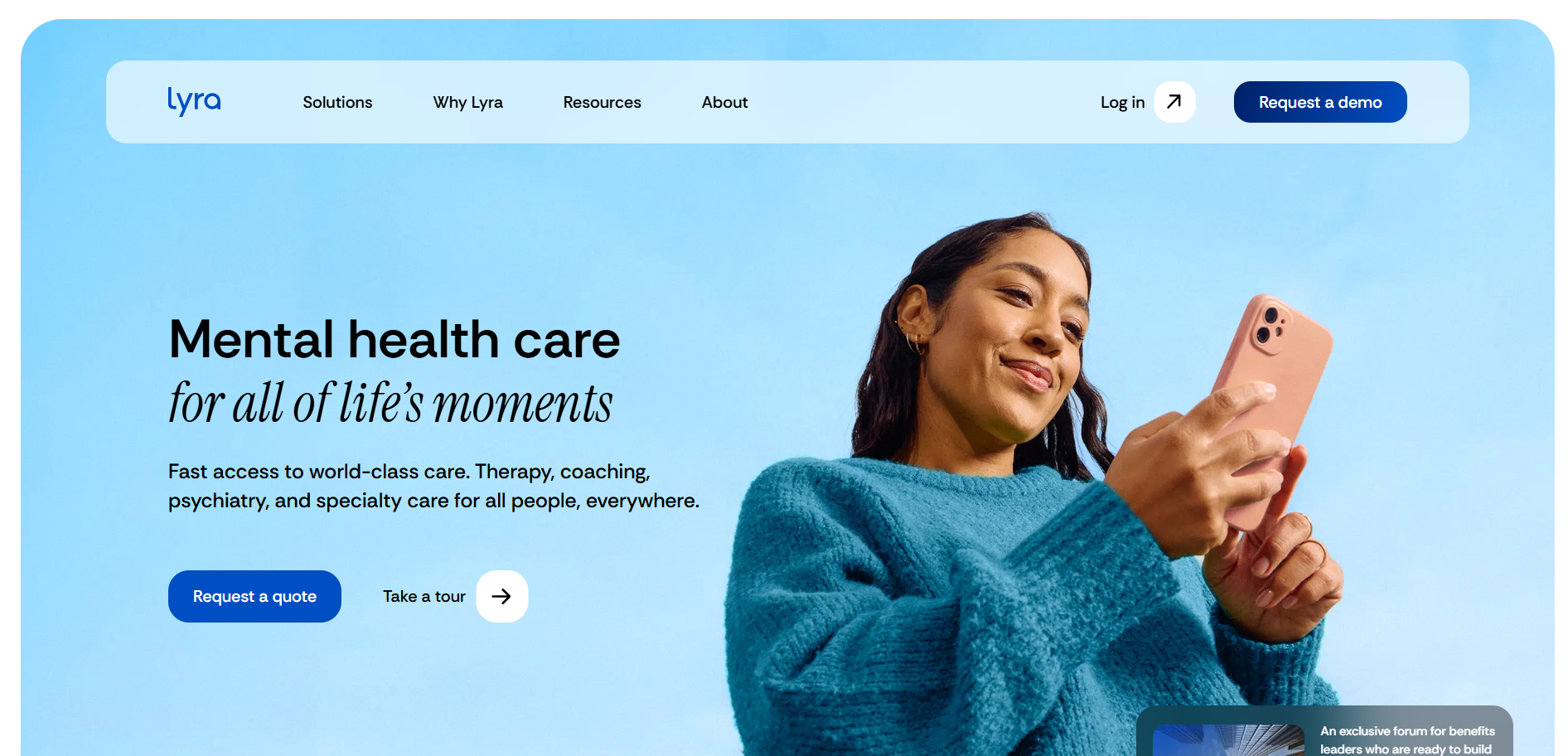
Lyra Health is the most clinically rigorous mental wellness platform for employers in 2026.
Used by organizations such as Microsoft, Morgan Stanley, and Walmart, Lyra’s stepped-care model guides employees from self-guided content to coaching, licensed therapy, and psychiatric care based on clinical need.
Its measurement-based care tracks clinical outcomes at the population level, providing employers with documented evidence of program effectiveness beyond utilization counts.
Lyra also offers the most comprehensive employer reporting among its peers.
However, Lyra is best suited for tech-adjacent, digitally confident workforces and may have lower adoption among hourly or less digitally engaged employees.
4. Talkspace for Business
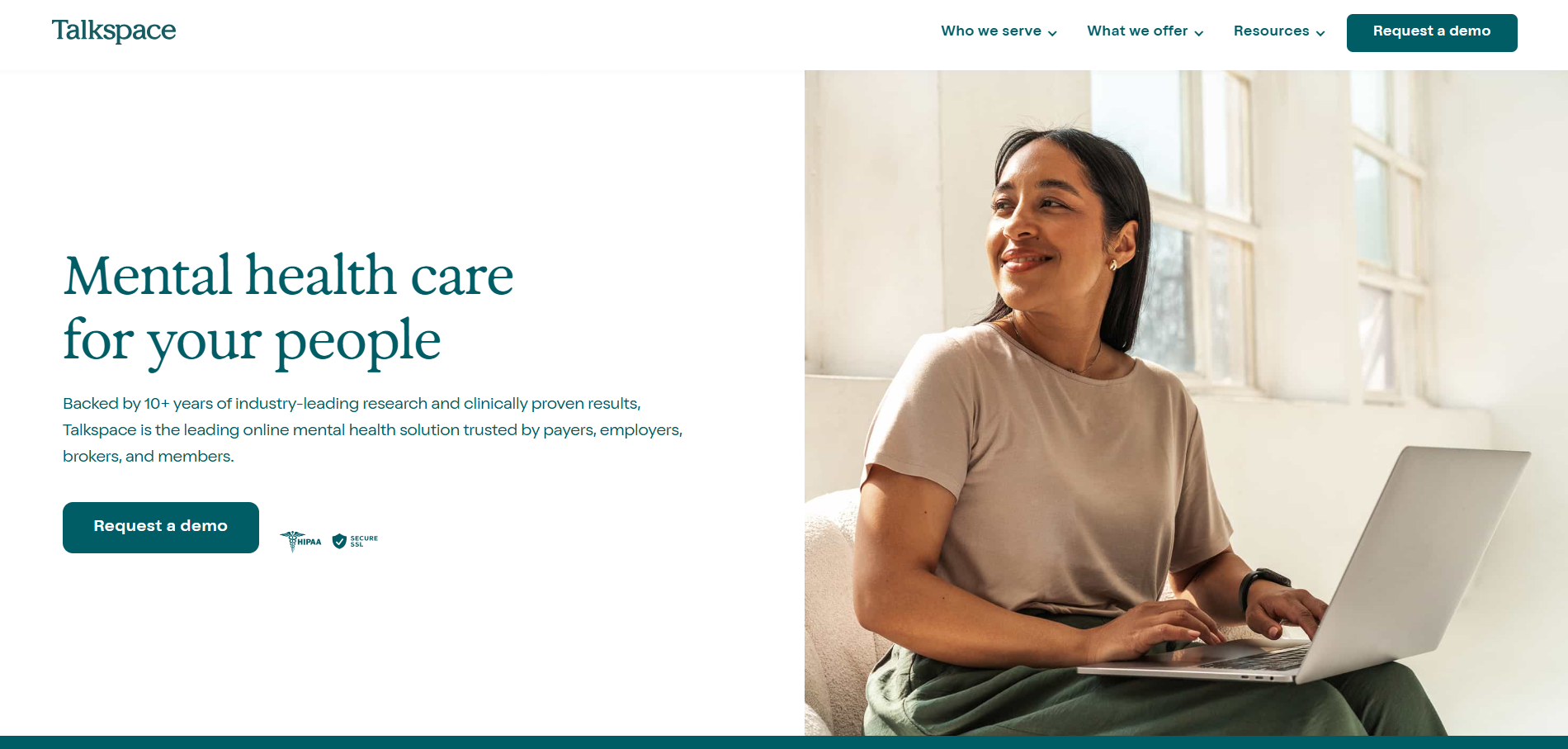
Talkspace for Business offers a highly flexible therapy delivery model that combines asynchronous text-based messaging, live video sessions, and psychiatric medication management in a single employer-facing platform.
For remote or distributed teams where scheduling synchronous sessions is challenging, Talkspace’s asynchronous model significantly improves access.
However, independent user reviews suggest inconsistent response quality and session experiences, indicating that clinical consistency may be less reliable than with Modern Health.
This solution suits employers who prioritize accessibility and flexibility over clinical accountability, especially for geographically dispersed workforces.
What Mental Wellness Apps Cannot Do On Their Own
Each platform on this list addresses the access issue, allowing employees to connect with a therapist or coach more easily than with a traditional EAP. But none independently resolve the integration challenge.
A standalone mental wellness app generates:
- Session counts and login rates.
- Individual utilization data.
- Basic engagement metrics.
A mental wellness benefit integrated into a broader wellness program generates:
- Population-level mental health risk scores.
- Correlation between mental and physical health trends.
- Targeted outreach triggers for high-risk populations.
- Health assessment follow-up workflows.
- Measurable program outcomes over time.
How PDHI Connects Mental Wellness Benefits to Program Outcomes
PDHI’s Managed Health Assessments include mental and emotional wellbeing indicators within a clinically validated health profile, providing employers and health plans with population-level insight into mental health risks that standalone therapy apps cannot offer.
Assessment results link directly to health coaching referrals and incentive programs that encourage engagement with mental wellness resources, bridging the gap between access and action.
Request a demo to learn how PDHI integrates mental wellness into a comprehensive population health program.
Final Thoughts
Recommending a mental wellness app is only the first step in a comprehensive mental health strategy.
Employers achieve the best results by integrating app-based access with health assessments, coaching referrals, and population health reporting, transforming a benefit into a measurable program.
For employers seeking broad therapist access, BetterHelp for Teams offers the largest network.
Modern Health is best suited for proactive, comprehensive mental wellness. Lyra Health stands out for clinical rigor and proven outcomes.
Talkspace for Business addresses the need for flexible asynchronous therapy in distributed workforces, though clinical consistency may vary.
Request a demo to learn how PDHI can support this integration.
Frequently Asked Questions
Here are the most common questions employers ask when evaluating mental wellness apps to recommend to employees.
1. What is the best mental wellness app for employers to recommend?
The best mental wellness app depends on the employer’s objectives. Lyra Health is the leading choice for clinical rigor and outcomes reporting.
Modern Health is best suited for comprehensive proactive wellbeing. BetterHelp for Teams offers the broadest therapist network coverage.
Talkspace for Business is the most accessible option for flexible asynchronous therapy in distributed workforces.
2. What is the difference between a mental wellness app and an EAP?
Traditional EAPs usually provide 3 to 8 free counseling sessions, limited therapist options, low utilization rates, and minimal employer reporting.
Modern mental wellness apps such as Lyra Health and Modern Health expand on EAPs by offering broader therapist networks, digital self-guided tools, coaching, and comprehensive employer reporting.
Research shows EAP utilization rates are typically below 10%, while modern mental wellness platforms achieve significantly higher engagement.
3. How do employers protect employee privacy when recommending mental wellness apps?
All four platforms listed are HIPAA-compliant, ensuring individual employee mental health data is protected and not disclosed to employers without consent.
Employer reports are aggregated and de-identified, presenting only population trends.
For employers in regulated industries or those handling sensitive data, HITRUST certification offers an additional, independently validated layer of security beyond HIPAA compliance.
4. How does PDHI complement mental wellness apps?
PDHI’s health assessments include mental and emotional wellbeing indicators within a clinically validated population health profile.
This approach links mental wellness app engagement to health coaching referrals, incentive rewards, and population-level reporting.
While mental wellness apps provide access, PDHI delivers the program infrastructure that connects this access to measurable health outcomes.