Best Tools for Organizing Employee Wellness Events (2026)
October 22, 2026

Organizing employee wellness events like health fairs, biometric screenings, fitness classes, lunch-and-learns, and virtual workshops takes more than just sending a calendar invite.
The tools you use to handle registration, track attendance, send reminders, and support both in-person and virtual formats can make a big difference in turnout and how smoothly everything goes.
Here’s a look at how the six most popular tools stack up in 2026, based on registration process, hybrid event support, attendance tracking, and reminder automation.
How the Top Wellness Event Tools Compare
Each tool below was chosen because it works well for different types of wellness events, from small team fitness sessions to large health fairs and hybrid wellness summits.
1. Eventbrite
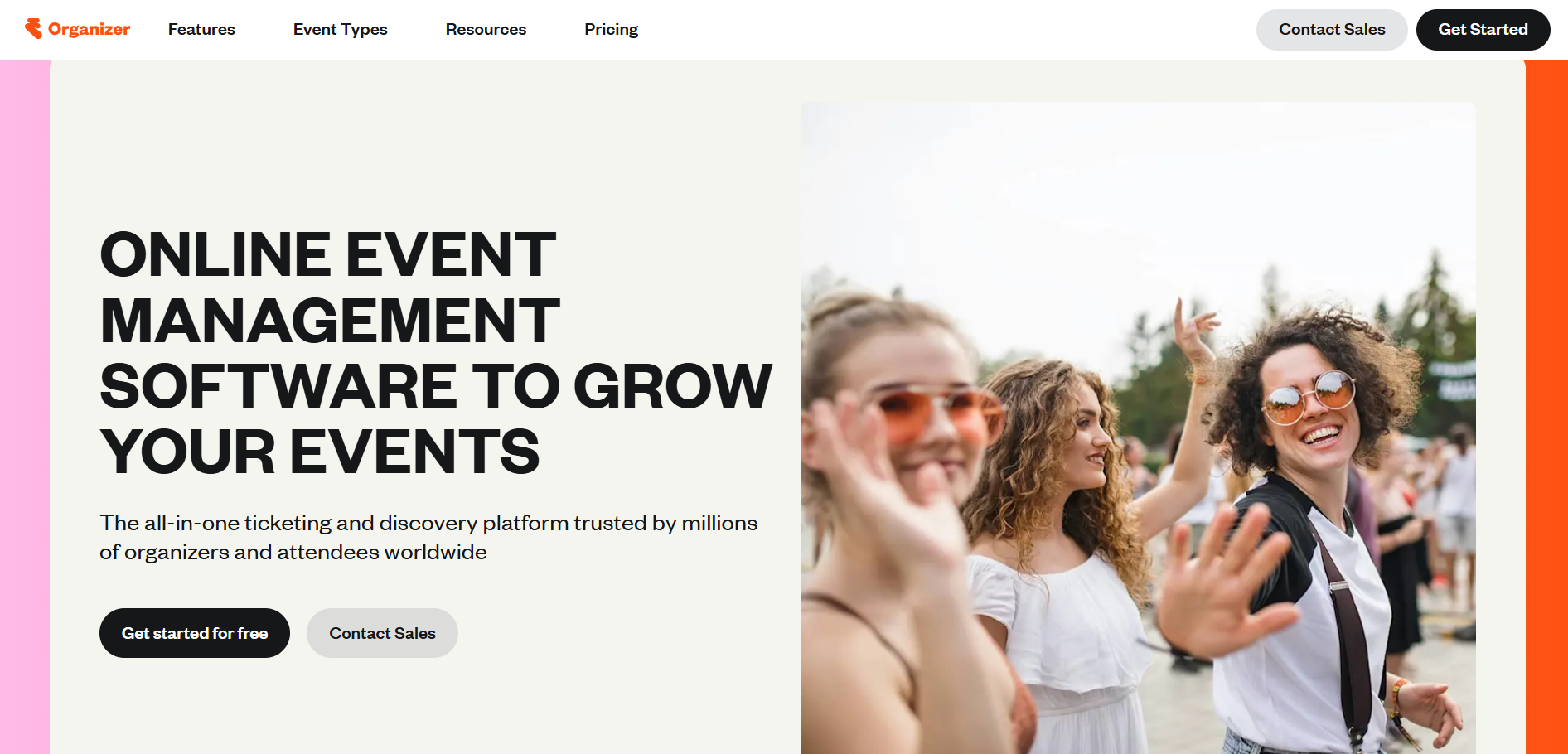
Eventbrite is the most widely recognized event registration platform in the market.
For large employee wellness events like health fairs, biometric screening days, and annual wellness expos, its registration flows, ticketing options, and built-in reminder automation make it a strong operational choice.
The attendance tracking dashboard gives organizers real-time visibility into RSVPs and check-ins.
It also supports hybrid events, so organizations can run in-person and virtual components at the same time.
For wellness programs, Eventbrite does not connect to wellness program data. Attendance records stay in Eventbrite instead of feeding into incentive programs or population health reporting.
2. Calendly
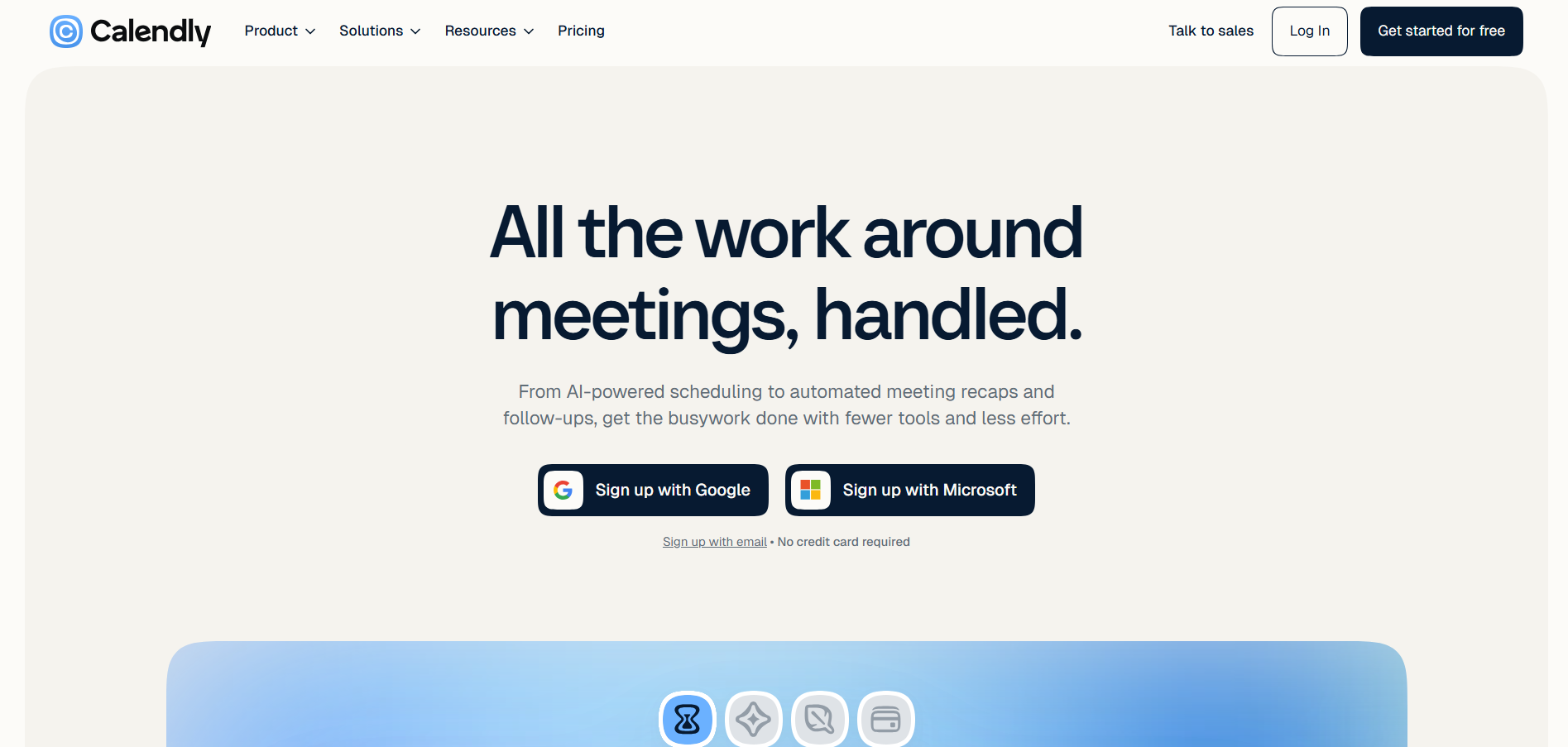
Calendly is not a typical event management tool. It is a scheduling platform.
For wellness events that need one-on-one or small-group bookings, like health coaching sessions, biometric screenings, nutrition consultations, or mental health check-ins, Calendly’s automated booking and reminders make scheduling easy.
Its hybrid support is limited, and attendance tracking is basic, so it works best for appointment-based wellness programs rather than large group events.
3. Zoom Webinars
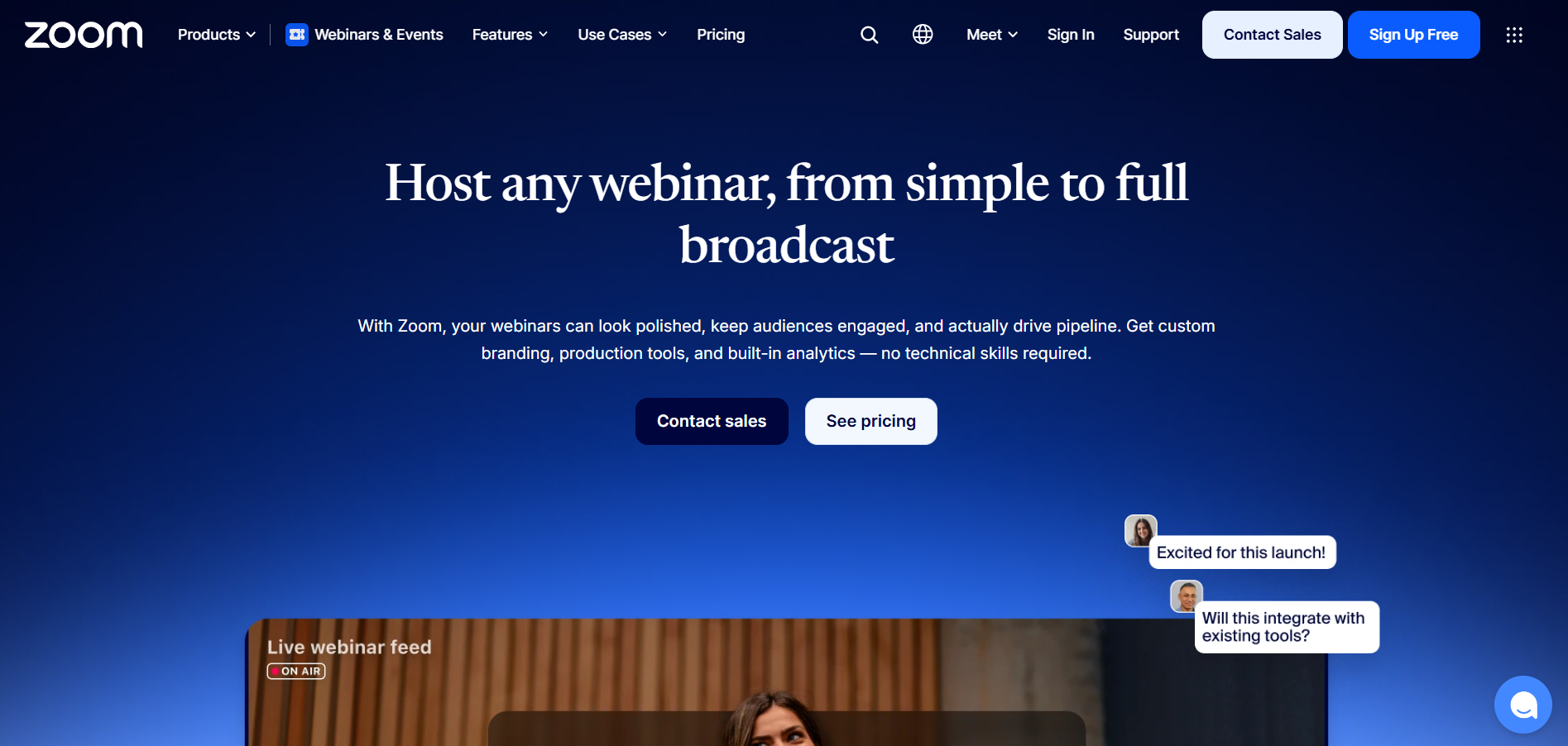
Zoom Webinars is the go-to tool for virtual employee wellness events like lunch and learns, expert speaker sessions, mindfulness workshops, and live fitness classes.
It offers simple registration, tracks when people join and how long they stay, and sends reminders that help reduce no-shows.
For hybrid wellness events with both in-person and remote attendees, Zoom Webinars provides a dependable experience.
Organizations hosting large hybrid wellness summits may find that Hopin is better suited for those needs.
4. Hopin
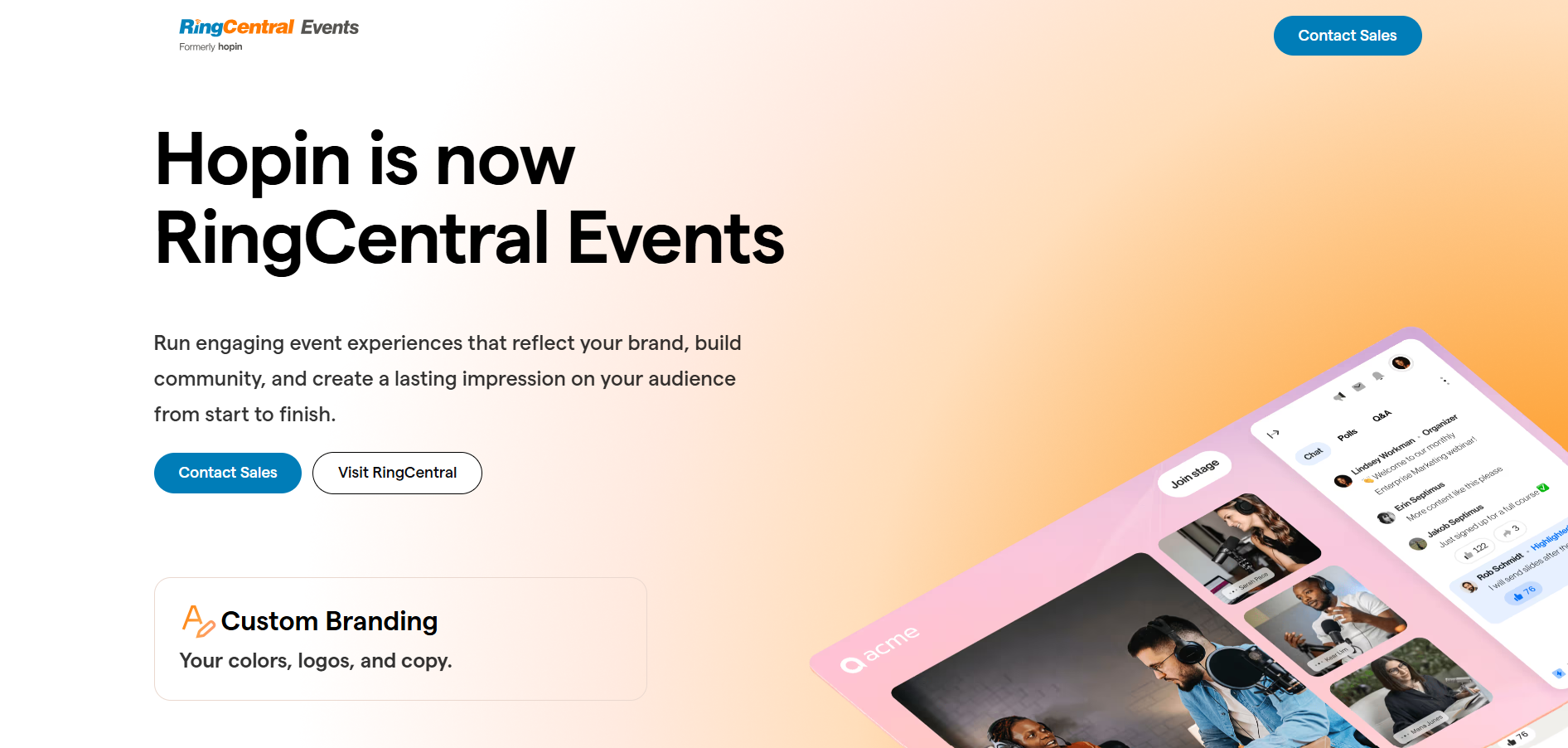
Hopin stands out as the top hybrid event platform here.
It is designed for organizations that need to run multi-session, multi-track events for both in-person and virtual audiences at the same time.
If you are a large employer hosting annual wellness summits or multi-day health conferences, Hopin’s stage, session, networking, and expo features offer an event setup that other tools on this list cannot match.
Its registration process, attendance tracking, and automated reminders are all built for enterprise needs.
5. RSVPify
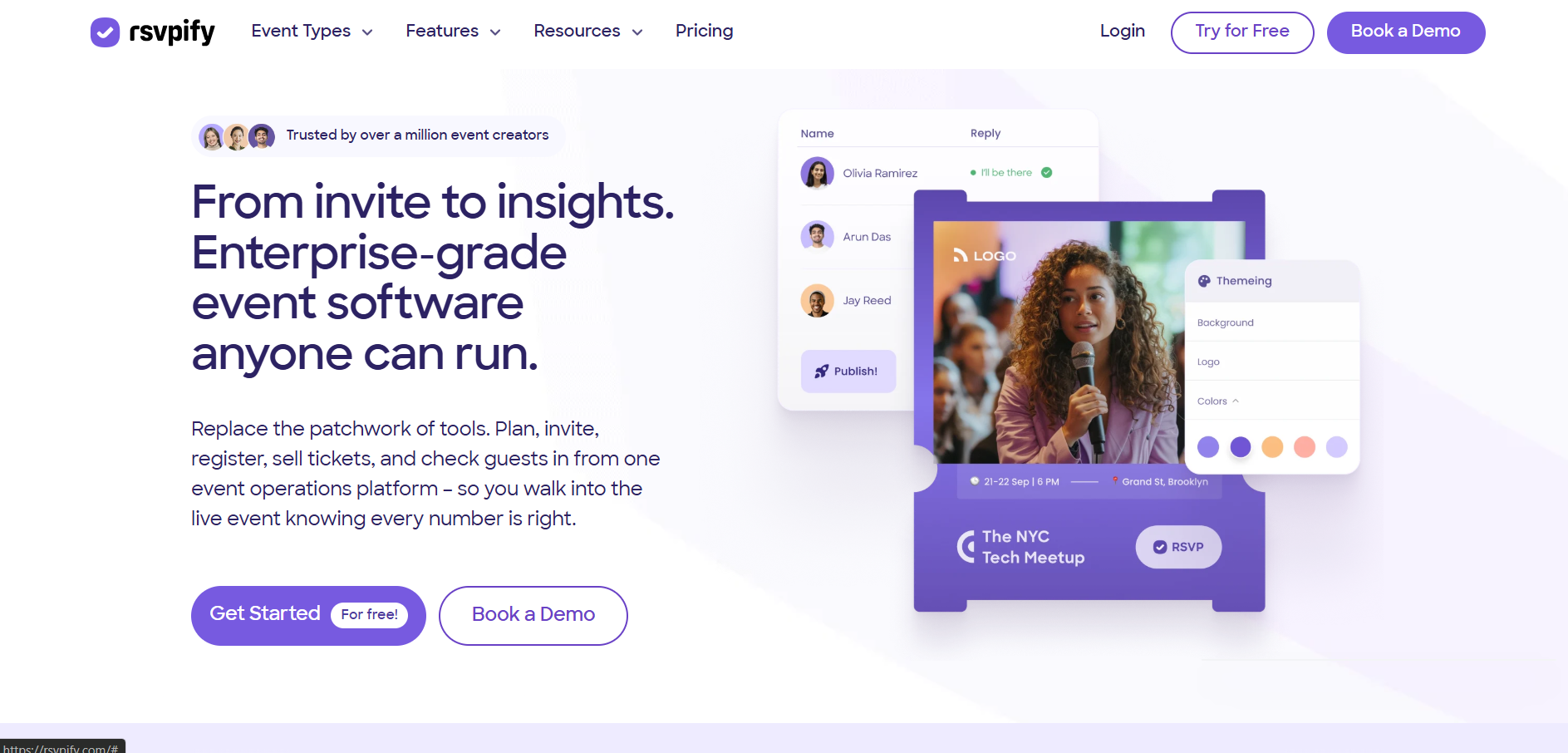
RSVPify is a simple event registration tool that focuses on ease of use and flexibility instead of offering lots of advanced features.
If you run a wellness program and need to collect RSVPs for events like lunch-and-learns, yoga sessions, or team walks, RSVPify makes it easy to set up a branded registration page, send reminder emails, and track attendance.
While its hybrid event support is limited and its reporting features are not as detailed as those in enterprise-level tools, RSVPify is still one of the easiest options for basic wellness event registration.
6. Luma
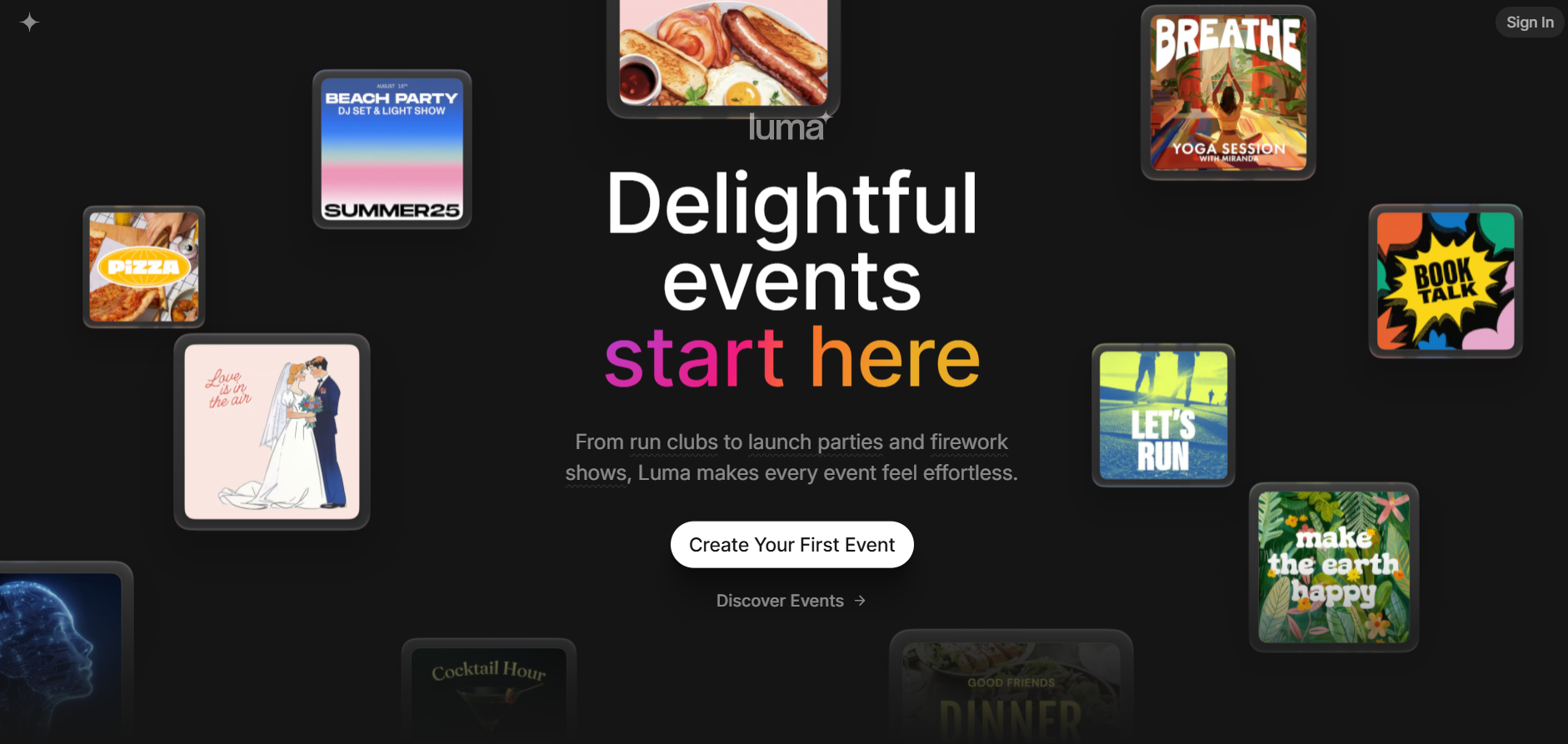
Luma is a newer event platform that has become popular in corporate wellness for its clean, modern event pages and easy registration process.
Its calendar-style event hub lets organizations share and promote several wellness events in one branded space, so employees have a single place to find upcoming activities.
Luma offers reliable reminder automation and attendance tracking for a lightweight tool.
Its expanding integration options also make it a good choice for organizations that want a polished wellness event platform without the complexity of enterprise-level systems.
The Missing Piece in Most Wellness Event Strategies
Most organizations plan their employee health events well; the issue comes after the event. A biometric screening might produce 200 results that just sit in a spreadsheet.
A fitness class could have 50 people show up, but their participation is never tracked. After a health fair, no one knows if it actually improved any health metrics.
The tools on this list help with planning and running events, like handling registration, sending reminders, and managing check-ins.
But they do not address what happens after the event:
- Where does the attendance data go once the event is over?
- Does it lead to an incentive reward, connect to a health assessment follow-up, or show up in a population health dashboard?
For most organizations using separate event tools, the answer is no. That is where the return on investment for wellness events often disappears.
How PDHI Connects Wellness Events to Program Outcomes
PDHI's Challenges + Events module is designed for health plans, employers, and wellness vendors who want wellness event participation to lead directly to program action.
Event attendance is automatically added to incentive programs, health assessment follow-up workflows, and population-level reporting through more than 55 self-service dashboards.
This gives administrators a clear view of not only who attended, but also what happened afterward.
Request a demo to see how PDHI's event management features can support your wellness programs at scale.
Final Thoughts
The best tool depends on your needs. Eventbrite works well for large health fairs. Calendly makes booking wellness appointments easy.
Zoom Webinars is great for virtual sessions. Hopin is a top choice for hybrid summits. RSVPify and Luma are good for simple, clean registration pages.
But none of these tools track what happens after the event.
For example, they do not show if a biometric screening led to a health coaching referral or if attending a fitness class should count toward an incentive balance.
If this difference is important to your organization, request a demo to see how PDHI links wellness event participation to real program results.
Frequently Asked Questions
Here are the most common questions employers and wellness program administrators ask when evaluating tools for organizing employee wellness events.
1. What is the best tool for organizing employee wellness events?
Eventbrite works well for large health fairs and events with many attendees. For appointment-based wellness sessions, such as health coaching or biometric screenings, Calendly is a great choice.
Zoom Webinars is the go-to for virtual wellness events. If you are planning a hybrid wellness summit, Hopin is the most capable platform.
2. What is the difference between an event management tool and a wellness platform for organizing wellness events?
Wellness platforms focus on program outcomes by linking event participation to incentives, health assessments, care gap closure, and population health reporting.
If organizations use only event management tools for wellness events, they end up with attendance data that does not lead to any results. Wellness platforms, by contrast, connect attendance to program actions that drive measurable health improvements.
3. How do you track attendance at employee wellness events?
Most event management tools include built-in attendance tracking. For example, Eventbrite, Hopin, and Zoom Webinars all give you real-time check-in data and post-event attendance reports.
However, if you need attendance tracking to connect with incentive fulfillment and population health reporting for wellness programs, purpose-built wellness platforms offer the integration that standalone event tools lack.