Biometric Screening Software vs. Manual Screening Management: Key Differences
August 13, 2026

Managing biometric screenings manually (spreadsheets, paper forms, email follow-ups, and manual data entry) is one of the most resource-intensive workflows in population health management.
Biometric screening software changes that equation entirely.
Here is what the difference looks like in practice, and why it matters for health plans, employers, and wellness vendors managing screenings at scale.
What is Biometric Screening Software?
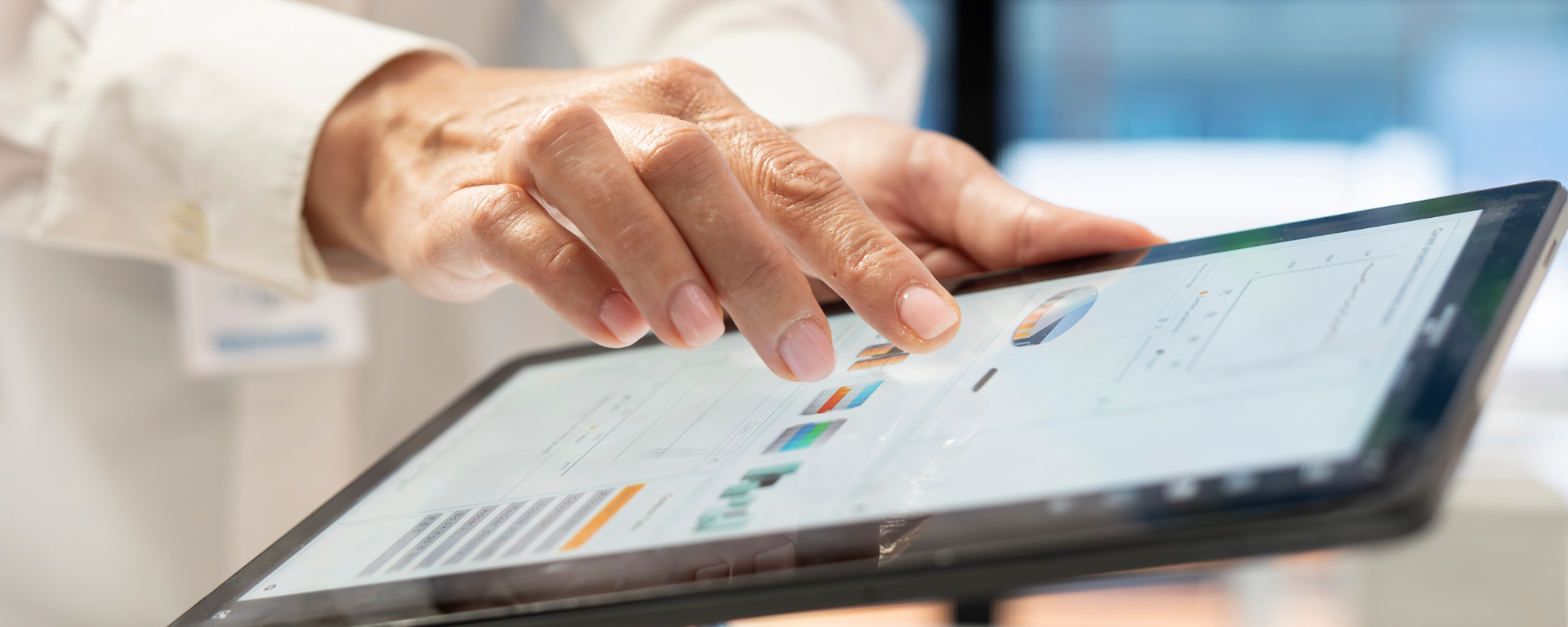
Biometric screening software is a digital tool that handles every step of an employee biometric screening program.
It covers scheduling, checking eligibility, collecting data, delivering results, and reporting.
The top platforms offer several ways to collect data, including onsite screening events, provider form submissions, and lab integrations.
They bring all results together in one HIPAA-compliant system that links with other wellness program processes.
How Manual Screening Management Works and Where it Breaks Down

Manual biometric screening management typically involves a patchwork of disconnected tools and processes.
- Scheduling managed through emails and spreadsheets
- Paper forms collected at onsite events and manually entered into a system
- Lab results received in inconsistent formats and reconciled by hand
- Member follow-up managed through manual outreach
- Reporting compiled from multiple data sources, often weeks after the screening event
Each of these steps introduces opportunities for error, delay, and data loss.
For health plans managing thousands of members or employers running multi-site screening programs, the administrative burden quickly becomes unsustainable.
How Biometric Screening Software is Different
Biometric screening software replaces that patchwork with a single, integrated workflow. Here is what changes:
Scheduling and Eligibility Management
Biometric screening management software automates eligibility checks in real time, flagging ineligible participants before they arrive at a screening event and reducing administrative errors at the point of data collection.
Scheduling is managed centrally, with configurable appointment windows, location management, and automated participant reminders that reduce no-shows without manual follow-up.
Multi-Method Data Collection
The best biometric screening platforms support multiple data collection pathways, onsite events, primary care physician forms, and laboratory integrations, all feeding into a single consolidated record.
For workplace health screening programs that serve geographically dispersed populations, this flexibility is essential.
Not every employee can attend an onsite event. Not every member has the same access to care.
A platform that accommodates multiple collection methods reaches more of the population more consistently.
Real-Time Data Validation
Manual data entry is one of the leading causes of biometric data errors.
Biometric screening software validates data at the point of entry, flagging out-of-range values, missing fields, and duplicate records before they enter the system.
For health plans where biometric data feeds into quality reporting and care gap management, data accuracy is not a nice-to-have. It is a compliance requirement.
Result Delivery and Member Communication
Biometric screening software automates result delivery, providing members with clear, easy-to-understand reports that highlight key health metrics and recommended next steps.
For employers and health plans, automated result delivery reduces the administrative burden of managing member communications while ensuring members receive their data promptly and consistently.
Reporting and Analytics
Manual screening management produces reports that are always out of date.
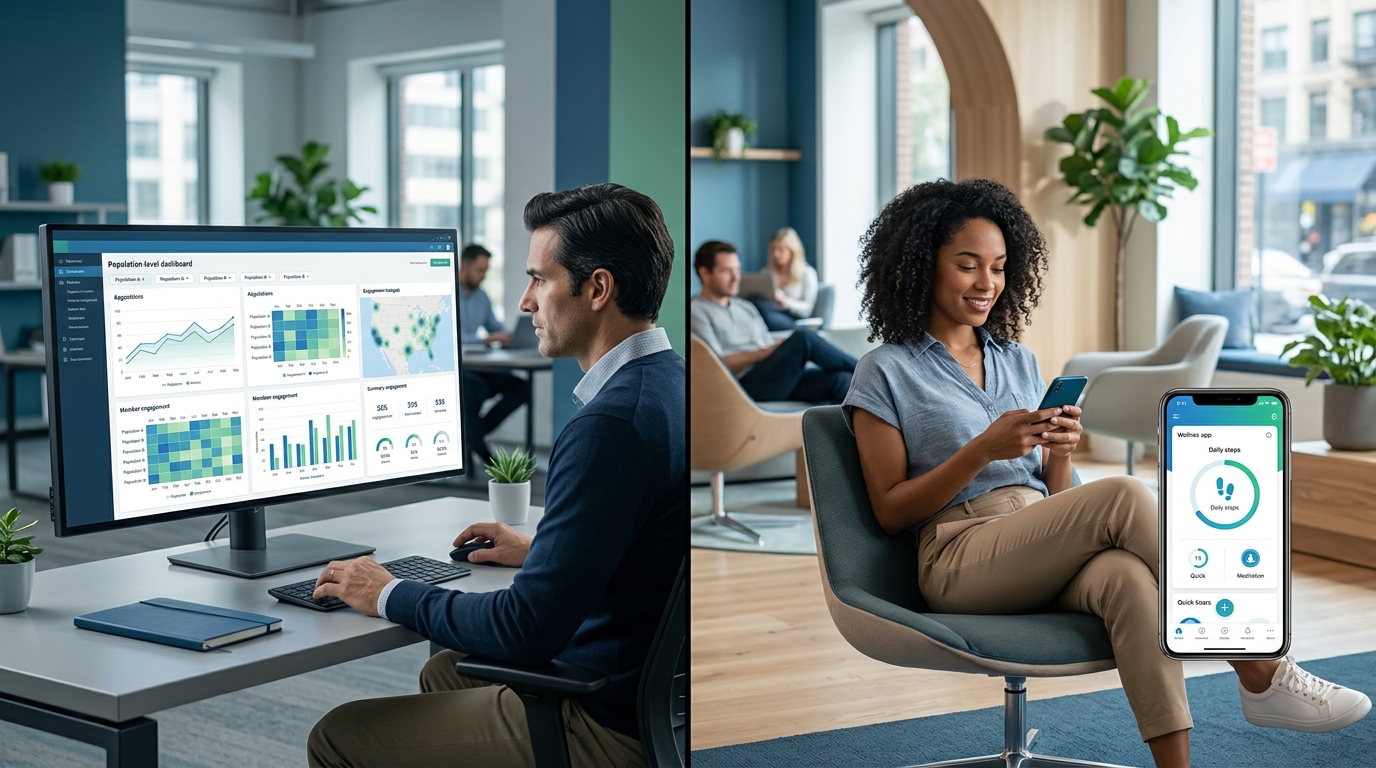
Biometric screening software produces real-time dashboards that give administrators visibility into screening completion rates, data quality metrics, population health trends, and care gap status, all in one place.
For health plans connecting biometric data to HEDIS quality measures, real-time reporting is the difference between acting on data and reacting to it.
What to Look for in Biometric Screening Software
Not all biometric screening platforms are built the same. Here are the capabilities that matter most:
- Multi-method data collection: Onsite events, provider forms, and lab integrations in one system
- Real-time eligibility checks: Automated validation at the point of data collection
- HIPAA-compliant data handling: End-to-end encryption and secure data storage
- Integration with wellness programs: Connection to health assessments, incentives, and health coaching tools
- Laboratory vendor interoperability: Support for multiple national and local lab partners
- Configurable reporting: Real-time dashboards and self-service reports by population segment
How PDHI's Biometric Screening Software Delivers
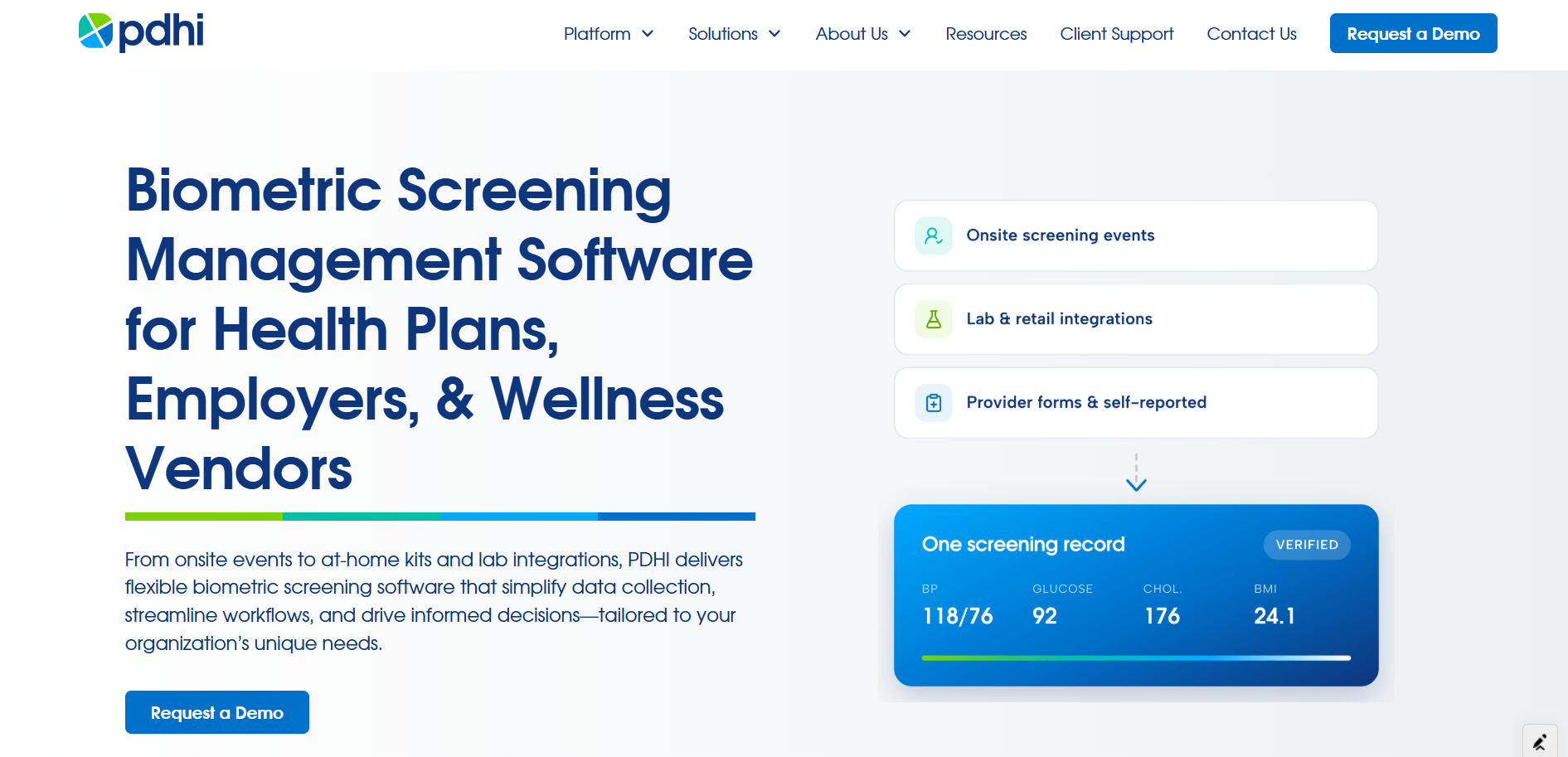
PDHI's Biometrics Manager helps with onsite screening events, provider form submissions, and lab integrations.
It brings all biometric data together in one HIPAA-compliant system, offering real-time eligibility checks, automated results, and customizable reports.
Assessment data links directly to PDHI's larger wellness platform. This connection starts health assessment outreach, highlights care gaps, and supports incentive programs.
As a result, biometric screening results serve as the beginning of deeper member engagement, not the end.
Final Thoughts
Manual biometric screening management is not just inefficient; it is a liability for any organization managing health data at scale.
Biometric screening software helps reduce errors, speed up results, and cut down on paperwork compared to manual methods.
It uses one simple workflow to collect accurate data and links screening results directly to wellness programs.
Ready to see how PDHI's biometric screening software simplifies your screening program?
Request a demo and see the full platform in action.
Frequently Asked Questions
1. What is biometric screening software?
Biometric screening software is a digital tool that handles every step of a screening program.
It helps with scheduling, checking eligibility, collecting data, delivering results, and creating reports.
The best platforms support multiple collection methods and integrate biometric data directly with broader wellness program workflows.
2. What is the difference between biometric screening software and manual screening management?
Manual screening management relies on disconnected tools, spreadsheets, paper forms, and manual data entry that introduce errors, delays, and administrative burden.
Biometric screening software automates the full workflow, validates data in real time, and delivers results and reporting through a single integrated system.
3. What collection methods does biometric screening software support?
Top biometric screening platforms offer onsite events, accept forms from primary care doctors, and connect with labs.
This helps organizations reach people whether or not they can attend in-person screenings.
4. How does biometric screening software connect to wellness programs?
The most effective biometric screening platforms connect with health assessments, incentive programs, and health coaching tools.
This way, screening results can automatically prompt follow-up outreach, care gap alerts, and personalized wellness recommendations instead of being left unused in a database.