Best Employee Survey Tools for Measuring Workplace Wellbeing (2026)
October 22, 2026

Not all employee survey tools measure workplace wellbeing in the same way.
In 2026, options include SurveyMonkey, Typeform, Microsoft Forms, Google Forms, Culture Amp, Qualtrics, and Officevibe. Each is evaluated for anonymity, reporting depth, pulse frequency, and wellness-focused templates.
These tools show how employees feel, while NCQA-certified health assessments reveal how employees actually are.
Here is a comparison and why the most thorough programs use both approaches.
Best Employee Survey Tools for Measuring Workplace Wellbeing in 2026
Each tool below was evaluated on four criteria that matter most for workplace wellbeing measurement:
Here is what each tool does well and where it falls short for workplace wellbeing measurement specifically.
1. SurveyMonkey
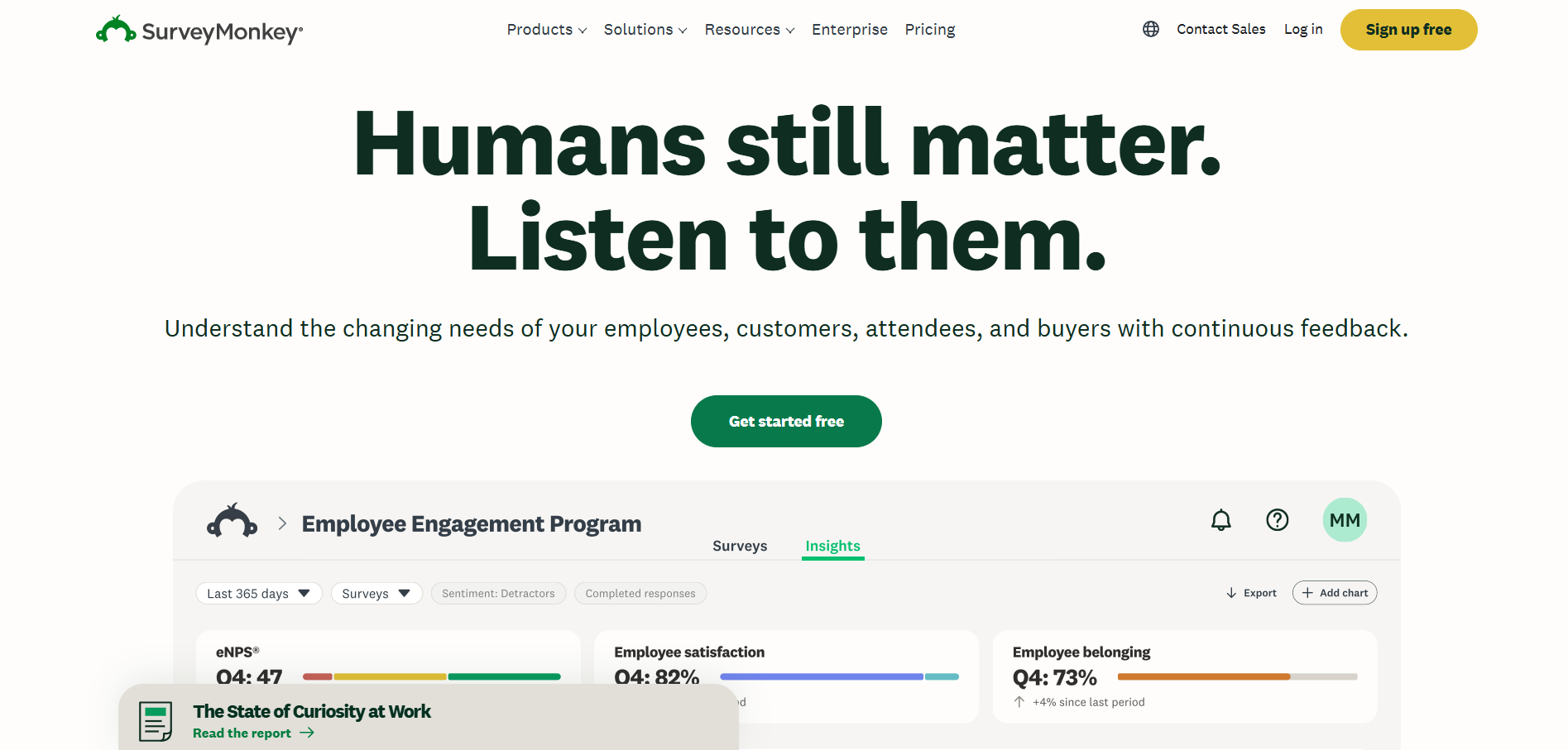
SurveyMonkey is one of the most widely used survey platforms in the world.
Its flexibility makes it a good starting point for organizations running their first workplace wellbeing survey.
The platform includes wellness-related templates, anonymous response options, and basic reporting dashboards.
However, its reporting features are limited if you need detailed, population-level wellbeing insights rather than simple response summaries.
SurveyMonkey works best for small employers that want to run occasional wellbeing check-ins and don't have a dedicated HR analytics team.
2. Typeform
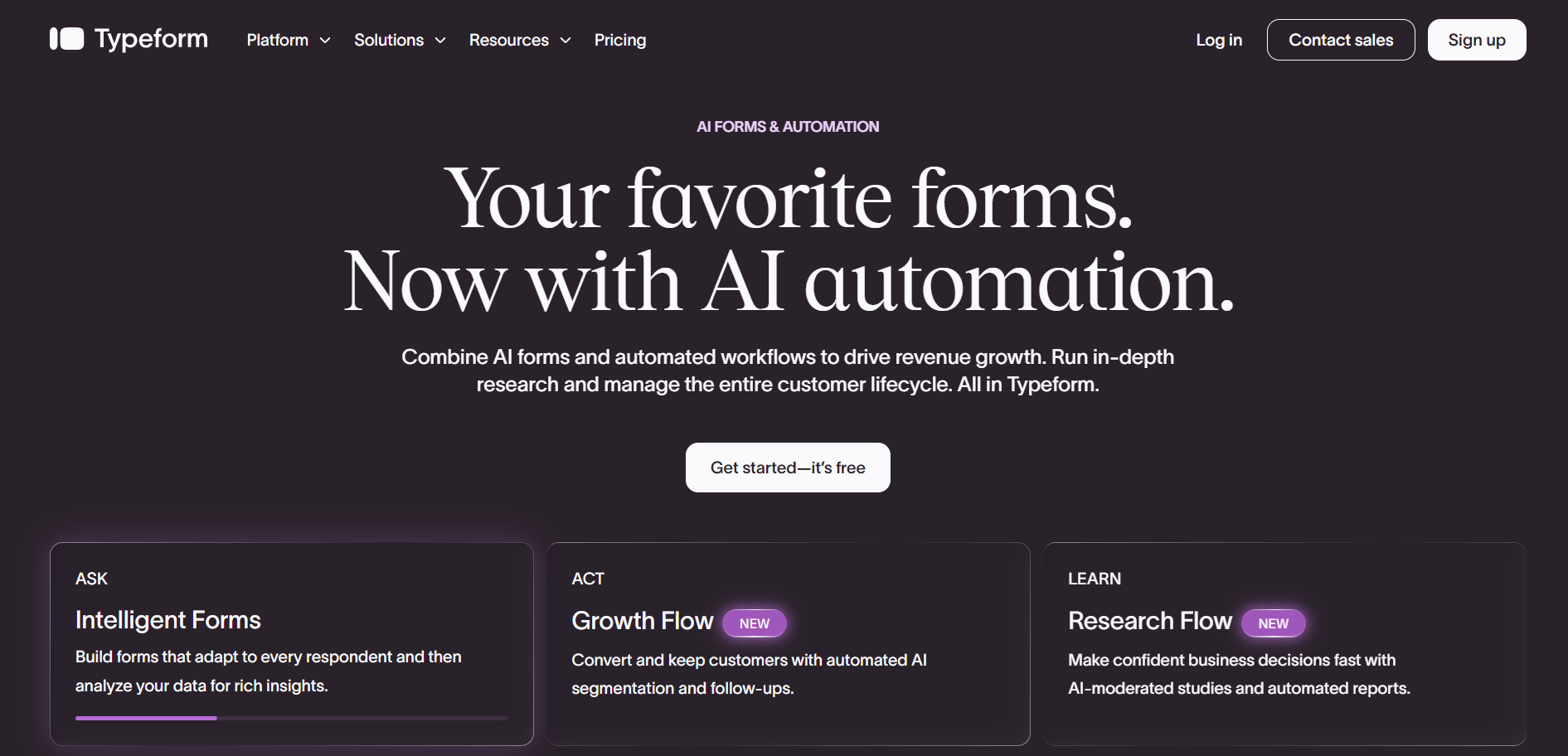
Typeform uses a conversational survey format that asks one question at a time, which usually leads to higher completion rates than traditional surveys.
This approach helps reduce drop-off in wellbeing surveys, where getting employees to participate can be difficult.
However, Typeform offers fewer wellness-specific templates than tools designed just for wellbeing, and its reporting features need to be connected to other analytics platforms to get useful insights about groups.
3. Microsoft Forms
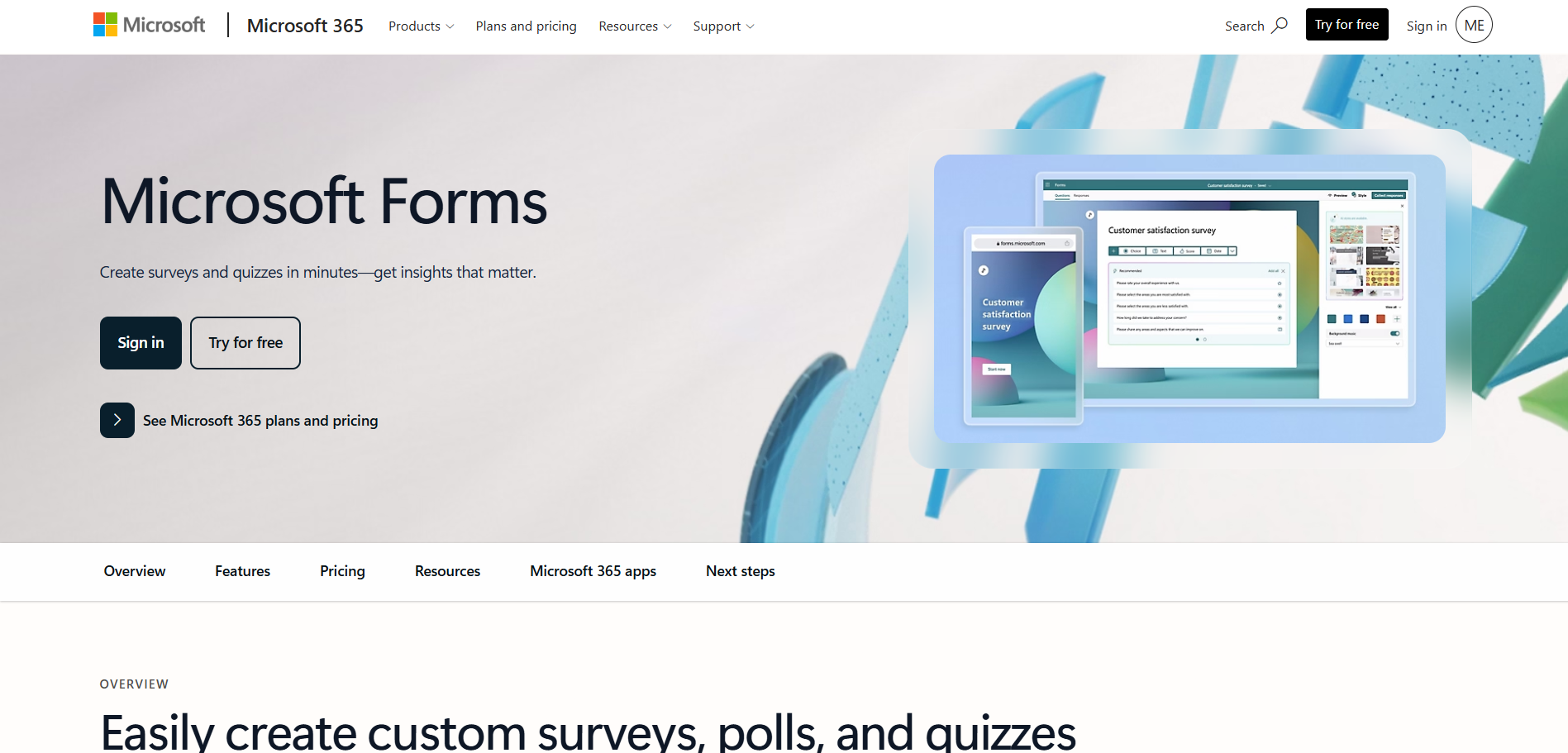
If your organization already uses Microsoft 365, Forms is the easiest way to set up a wellbeing survey.
You do not need any new tools, logins, or extra costs. You can adjust the anonymity settings, and responses go straight into Excel for analysis.
Microsoft Forms is mainly for collecting data, not for in-depth wellbeing analytics.
If you need trend analysis, benchmarking, or detailed wellness reports, you may find it too limited.
4. Google Forms
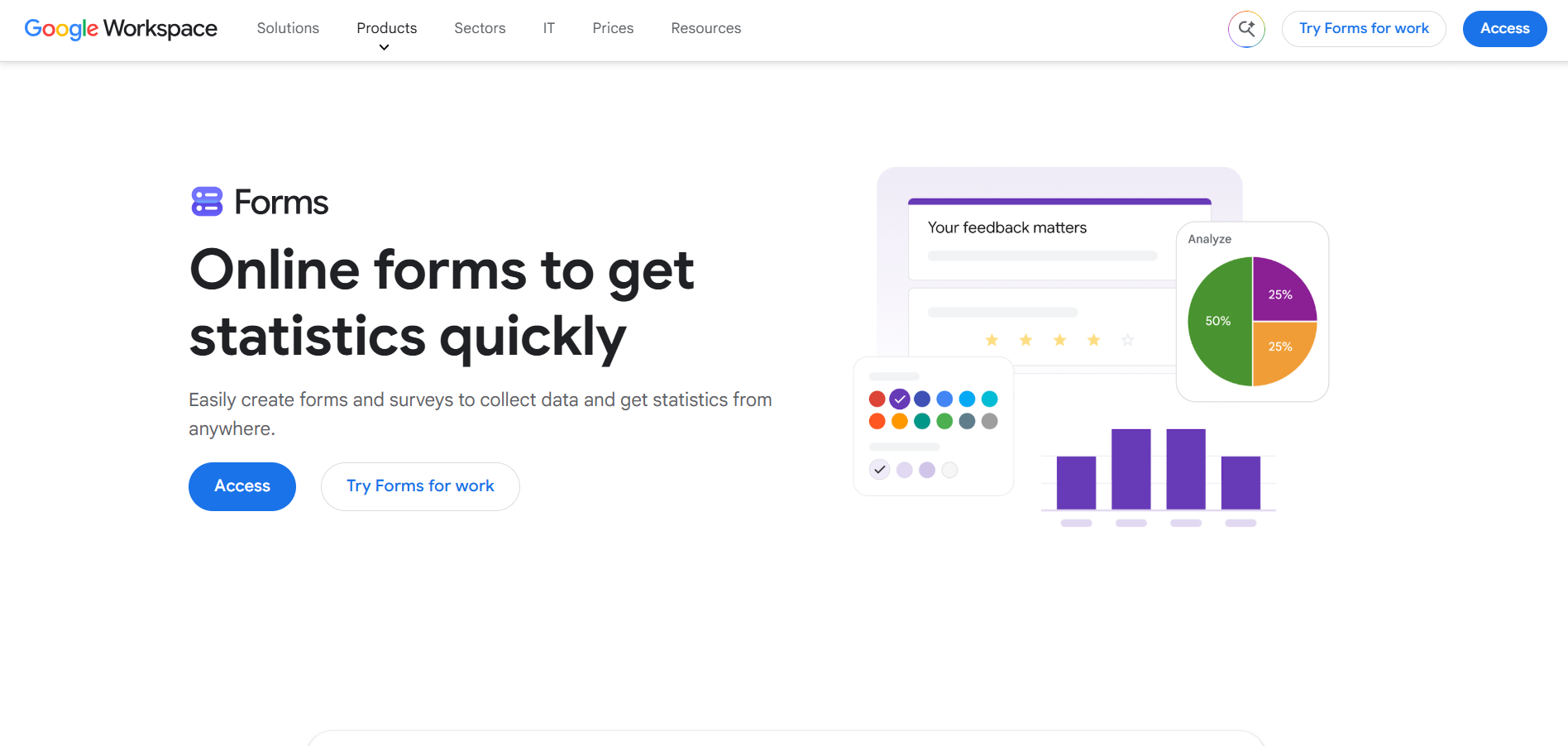
Google Forms is the easiest survey tool to use on this list. It’s free, simple to set up, and most employees already know how it works.
If your organization needs a basic, low-cost way to check in on wellbeing with some anonymity, it’s a solid choice.
Like Microsoft Forms, it collects data but doesn’t measure wellbeing directly. You’ll need to do any analysis in Google Sheets.
This tool works best for small teams or organizations that are just starting to track workplace wellbeing.
5. Culture Amp
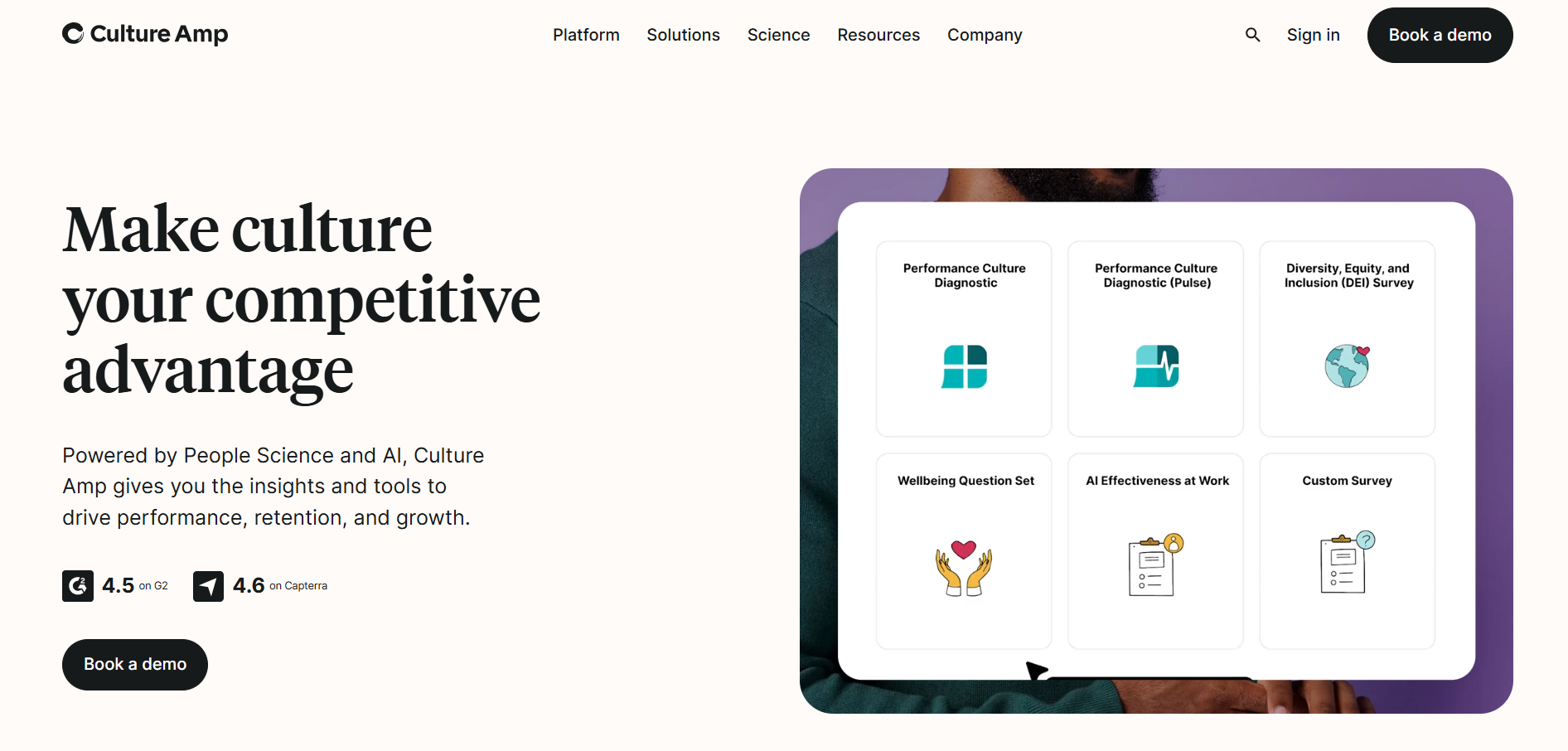
Culture Amp is designed specifically to measure employee experience, and its wellbeing survey templates are based on organizational psychology research.
The platform’s benchmarking database lets organizations compare their wellbeing scores with others in their industry.
Its reporting dashboards also highlight key drivers behind the results, offering insights that generic survey tools often miss.
For mid-sized and large employers that want to understand both how employees feel and why, Culture Amp stands out as a top choice.
6. Qualtrics XM
Qualtrics XM stands out as the most analytically powerful survey tool on this list.
It offers advanced text analytics, predictive modeling, and connects with HRIS and benefits systems.
For large enterprises with a people analytics team, Qualtrics can turn wellbeing survey data into a valuable workforce intelligence asset.
Its complexity and cost make it less practical for mid-size organizations that do not have dedicated analytics resources.
For enterprises managing wellbeing on a large scale, though, it remains the most capable option.
7. Officevibe
Officevibe(now Workleap) is designed for ongoing employee feedback, sending out automated weekly pulse surveys to track wellbeing, engagement, and satisfaction over time.
It offers strong anonymity controls, useful reports for managers, and a question library that covers areas often missed by annual surveys.
For organizations looking to shift from occasional measurement to a continuous wellbeing program, Officevibe is the best-suited tool on this list.
Why Survey Tools Alone are not Enough for Measuring Workplace Wellbeing
Every tool on this list measures how employees say they feel, and a well-designed workplace wellness survey is a valuable starting point.
But self-reported data has a fundamental limitation: it only captures what employees are willing and able to articulate in the moment.
The most complete picture of workplace wellbeing combines survey data with clinically validated health assessment data.
It connects what employees report about their mental, emotional, and physical wellbeing to objective health markers that surveys cannot capture.
How PDHI's Health Assessments Go Beyond Survey Tools
PDHI's Managed Health Assessments are NCQA-certified, meeting clinical standards for wellness and health promotion that general-purpose survey tools cannot match.
Unlike self-reported pulse surveys, these assessments collect validated health risk data across physical, mental, and behavioral health areas.
This gives employers and health plans a clear, evidence-based view of workforce wellbeing, not just sentiment.
With over 28 years of experience, more than 22 million lives covered, and assessment results that connect directly to incentive programs, health coaching, and 55+ self-service dashboards, PDHI helps organizations move from measuring wellbeing to improving it.
Final Thoughts
If your organization needs a quick and easy way to check in on wellbeing, SurveyMonkey, Google Forms, or Microsoft Forms work well.
For ongoing feedback and tracking trends, Officevibe is a top choice. Culture Amp is best for benchmarking with scientific backing. If you need deep analytics at the enterprise level, Qualtrics stands out.
Now, if your organization wants to go beyond what employees say and understand how they truly are, while linking that data to real wellness program actions, NCQA-certified health assessments set the standard that regular survey tools cannot reach.
Request a demo to see how PDHI's health assessment platform can help you measure workforce well-being on a large scale.