Best Fitness Trackers for Employee Wellness Programs (2026)
September 16, 2026

A fitness tracker only improves wellness program outcomes if employees actually wear it.
That sounds obvious, but it is the detail most wellness program administrators overlook when selecting wearables.
The most feature-rich device in the world delivers zero value if it sits in a desk drawer.
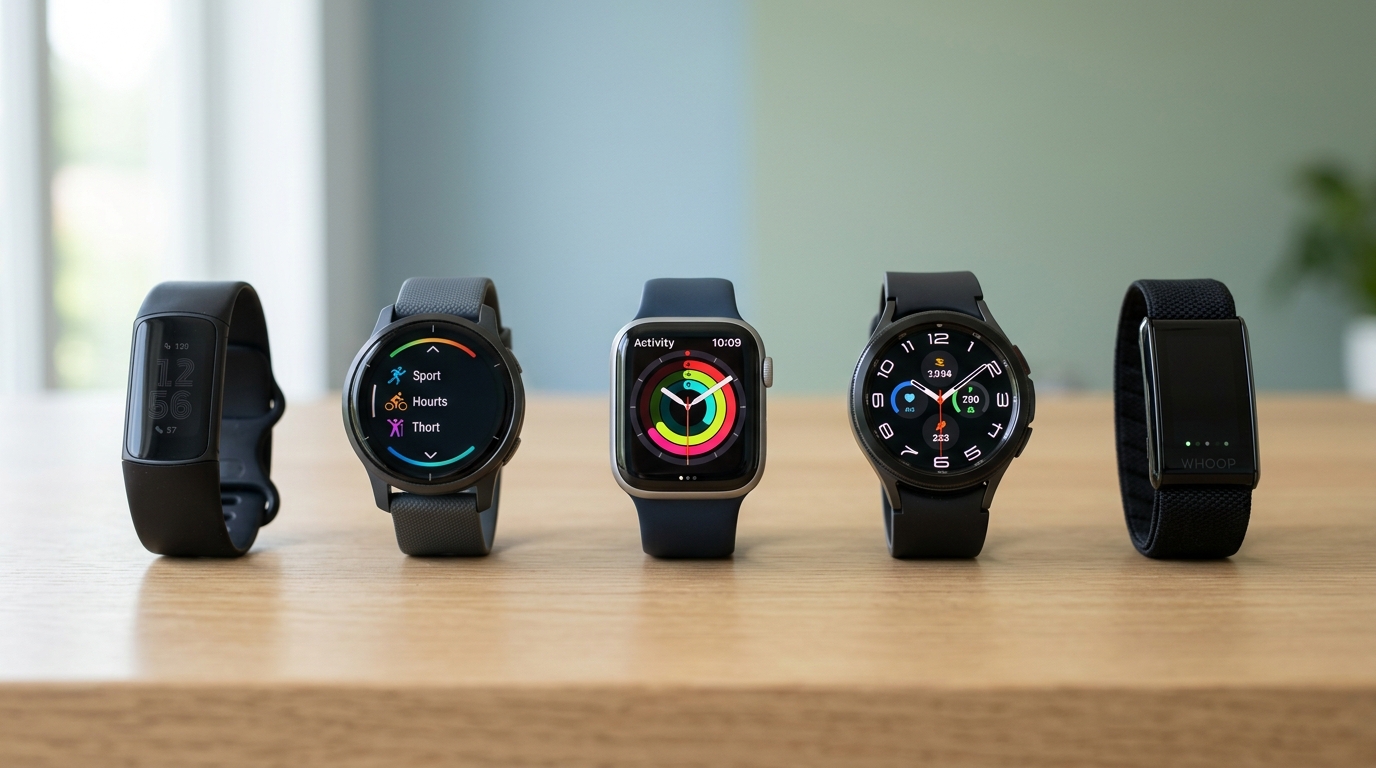
This guide evaluates five of the most commonly used fitness trackers for employee wellness programs from the employee's perspective.
What Drives Employee Adoption of Fitness Trackers
Wellness program administrators often select fitness trackers based on features and platform compatibility, both important considerations.
But sustained employee adoption depends on a different set of factors entirely:
1. Fitbit
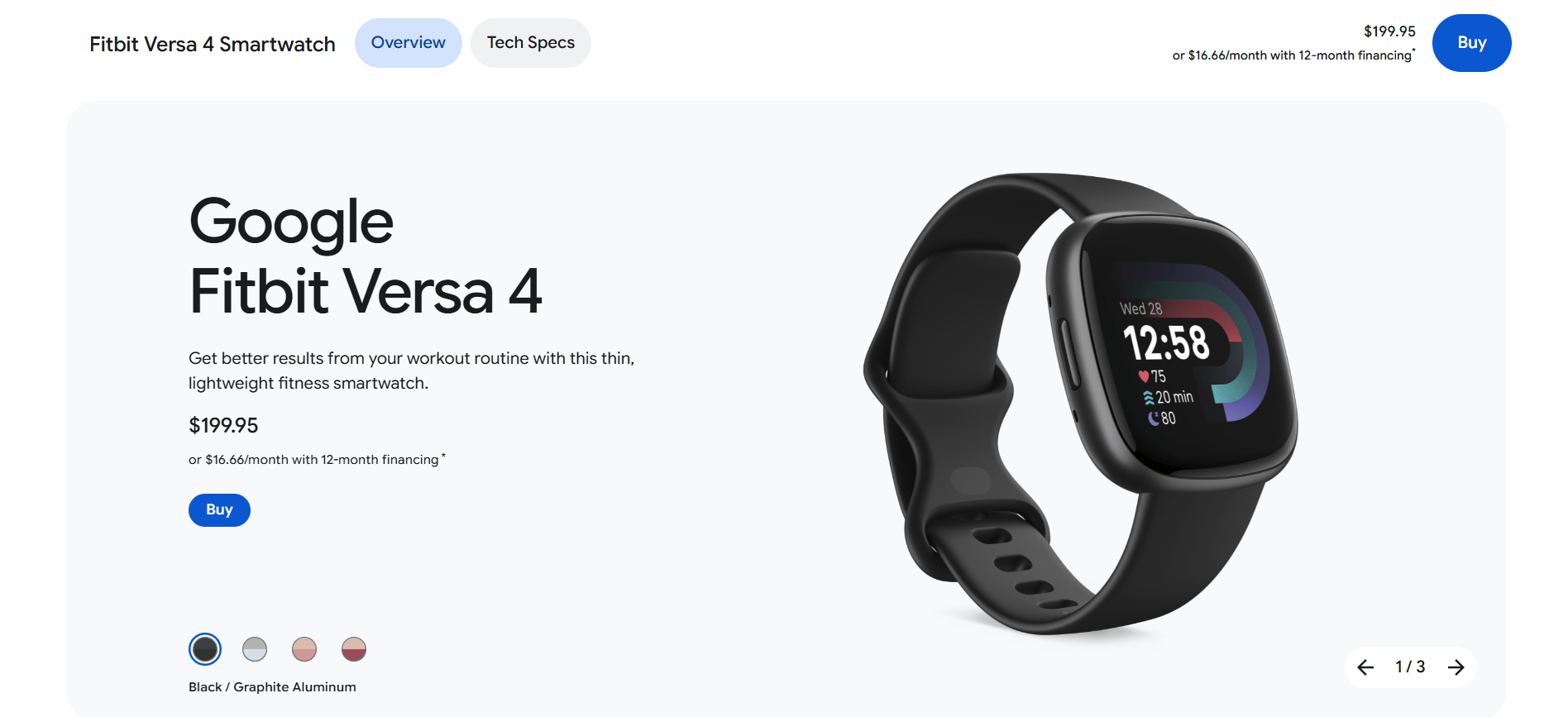
The most approachable fitness tracker for employee wellness programs; simple, comfortable, and long-lasting enough for consistent daily wear.
Step Tracking and HR Monitoring
Fitbit tracks steps, active minutes, and floors climbed with consistent accuracy across its device range.
Versa and Inspire models track heart rate continuously, so wellness programs can see resting heart rate trends, active zone minutes, and cardiovascular health data without needing a premium device.
API and Integration Capabilities
Fitbit's developer API is one of the most widely adopted device integrations in the corporate wellness market.
It connects directly to PDHI's Device Integrations module alongside Apple Health, Google Fit, and Garmin, allowing administrators to aggregate participation data across mixed-device populations.
Note: Following Google's acquisition of Fitbit, wellness administrators should confirm current API integration support with their platform provider.
Battery Life, Price and Data Privacy
Fitbit devices deliver 4 to 6 days of battery life, one of the strongest in this comparison.
Fitbit Inspire starts at approximately $100, making it the most accessible option on this list.
Health data is stored on Google's infrastructure; employees should review privacy settings before participating in wearable-integrated wellness programs.
2. Garmin
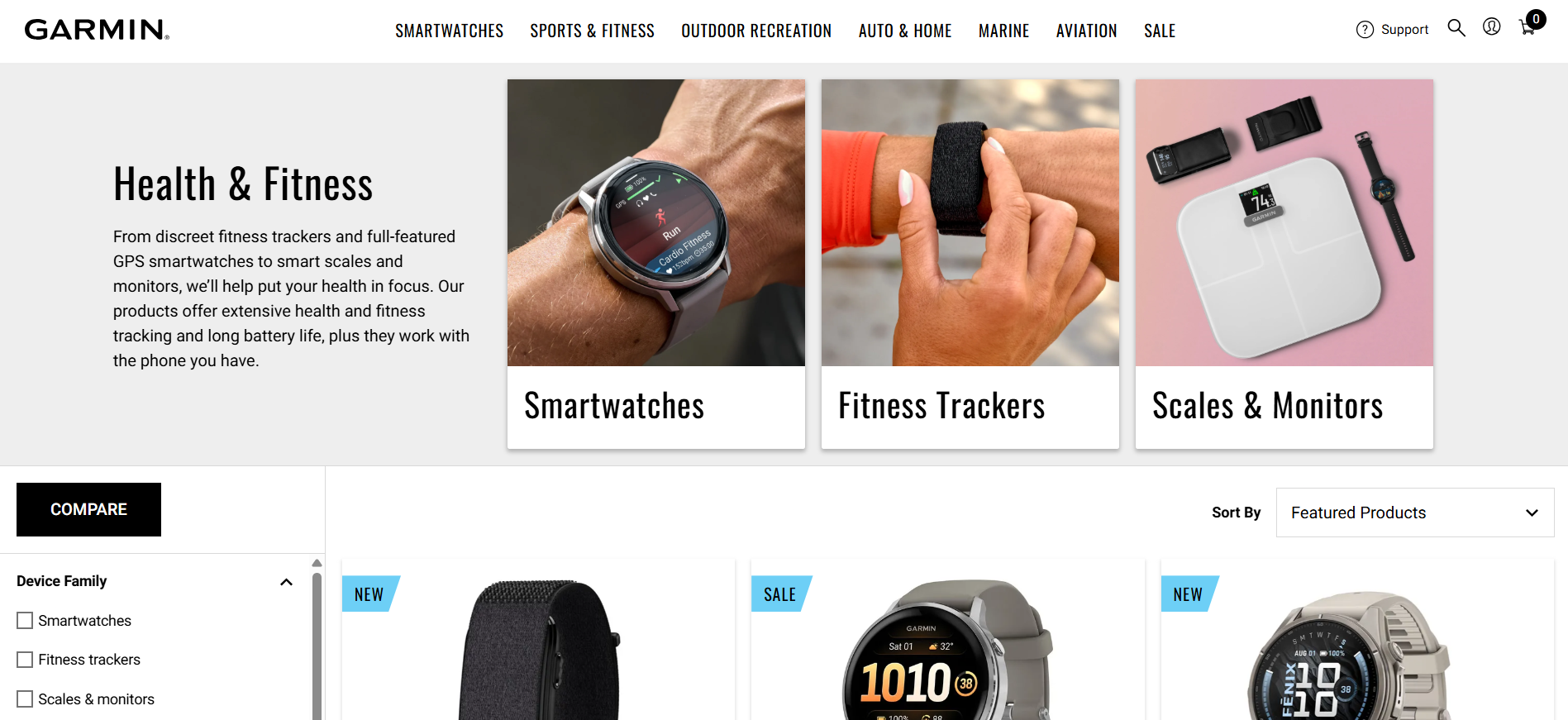
The most accurate fitness tracker for step counting and activity data, built for employees who take their health seriously and want precise, trustworthy numbers.
Step Tracking and HR Monitoring
Garmin is widely regarded as the gold standard for step tracking and GPS-based activity accuracy, a meaningful advantage for competitive step challenges where data integrity matters.
With continuous heart rate monitoring, it tracks resting heart rate, heart rate variability, and stress levels.
This helps employees and program administrators get a clearer view of cardiovascular health compared to most other options.
API and Integration Capabilities
Garmin Connect syncs with wellness platforms through the Garmin Health API, an enterprise-grade integration layer designed specifically for corporate wellness and health programs.
For wellness vendors and health plans looking for reliable, high-accuracy activity data at the population level, Garmin's enterprise API is one of the strongest available.
Battery Life, Price and Data Privacy
Garmin leads the category on battery life, delivering 5 to 7 days per charge in smartwatch mode, with up to 20 days in battery-saver mode.
Garmin Venu models range from approximately $250 to $450.
Garmin keeps health data on its own servers, separate from big tech companies. This gives employees who worry about sharing their health information an extra layer of privacy.
3. Apple Watch

The most comprehensive health tracking device on this list, with the deepest sensor suite and the strongest ecosystem for employees already using iPhone.
Step Tracking and HR Monitoring
Apple Watch delivers highly accurate step and activity tracking through its accelerometer and gyroscope combination.
This device tracks more than just your resting heart rate. It also offers ECG features, alerts for irregular rhythms, and blood oxygen monitoring on newer models.
These tools give wellness programs access to some of the most useful cardiovascular data you can get from a consumer wearable.
API and Integration Capabilities
Apple Watch syncs through Apple Health, one of the most widely supported health data platforms across wellness software.
It connects seamlessly to PDHI's Activity Tracking module, allowing administrators to aggregate iPhone user data alongside other device sources without manual data entry from participants.
Battery Life, Price and Data Privacy
Apple Watch requires daily charging; most models deliver 18 to 36 hours of typical use, a consistent friction point for programs tracking overnight sleep.
Apple Watch SE starts at approximately $249.
Apple Health data is stored on-device and in iCloud with end-to-end encryption, the strongest privacy protection on this list.
4. Samsung Galaxy Watch
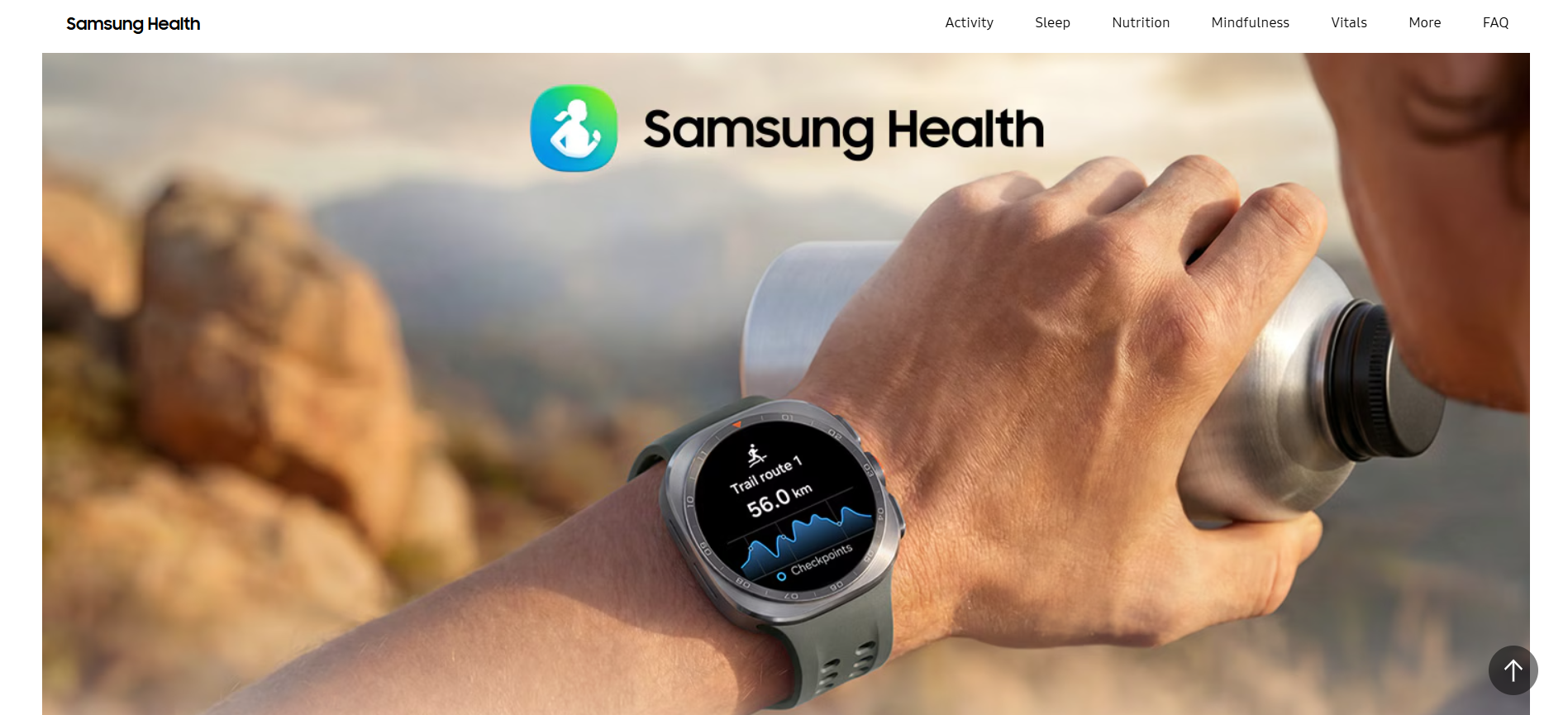
The strongest fitness tracker for Android-native workforces, with broad health sensor coverage and a comfortable, everyday wearable design.
Step Tracking and HR Monitoring
Samsung Galaxy Watch tracks steps, active minutes, and workout sessions with solid accuracy across its device range.
It tracks your heart rate all the time, including your resting heart rate and workout zones. Some models also monitor blood pressure.
The device can estimate your skeletal muscle mass, body fat percentage, and BMI, which helps if you want to improve your health and fitness.
API and Integration Capabilities
Samsung Galaxy Watch syncs through Samsung Health and Google Health Connect, both supported by major wellness platforms.
Samsung's Google Health Connect integration helps companies with both Android and iOS users connect their wellness platforms to Android health data sources in a reliable way.
Battery Life, Price and Data Privacy
Samsung Galaxy Watch delivers 2 to 4 days of battery life, workable for most programs but requiring more frequent charging than Fitbit or Garmin.
Samsung Galaxy Watch ranges from approximately $200 to $300.
Samsung Health data syncs to Google Health Connect; employees should review data sharing settings before participating in wearable-integrated wellness programs.
5. Whoop
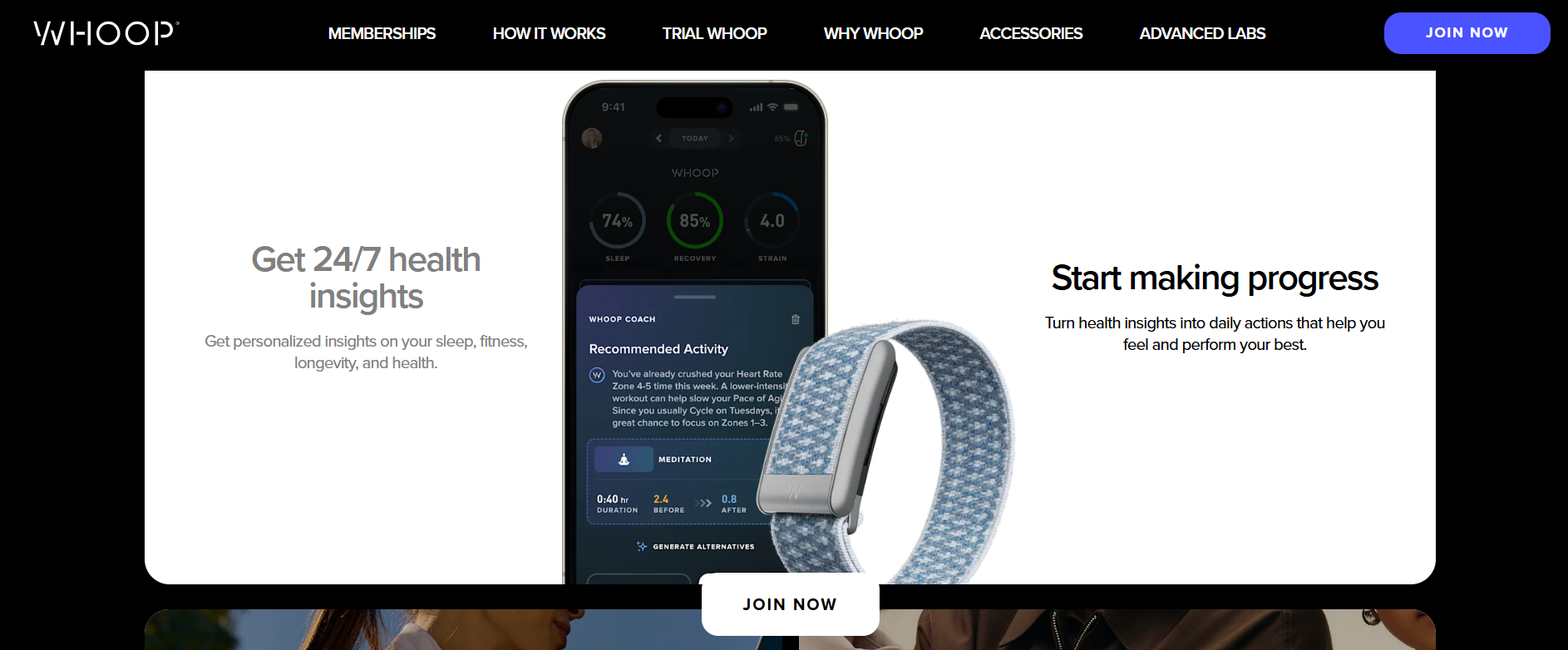
The most advanced recovery and readiness tracker on this list, built for employees who want deep health insights and are willing to engage seriously with their wellness data.
Step Tracking and HR Monitoring
Whoop does not focus on step counting; it is designed around strain, recovery, and readiness rather than activity logging.
The device monitors heart rate, heart rate variability, resting heart rate, respiratory rate, and blood oxygen around the clock.
This gives employees a clear, recovery-focused view of their health that step-based trackers cannot offer.
API and Integration Capabilities
Whoop supports API integration for wellness platform reporting, allowing employers to pull strain, recovery, and sleep data into population-level dashboards.
Its enterprise API is designed for organizations that want to track workforce readiness and recovery trends rather than step counts alone.
Battery Life, Price and Data Privacy
Whoop charges while being worn through a slide-on battery pack, eliminating charging gaps entirely and ensuring continuous data capture.
Whoop operates on a subscription model at approximately $239 per year with the device included.
Whoop does not sell health data to third parties, one of the strongest privacy commitments on this list.
How PDHI Connects Fitness Tracker Data to Wellness Program Outcomes
Selecting the right fitness tracker is only half the equation. The other important part is making sure the data from these devices goes into your wellness program.
This helps boost participation in challenges, supports incentive tracking, and improves overall reporting.
PDHI's Device Integrations module connects data from Fitbit, Garmin, Apple Health, Google Fit, and other major health data sources into a single wellness platform, so participation data from across a mixed-device workforce feeds directly into Challenges + Events, incentive programs, and population health reporting.
For health plans and employers managing large, diverse populations, this device-agnostic infrastructure is what makes wearable-integrated wellness programs scalable and inclusive.
Conclusion
The best fitness tracker for your employee wellness program is not the one with the most features.
It is the one your employees will keep wearing every day, even after the excitement fades.
Fitbit is the easiest for first-time wearable users. Garmin stands out for battery life and accurate data, which is great for active employees.
Apple Watch offers the most detailed health data for those with iPhones.
Samsung Galaxy Watch is the best option for teams using Android phones. Whoop is ideal for employees who want to track their health closely and get continuous data.
Ready to see how PDHI connects fitness tracker data to your wellness program outcomes?
Request a demo and explore the full platform.
Frequently Asked Questions
These are the questions wellness program administrators ask most often when choosing fitness trackers for their programs.
1. Which fitness tracker is best for employee wellness programs?
For most employee wellness programs, Fitbit is a great place to start. It works with many devices, is affordable, and is easy for first-time users.
If your employees are active and need accurate data, Garmin is a better fit. For programs focused on deeper health engagement, Whoop is the top choice.
2. How long should a fitness tracker battery last for a wellness program?
If your wellness program tracks data like sleep and heart rate all day, look for a tracker with at least 4 days of battery life.
This helps avoid losing data when devices need charging. Garmin lasts 5 to 7 days, while Fitbit offers 4 to 6 days.
The Apple Watch needs to be charged every day, which can be a problem if you want to track sleep overnight.
3. Does Whoop work for corporate wellness programs?
Yes. Whoop offers continuous monitoring and uses a subscription model, making it a good choice for employers who want to provide a premium wellness benefit.
Its on-wrist charging helps prevent data gaps, and its recovery and readiness scores give employees useful daily health feedback.
Whoop also connects with wellness platforms for group reporting.
4. How does employee health data from fitness trackers stay private?
Data privacy depends on the device. Apple Watch has strong privacy features, using on-device storage and end-to-end encryption. Garmin keeps data separate from big tech companies.
Whoop does not sell data to third parties. Fitbit and Samsung Health store data on Google and Samsung servers.
Employees should check their privacy settings, and wellness administrators should confirm how data is handled with their platform provider.