Best Tools for Promoting Employee Wellness Programs (2026)
September 16, 2026
Most wellness programs do not fail because of poor design.
They fail because not enough employees know they exist, or because the initial awareness spike fades after the launch email and nothing sustains momentum throughout the program year.
Promoting an employee wellness program is not a one-time campaign.
It is an ongoing communication strategy that requires the right tools at every stage, from building initial awareness to driving enrollment to keeping employees engaged long after the launch.
Why Wellness Program Promotion Requires a Multi-Channel Strategy
A single communication channel will always miss a significant portion of your workforce.
- Remote employees do not hear hallway conversations.
- Deskless workers do not check email.
- Older employees might not use Slack.
- Younger employees might ignore printed posters.
The organizations with the highest wellness program participation rates build a layered communication strategy that reaches employees where they already are, in the format they are most likely to engage with.
Stage 1: Building Awareness
Before employees can join a wellness program, they need to know it exists and understand why it matters to them.
Canva
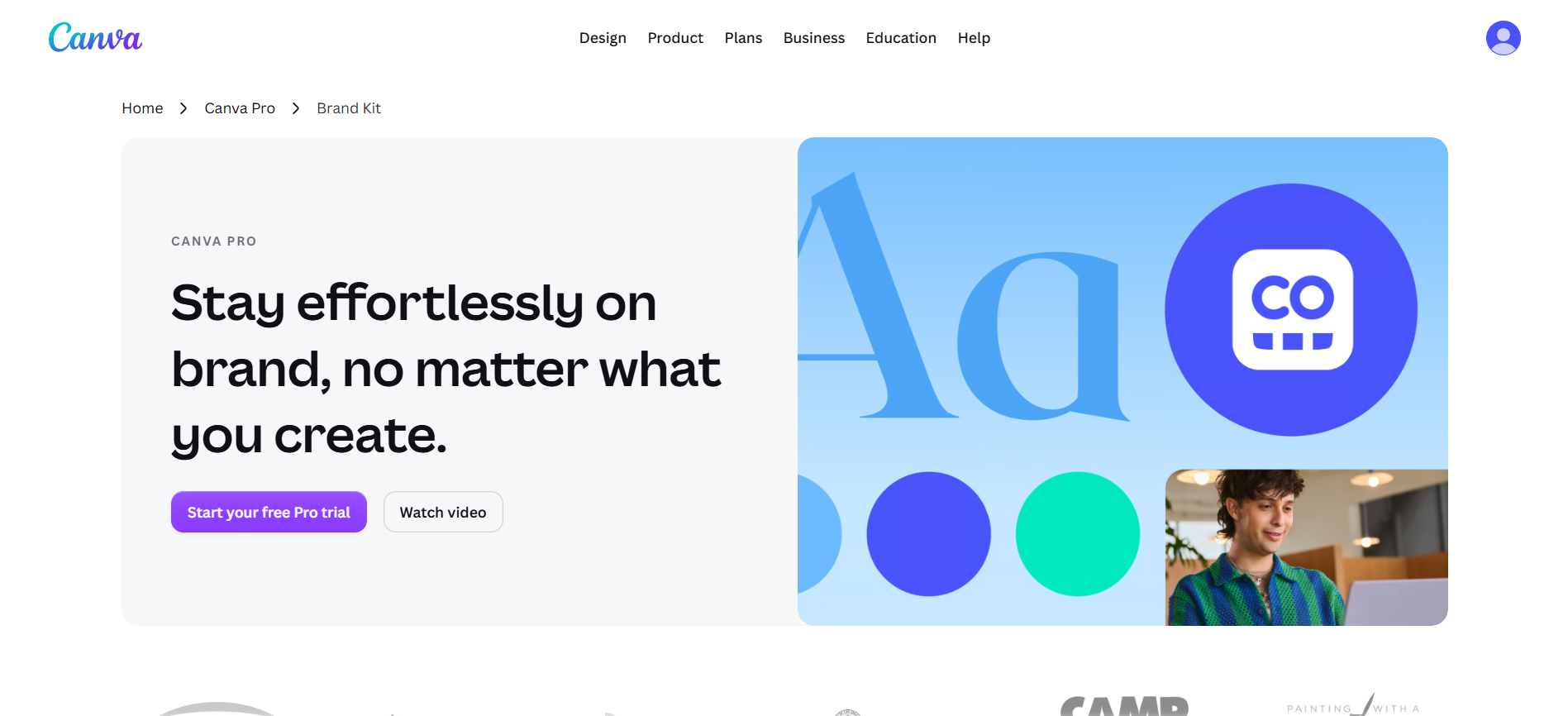
Canva is an easy-to-use design tool for HR and wellness teams who want to create professional promotional materials without needing a design department.
You can quickly make posters, digital flyers, email headers, and presentation slides using Canva's template library.
The Brand Kit feature helps you keep your branding consistent by storing your logos, colors, and fonts for use across all your wellness communications.
Digital Signage Software
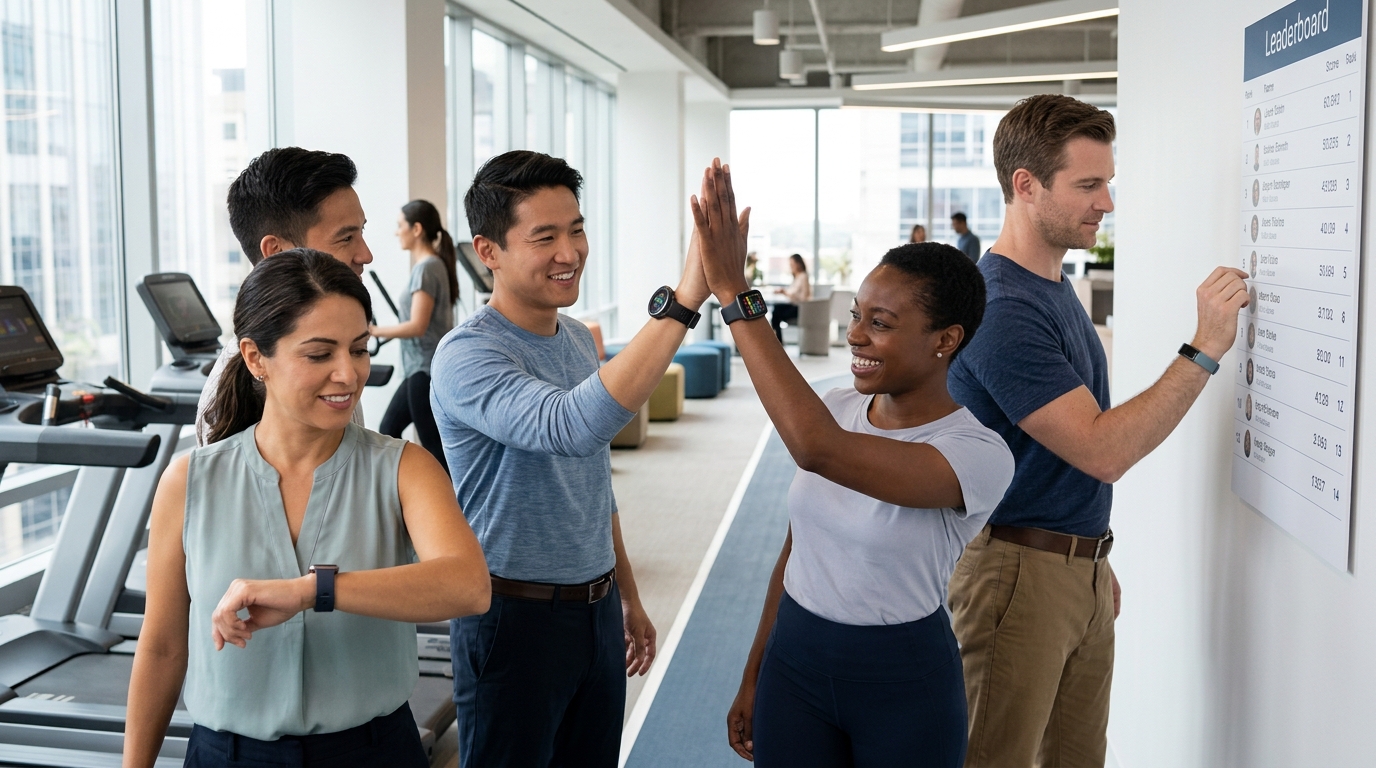
Digital signage platforms like Screenly, Rise Vision, and ScreenCloud display wellness program updates, challenge leaderboards, and enrollment deadlines on screens in places like lobbies, break rooms, and other common areas around the workplace.
For companies with deskless or manufacturing teams, digital signage is one of the few ways to reach employees who are not often at a computer.
QR Code Generators
A well-placed QR code on a poster, badge, or desk card can take an employee straight to a wellness program enrollment page, a challenge sign-up, or a health assessment.
This removes any barriers to getting started.
Tools like QR Code Generator, Canva's QR tool, and Bitly's QR feature create trackable codes, so wellness administrators can see which physical placements bring in the most traffic.
Stage 2: Driving Enrollment
First, awareness helps spark interest. Enrollment then turns that interest into action.
Slack
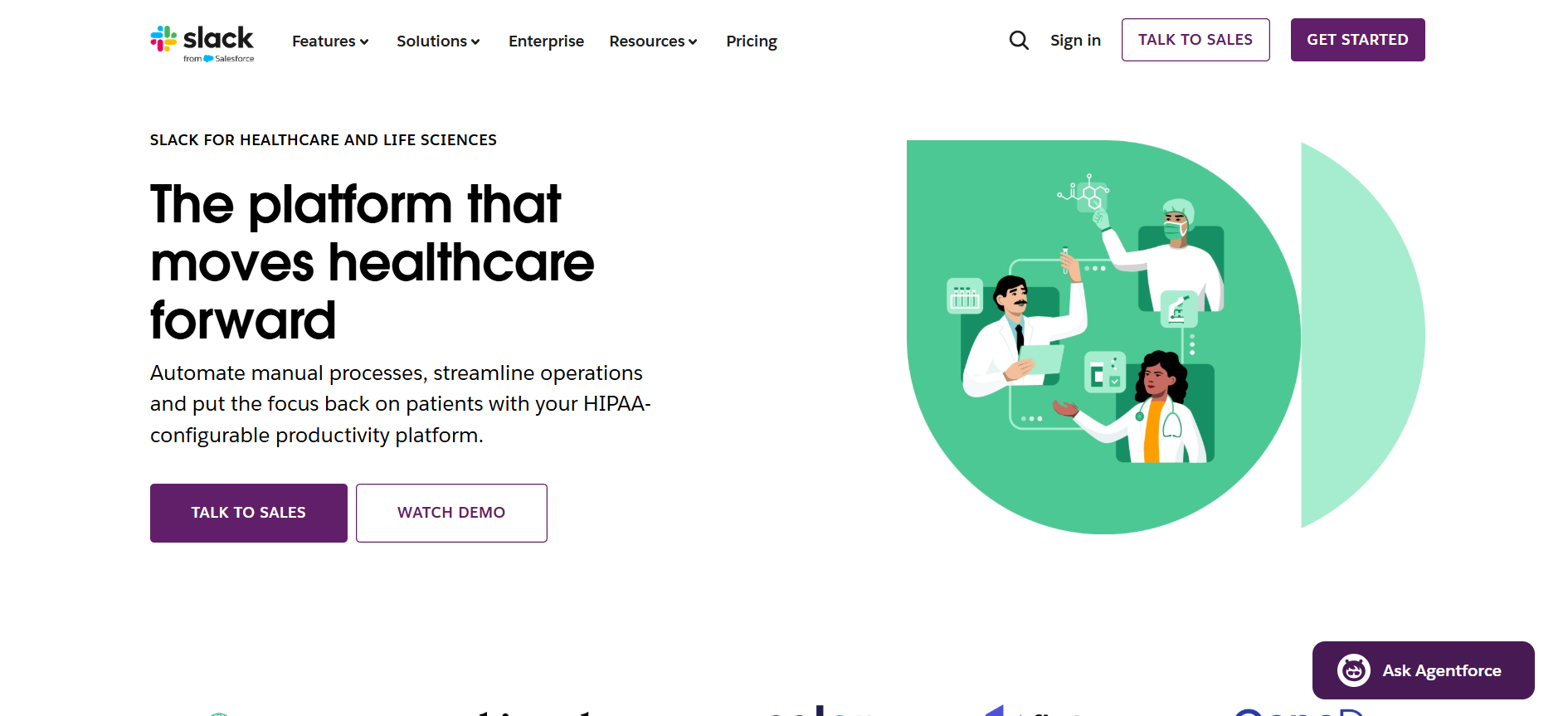
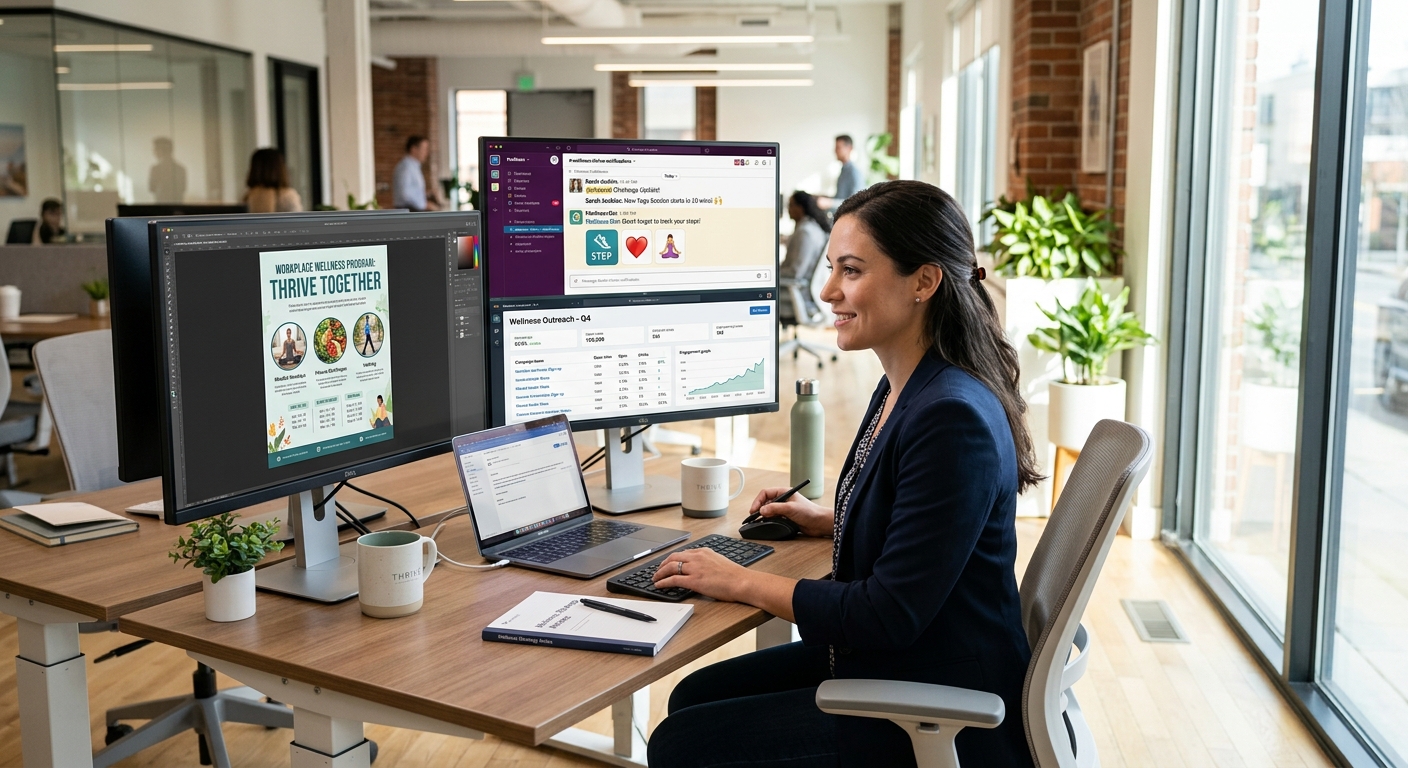
If your organization uses Slack, try creating a wellness channel where you can share regular updates, such as challenge reminders, milestone announcements, and participation tips. This can help encourage more people to join.
Slack also makes it easy for wellness platforms to send notifications and participation updates straight to employees, so they do not need to log in anywhere else.
Microsoft Teams

In Microsoft 365 environments, Teams channels, adaptive cards, and Power Automate workflows send wellness program announcements and challenge invitations right into the tool employees use every day.
Wellness platforms with a Teams app or webhook integration can automatically share participation data and milestone alerts in employee feeds.
This helps HR and wellness teams by cutting down on manual communication.
Email Marketing Platforms
Email is still one of the most reliable ways to enroll people, especially for those who do not use Slack or Teams.
Tools like Mailchimp, HubSpot, and Constant Contact help wellness teams create targeted campaigns, track open and click rates, and set up automatic follow-ups for employees who have not signed up yet.
The best wellness enrollment emails are short, specific, and focused on action, with one clear call to action that takes readers straight to the enrollment page.
Stage 3: Sustaining Participation
Most people stop participating in wellness programs a few weeks after they begin, once the excitement wears off and before a daily habit is established.
Internal Newsletter Tools
Internal newsletter platforms like Staffbase, Simpplr, and ContactMonkey send regular program updates, challenge leaderboards, and member spotlights straight to employee inboxes.
This keeps the program visible and employees informed, without needing them to log into a portal.
Wellness vendors who run programs for multiple employer clients can use multi-tenant sending tools to send separate, branded newsletters to each client’s group from a single platform.
Calendar Integrations
When you send Google Calendar or Outlook invites for biometric screenings, wellness challenge milestones, and program deadlines, you put these activities right where employees already manage their schedules.
This makes participation feel like a real commitment instead of just an option.
Wellness platforms that connect with Google Calendar and Microsoft Outlook can handle this automatically, so HR teams do not have to send invites by hand.
Push Notifications
Wellness programs that use mobile apps often send push notifications, such as goal reminders, challenge updates, streak alerts, and incentive messages.
These notifications help users remember the program even when they are not logged in. Employees do not have to check in on their own.
Over time, push notifications are more effective than email at keeping people engaged after they first sign up.
How PDHI Supports Wellness Program Promotion at Scale
PDHI's multi-channel outreach supports digital, SMS, and paper-based communication, reaching every member regardless of digital access.
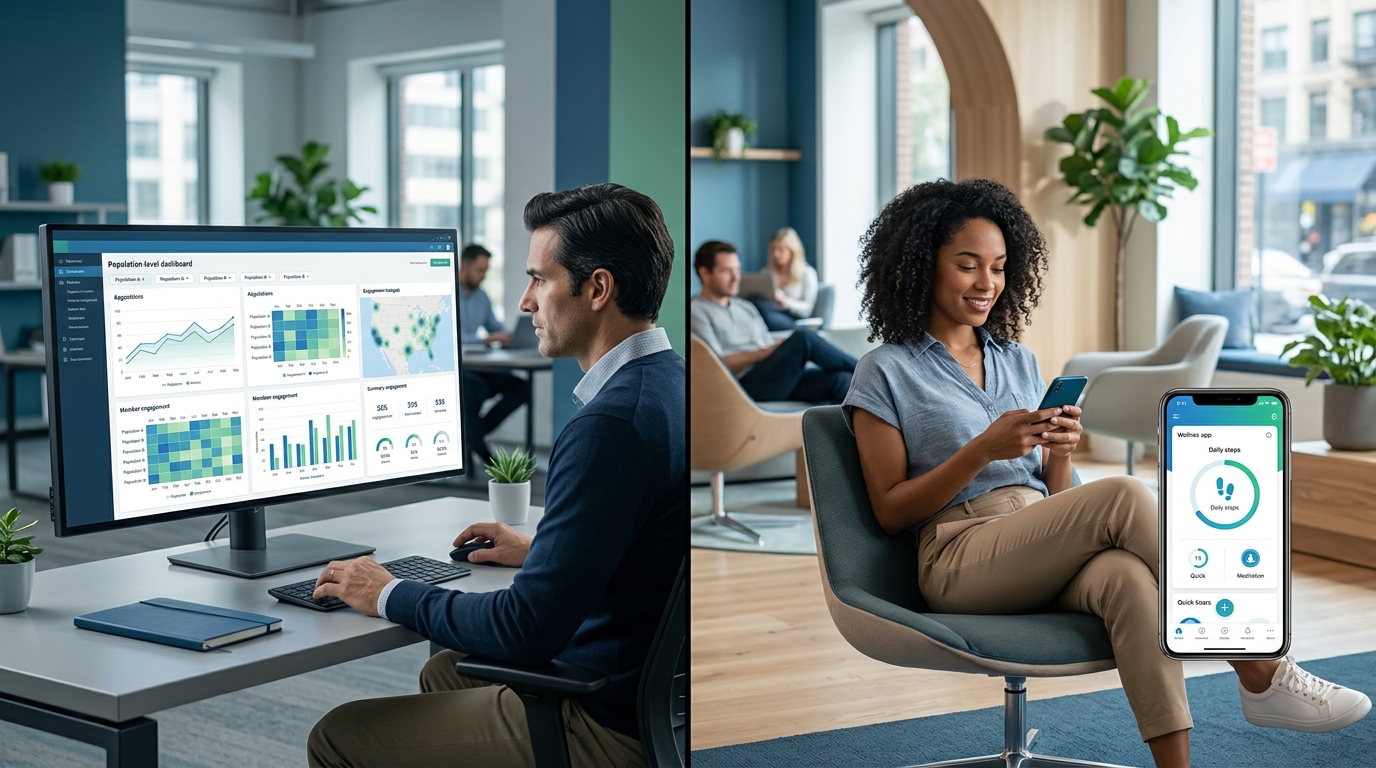
Its Challenges + Events module drives program-level engagement, while the wellness dashboard gives administrators real-time visibility into participation trends.
For health plans, employers, and wellness service providers, PDHI provides the infrastructure to promote wellness programs at scale, not just launch them.
Conclusion
The most effective way to promote a wellness program is not by using the most tools, but by choosing the right ones for each stage, audience, and channel.
Start by building awareness with Canva, digital signs, and QR codes. Use Slack, Teams, and targeted emails to encourage people to enroll.
Keep participation high with internal newsletters, calendar reminders, and push notifications. Make sure everything connects to a wellness platform so you can track what works.
Ready to see how PDHI supports wellness program promotion across every channel?
Request a demo and explore the full platform.
Frequently Asked Questions
These are the questions wellness program administrators ask most often when planning how to promote their employee wellness programs.
1. What is the most effective channel for promoting an employee wellness program?
There is no single most effective channel. For digital-first workforces, Slack and email are the strongest enrollment drivers.
For deskless workforces, digital signage and QR codes reach employees that digital channels miss.
For sustained participation, newsletters and calendar integrations outperform one-time announcements.
2. How do you promote a wellness program to employees who do not use email or Slack?
For employees without reliable digital access, the most effective channels are physical posters with QR codes, digital signage, and direct manager communication.
Wellness platforms that support paper-based outreach and phone communication provide an additional reach layer for populations that digital-only promotion misses.
3. How often should wellness programs be promoted to employees?
One to two touchpoints per week during active program periods, with higher frequency around enrollment deadlines and challenge launches.
Programs that go silent between milestones see significantly higher drop-off rates than those maintaining a steady communication presence throughout the year.
4. How does PDHI support wellness program communication?
PDHI supports multi-channel outreach across digital, SMS, and paper, ensuring promotion reaches every member segment.
Its population-level reporting gives administrators real-time visibility into which channels are driving participation and which groups need additional outreach.